
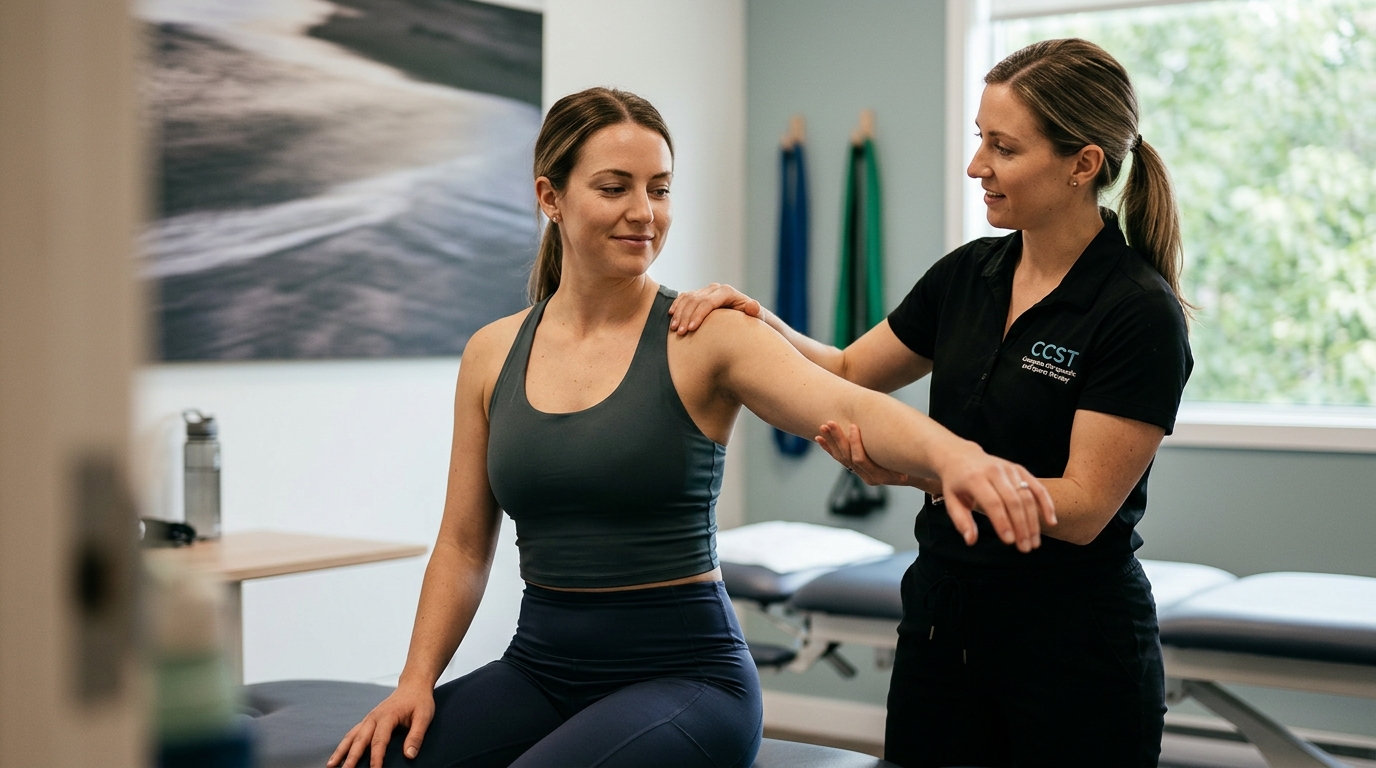
How Physiotherapy Improves Joint Mobility: Techniques and Benefits
Joint stiffness can turn everyday tasks like climbing stairs, reaching overhead, or even getting out of bed into painful challenges. Physiotherapy is one of the most effective, evidence-based approaches for restoring and maintaining healthy joint mobility. Whether you are recovering from a sports injury, managing arthritis, or dealing with age-related stiffness, understanding how physiotherapy works can help you take the right steps toward moving freely again. At Complete Chiropractic and Sports Therapy (CCST) in Calgary NW, our one-on-one physiotherapy sessions are designed to get you results with fewer visits.
What Is Joint Mobility and Why Does It Matter?
Joint mobility is the degree to which a joint can move through its full, intended range of motion without pain or restriction. Healthy joints allow smooth movement and provide the stability needed for everything from walking to athletic performance.
When joints become stiff due to injury, surgery, arthritis, or prolonged inactivity, a cycle of reduced movement, muscle weakness, and further joint degradation often follows. Breaking that cycle early is critical, and that is exactly where physiotherapy comes in.
How Physiotherapy Restores Joint Mobility
Physiotherapy is a healthcare discipline focused on assessing, diagnosing, and treating physical concerns to restore optimal movement and function. Rather than masking symptoms with medication, physiotherapists address the root cause of stiffness and pain through hands-on treatment and targeted exercise.
Pain Modulation
Research published on Physiopedia shows that joint mobilisation triggers the release of endogenous opioids such as beta-endorphin, which helps reduce pain at a neurophysiological level. By lowering pain, patients can participate more actively in their rehabilitation exercises.
Restoring Range of Motion
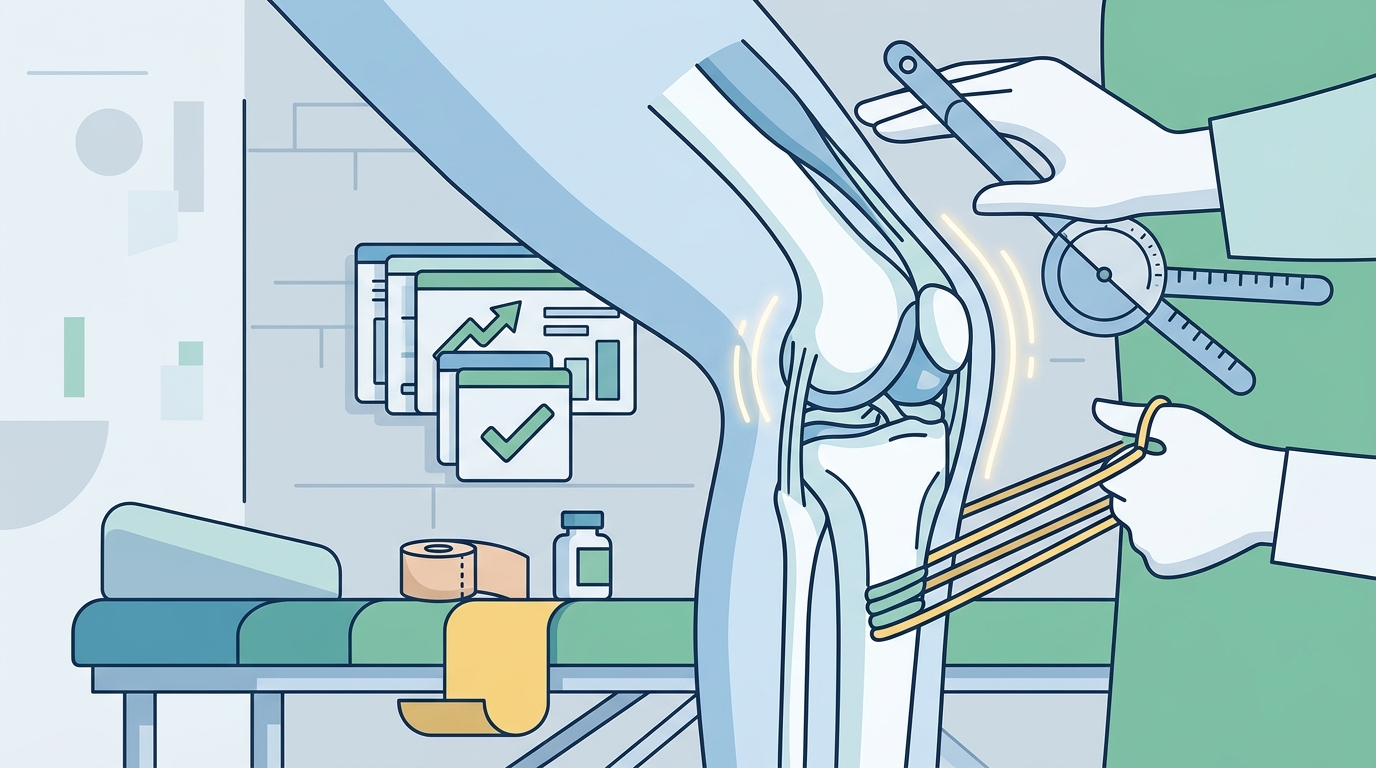
By applying controlled forces to restricted joints, physiotherapists gradually restore normal gliding and rolling mechanics. Over time, restricted movement can lead to adhesions and scar tissue that limit range of motion. Joint mobilisation encourages increased movement and stimulates the production of synovial fluid, leading to better joint lubrication.
Building Supportive Strength
Joints rely heavily on surrounding muscles for support. Weak or imbalanced muscles place extra strain on joints and accelerate wear and tear. Physiotherapy emphasizes strengthening exercises that stabilize joints, offload pressure, and improve overall biomechanics.
Key Physiotherapy Techniques for Joint Mobility
Physiotherapists use several evidence-based methods. Here is a comparison of the most common techniques used for improving joint mobility:
| Technique | How It Works | Best For |
|---|---|---|
| Joint Mobilisation | Skilled passive movements applied at varying speeds and amplitudes to restore joint mechanics | Stiff joints, post-surgical recovery |
| Therapeutic Exercise | Tailored stretching, strengthening, and range-of-motion routines | Chronic stiffness, muscle weakness |
| Manual Therapy / Soft Tissue Work | Massage, myofascial release, and Active Release Technique (ART) to reduce muscle tension | Muscle tightness limiting joint movement |
| IMS / Dry Needling | Fine needles target trigger points to release deep muscle tension | Chronic myofascial restrictions |
| Shockwave Therapy | Acoustic waves stimulate tissue healing and reduce calcification | Tendinopathies limiting mobility |
At CCST, the "Complete" approach means your therapist integrates multiple techniques in a single session, so you do not need separate appointments for different treatments. There are never any hidden costs.
Conditions That Benefit From Joint Mobilisation
Joint mobilisation is effective for a wide range of musculoskeletal conditions. Common issues that respond well to physiotherapy-based mobility work include:
- Frozen shoulder (adhesive capsulitis), where gentle mobilisation restores the shoulder capsule's range of motion
- Osteoarthritis, where exercise therapy reduces pro-inflammatory markers and combats cartilage degradation
- Runner's knee and knee pain, often caused by muscle imbalances around the joint
- Tennis elbow and golfer's elbow, where mobilisation reduces pain and restores elbow function
- Sprains and strains requiring guided movement to prevent chronic stiffness
- Post-surgical rehabilitation, where early mobilisation prevents adhesion formation
A review in the British Columbia Medical Journal found that exercise interventions including strength, aerobic, and mobility training have all been shown to improve joint symptoms and mobility in osteoarthritis patients.
Physiotherapy vs. Other Mobility Treatments
Many patients wonder how physiotherapy compares with other options for improving joint mobility. Here is a quick overview:
- Medication: Pain relievers and anti-inflammatories mask symptoms but do not address the structural cause of stiffness. Physiotherapy targets root causes for longer-lasting results.
- Surgery: While sometimes necessary, many joint mobility issues respond to conservative physiotherapy treatment first, potentially avoiding surgical intervention altogether.
- Chiropractic care: Chiropractic adjustments and physiotherapy are highly complementary. At CCST, our chiropractic services work alongside physiotherapy for a comprehensive approach.
- Massage therapy: Registered massage therapy excels at relieving muscle tension that contributes to joint restriction, and pairs well with mobilisation techniques.
What to Expect During a Physiotherapy Session at CCST
Your first visit at CCST begins with a thorough one-on-one assessment. Your physiotherapist will evaluate your joint range of motion, muscle strength, movement patterns, and pain levels to build a personalized treatment plan.
Each session typically combines hands-on mobilisation, targeted exercises, and complementary techniques like acupuncture or Graston Technique as needed. Because CCST uses an all-encompassing treatment model, everything is included in the price of your visit.
Research suggests that a structured physiotherapy program of approximately 12 sessions, distributed over several weeks, can produce significant improvements in pain, range of motion, and quality of life.
Key Takeaways
- Physiotherapy restores joint mobility by addressing pain, stiffness, and muscle weakness at their source.
- Joint mobilisation is a skilled passive movement technique that improves range of motion and stimulates synovial fluid production.
- Therapeutic exercise is considered the gold-standard treatment for improving joint symptoms in conditions like osteoarthritis.
- Combining manual therapy with exercise produces better outcomes than either approach alone.
- Conditions like frozen shoulder, knee pain, and tennis elbow respond well to physiotherapy-based mobilisation.
- CCST's one-on-one Complete approach integrates multiple techniques per session with no hidden costs.
- Early intervention prevents the cycle of inactivity, muscle loss, and further joint degradation.
Frequently Asked Questions
What is joint mobilisation in physiotherapy?
Joint mobilisation is a therapeutic technique where a physiotherapist applies skilled passive movements to a joint at varying speeds and amplitudes to restore function, reduce pain, and improve range of motion.
How long does it take to see results from physiotherapy for joint mobility?
Many patients notice improvements within the first few sessions. A typical structured program runs about 12 sessions over six weeks, though individual timelines vary based on the condition and its severity.
Is physiotherapy better than medication for joint stiffness?
Physiotherapy addresses the root cause of stiffness rather than masking symptoms. Studies show that exercise therapy provides sustained improvements with fewer side effects compared to pharmacological management alone.
Can physiotherapy help with arthritis-related joint stiffness?
Yes. Guidelines from organizations like the National Institute for Health and Care Excellence and the Osteoarthritis Research Society International recommend exercise-based physiotherapy as a core treatment for osteoarthritis.
What types of exercises improve joint mobility?
Common exercises include range-of-motion movements like wrist circles and ankle rolls, isometric exercises to maintain strength without stressing the joint, and progressive strengthening routines targeting muscles around the affected area.
Does CCST offer physiotherapy for joint mobility in Calgary?
Yes. Complete Chiropractic and Sports Therapy offers one-on-one physiotherapy sessions in Calgary NW. All treatments, including manual therapy, exercise prescription, and complementary techniques, are included in the price of each visit.
When should I see a physiotherapist for joint mobility issues?
You should consider physiotherapy if you experience difficulty with daily activities like climbing stairs or bending, chronic pain or stiffness in your joints, or reduced mobility after an injury or surgery.
Can physiotherapy prevent joint problems from getting worse?
Absolutely. Physiotherapy plays a vital role in injury prevention by strengthening supporting muscles, improving biomechanics, and maintaining healthy range of motion before minor stiffness becomes a chronic problem.
Take the First Step Toward Better Mobility
If joint stiffness is holding you back, our Calgary NW team is ready to help. Book your one-on-one physiotherapy assessment at CCST today and experience the Complete difference: multiple techniques, one session, no hidden costs.