

How Physiotherapy Improves Joint Mobility: Techniques and Benefits
Joint stiffness can turn everyday activities like climbing stairs or reaching overhead into painful challenges. Physiotherapy is one of the most effective, evidence-based approaches for restoring and maintaining healthy joint movement. Whether you are recovering from an injury, managing arthritis, or simply noticing age-related stiffness, understanding how physiotherapy works can help you take the right step toward better mobility. In this article, we break down the key techniques, the science behind them, and how a personalized treatment plan at Complete Chiropractic and Sports Therapy (CCST) in Calgary NW can help you move freely again.
What Is Joint Mobility and Why Does It Matter?
Joint mobility is the degree to which a joint can move freely through its intended range of motion without pain or restriction. Healthy joints allow smooth movement and provide the stability needed for everything from walking to athletic performance.
When joints become stiff due to injury, aging, or chronic conditions like osteoarthritis, a cycle of inactivity and further deconditioning often follows. Over time, restricted movement can lead to the formation of adhesions, or scar tissue, around the joint, which further limits range of motion. Breaking this cycle early is critical, and that is exactly where physiotherapy comes in.
How Physiotherapy Restores Joint Mobility
Physiotherapy is a healthcare specialty focused on helping people restore movement, function, and strength following injury, illness, or surgery. It is also used as a preventive approach to maintain physical well-being and reduce the risk of long-term damage to the musculoskeletal system.
Physiotherapists design individualized programs that target tight muscles and joints, helping to gradually restore flexibility and encourage full range of movement. At CCST Calgary, each session uses a one-on-one treatment model that combines multiple techniques for faster, more complete results.
The Science Behind It
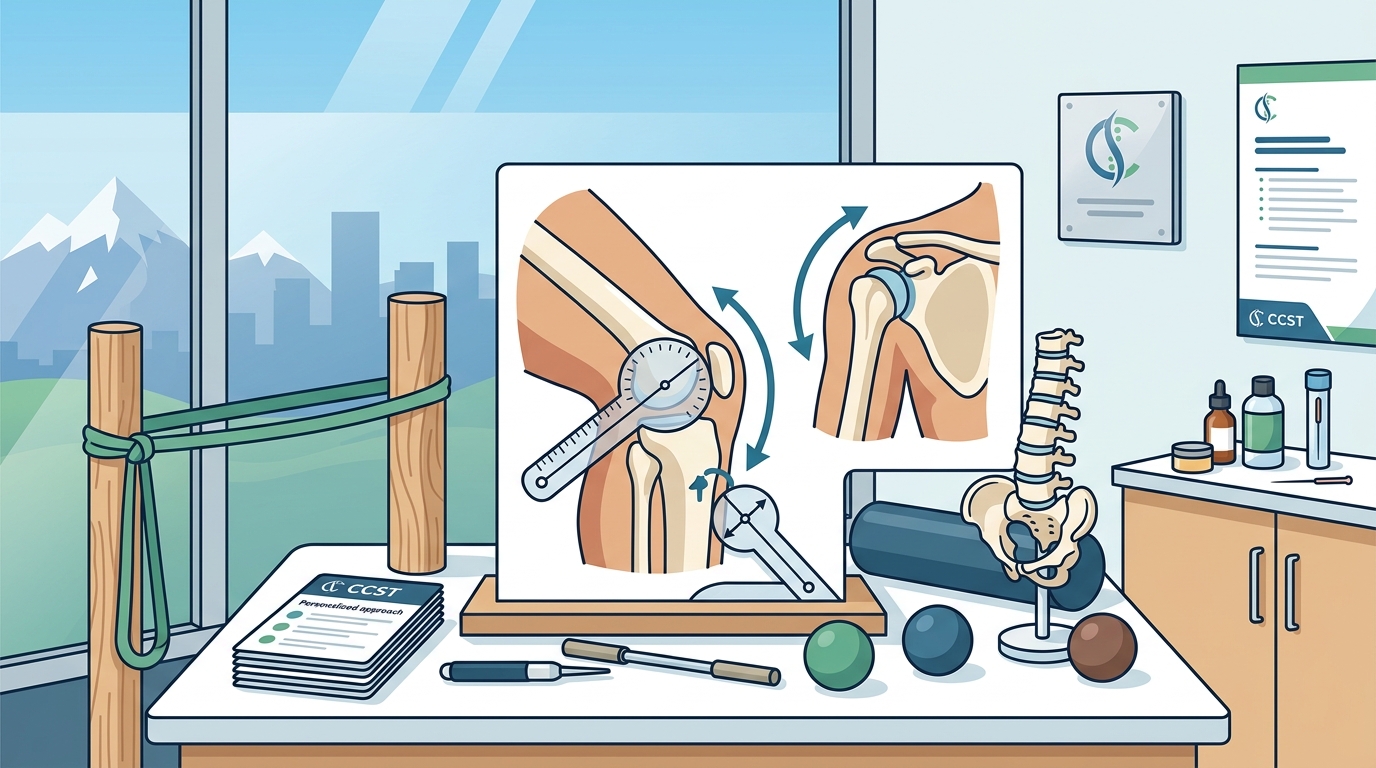
Research published in Physiopedia shows that joint mobilization triggers the release of endogenous opioids such as beta-endorphin, contributing to natural pain relief. Additionally, joint mobilization encourages the production of synovial fluid, leading to better joint lubrication and smoother movement.
The Role of Strengthening
Joints rely heavily on the surrounding muscles for support. Weak or imbalanced muscles place extra strain on joints, accelerating wear and tear. A good physiotherapy plan pairs mobilization with targeted strengthening exercises to offload pressure from joints, reduce inflammation, and improve overall biomechanics.
Key Physiotherapy Techniques for Joint Mobility
Physiotherapists use several evidence-based techniques to improve joint function. Here are the most common methods you will encounter:
Manual Therapy and Joint Mobilization
Joint mobilization is a therapeutic technique used by physiotherapists to improve range of motion, reduce pain, and restore function to joints that have become stiff or restricted. Controlled forces are applied to specific joints at varying speeds and amplitudes. Techniques like Active Release Technique (ART) and Graston Technique offered at CCST complement traditional mobilization.
Exercise Therapy
Customized exercise programs focus on improving strength, flexibility, and mobility by targeting specific areas of stiffness or weakness. Range-of-motion exercises like ankle rolls and wrist circles, along with strengthening movements like step-ups and clamshells, form the backbone of most programs.
Complementary Modalities
Treatments such as acupuncture, shockwave therapy, and IMS dry needling can further reduce pain and tissue tension, allowing joint mobilization to be more effective.
Conditions That Benefit From Joint Mobilization
Joint mobilization is effective across a wide range of musculoskeletal conditions. Below are some of the most common:
| Condition | Primary Mobility Issue | How Physiotherapy Helps |
|---|---|---|
| Frozen Shoulder | Severe shoulder stiffness | Gentle stretching and capsule mobilization restore range of motion |
| Knee Pain / Osteoarthritis | Reduced flexion and extension | Strengthening and mobility exercises reduce pain and improve function |
| Tennis Elbow | Elbow pain limiting grip and rotation | Joint mobilization reduces pain and restores elbow function |
| Low Back Pain | Spinal stiffness and limited bending | Manual therapy and core strengthening improve spinal mobility |
| Foot and Ankle Pain | Reduced dorsiflexion and balance | Ankle mobilization and proprioceptive training restore stability |
What to Expect During a Physiotherapy Session
A typical physiotherapy session at CCST begins with a thorough assessment of your joint range of motion, pain levels, and functional limitations. Your therapist then develops a personalized treatment plan that may combine manual therapy, exercise prescription, and complementary modalities in a single visit.
Because CCST uses a one-on-one approach, you receive the full attention of your practitioner for the entire session. There are never any hidden costs, and all techniques are included in the price of your treatment. Most patients begin noticing improvements within the first few sessions.
Physiotherapy vs. Other Approaches: A Quick Comparison
| Approach | Focus | Best For | Limitations |
|---|---|---|---|
| Physiotherapy | Movement restoration, strengthening, pain relief | Joint stiffness, post-surgery rehab, chronic conditions | Requires consistent attendance |
| Medication Only | Symptom masking | Short-term pain relief | Does not address root cause; risk of dependency |
| Surgery | Structural repair | Severe joint damage | Invasive, longer recovery, higher cost |
| No Treatment | N/A | N/A | Leads to further deconditioning and pain |
A meta-analysis cited in the BC Medical Journal of 60 randomized controlled trials found that exercise provided significant benefits over no exercise for adults with knee or hip osteoarthritis. This underscores why physiotherapy should be a first-line approach for joint mobility issues.
Key Takeaways
- Physiotherapy restores joint mobility through manual therapy, exercise, and complementary modalities working together.
- Joint mobilization stimulates synovial fluid production and triggers natural pain-relieving mechanisms in the body.
- Strengthening the muscles around a joint is just as important as mobilizing the joint itself.
- Conditions like frozen shoulder, osteoarthritis, and tennis elbow respond well to targeted physiotherapy.
- Individualized treatment plans deliver better outcomes than generic programs.
- CCST Calgary offers a one-on-one approach with no hidden costs, combining multiple techniques in every session.
- Starting physiotherapy early helps prevent the cycle of inactivity and further joint degeneration.
Frequently Asked Questions
What is joint mobilization in physiotherapy?
Joint mobilization is a therapeutic technique where a physiotherapist applies controlled, passive movements to a joint at varying speeds and amplitudes to restore range of motion, reduce pain, and improve function.
How quickly can physiotherapy improve joint mobility?
Many patients notice improvements within the first few sessions, though the timeline depends on the severity of the condition, the patient's age, and adherence to prescribed exercises.
Is physiotherapy effective for arthritis-related stiffness?
Yes. Guidelines from organizations including the National Institute for Health and Care Excellence recommend exercise therapy as a primary treatment for osteoarthritis, with manual therapy used alongside it for additional benefit.
What happens during a physiotherapy session at CCST?
You receive a comprehensive one-on-one assessment followed by a treatment plan that may include joint mobilization, exercise therapy, acupuncture, shockwave, or other techniques, all included in a single session fee.
Can physiotherapy prevent joint problems from getting worse?
Absolutely. Physiotherapy is not only for rehabilitation but also plays a vital role in injury prevention by strengthening supporting muscles and maintaining healthy joint range of motion.
Do I need a referral to see a physiotherapist in Calgary?
In Alberta, you do not need a physician referral to see a physiotherapist. You can book directly with CCST through the contact page.
How does physiotherapy compare to taking pain medication for joint issues?
Physiotherapy addresses the root cause of joint pain rather than masking symptoms. It offers a non-pharmacological approach that can reduce or eliminate the need for medication over time.
What other services complement physiotherapy for joint health?
Chiropractic care, osteopathy, registered massage therapy, and acupuncture all complement physiotherapy. At CCST, these services can be integrated into your treatment plan as needed.
Ready to Move Better? Book Your Physiotherapy Session Today
If joint stiffness or pain is holding you back, do not wait for it to worsen. The team at Complete Chiropractic and Sports Therapy in Calgary NW is ready to help you regain your mobility with a personalized, one-on-one treatment plan. Contact CCST today to book your appointment and take the first step toward pain-free movement.