
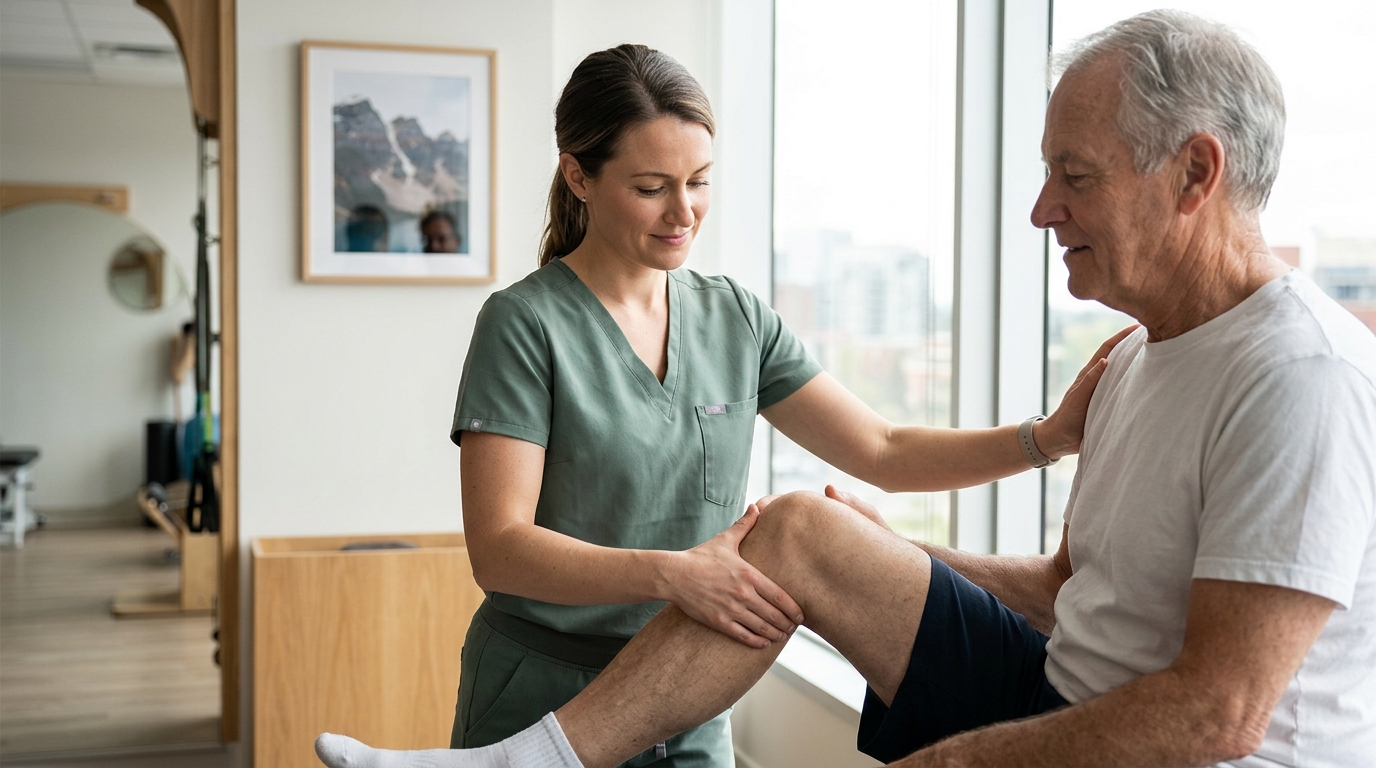
Joint mobility is the maximum range of motion available at a specific articulation without pain or tissue restriction. According to recent clinical reports, restricted movement patterns directly correlate with increased disability scores across adult populations. When connective tissues adapt to prolonged inactivity or repetitive stress, the surrounding fascia thickens and synovial fluid viscosity increases. This physiological response creates a mechanical barrier that limits daily movement. Physiotherapy addresses these structural changes through targeted interventions that restore normal biomechanics and reduce compensatory strain. Our team-based approach at Complete Chiropractic and Sports Therapy ensures every patient receives a customized recovery pathway. (Services Complete Chiropractic And)
Understanding Joint Mobility and Its Clinical Definition
Joint mobility is the maximum range of motion available at a specific articulation without pain or tissue restriction. This physiological parameter dictates how efficiently the skeletal system transfers force across kinetic chains. When mobility declines, the body compensates by recruiting adjacent segments to complete movement tasks. This compensatory pattern eventually generates localized inflammation and chronic discomfort. Physiotherapists evaluate these limitations using standardized goniometric measurements and functional movement screens. The assessment phase establishes a precise baseline for tracking clinical progress over time.
Manual therapy is a specialized clinical discipline involving hands-on techniques to restore normal joint arthrokinematics and soft tissue extensibility. Clinicians utilize graded mobilization protocols to stimulate mechanoreceptors within the joint capsule. This neurological feedback loop reduces muscle guarding and decreases pain perception. Patients often experience immediate improvements in movement quality following these targeted interventions. The therapeutic effect extends beyond the treated segment by normalizing surrounding tissue tension.
The Biomechanical Impact of Restricted Movement
Restricted movement forces the musculoskeletal system to operate outside its optimal mechanical advantage. This deviation increases compressive forces across cartilage surfaces and accelerates degenerative changes. Over time, the body develops adaptive shortening in the posterior chain and anterior shoulder girdle. These structural adaptations create a cycle of stiffness and compensatory strain. Physiotherapy interrupts this cycle by restoring normal tissue length and joint play. Restoring normal tissue length and joint play allows the kinetic chain to function without excessive stress.
Data shows that compensatory strain accelerates degenerative changes across cartilage surfaces. Data shows that compensatory strain accelerates degenerative changes across cartilage surfaces. When joints lose their natural glide, surrounding muscles tighten to protect the area. This protective mechanism eventually restricts blood flow and delays metabolic waste clearance. Physiotherapy restores normal tissue length and joint play to break this restrictive cycle. Restoring normal tissue length and joint play allows the kinetic chain to function without excessive stress.
Manual Therapy Techniques for Tissue Restoration
Manual therapy techniques for tissue restoration address adhesions and fascial restrictions that limit arthrokinematic glide. Clinicians apply precise directional forces to separate stuck tissue layers and restore normal sliding mechanics. These interventions increase local blood flow and accelerate metabolic waste clearance. Patients frequently report a noticeable reduction in morning stiffness after completing a structured treatment series. The clinical results compound when manual therapy is paired with active exercise protocols.
Our clinic integrates physiotherapy with complementary modalities to maximize tissue recovery. We utilize the Graston Technique to break down chronic scar tissue and improve fascial pliability. This instrument-assisted method targets dense connective tissue that standard stretching cannot reach. The procedure stimulates a localized inflammatory healing response that remodels collagen fibers. Patients benefit from faster tissue turnover and improved structural integrity.
Active Rehabilitation and Neuromuscular Re-education
Active rehabilitation protocols bridge the gap between passive treatment and independent functional movement. Therapists design progressive resistance programs that challenge joint stability under controlled loads. These exercises strengthen the stabilizing musculature while preserving full range of motion. Patients learn to activate deep core muscles and optimize breathing mechanics during complex movements. This foundational training prevents injury recurrence and supports long-term joint health.
Our team-based approach ensures that every patient receives coordinated care across multiple disciplines. We combine active release technique with targeted stretching routines to address muscle imbalances. This integrated strategy accelerates tissue remodeling and restores normal movement patterns. Clients experience measurable improvements in functional capacity within the first few treatment sessions. The structured progression keeps patients engaged and motivated throughout their recovery journey.
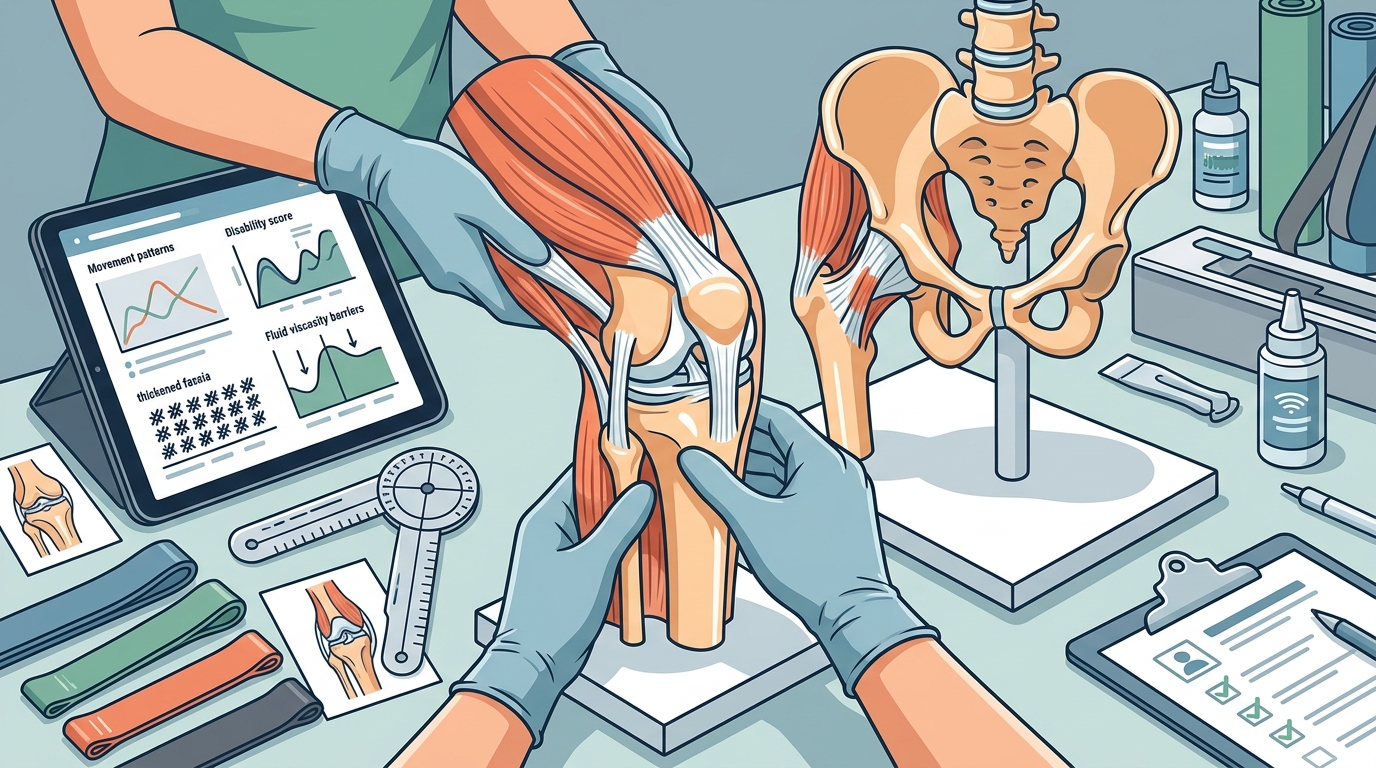
Advanced Modalities and Recovery Optimization
Advanced modalities and recovery optimization enhance tissue healing and reduce post-treatment soreness. Clinicians utilize therapeutic ultrasound to generate deep tissue heating and accelerate cellular metabolism. This energy delivery system improves collagen extensibility and reduces connective tissue stiffness. Patients often report faster recovery times when combining these technologies with active exercise. The synergistic effect maximizes clinical outcomes without extending treatment duration.
We also incorporate shockwave therapy to stimulate angiogenesis and break down calcified deposits. This high-energy acoustic wave triggers a controlled healing response at the cellular level. The procedure effectively treats chronic tendinopathies and calcific rotator cuff conditions. Patients experience gradual pain reduction and improved functional capacity over multiple sessions. The non-invasive nature of this technology makes it suitable for patients avoiding surgical intervention.
Key Takeaways
- Joint mobility directly influences kinetic chain efficiency and long-term musculoskeletal health.
- Manual therapy restores arthrokinematic glide and reduces compensatory muscle guarding.
- Neuromuscular re-education retrains central motor control to prevent movement re-injury.
- Integrated treatment protocols accelerate tissue remodeling and functional recovery.
- Our clinic operates with extended evening and weekend hours for patient convenience.
- Direct billing services minimize out-of-pocket expenses for most insurance plans.
- Consistent active rehabilitation prevents chronic stiffness and supports independent mobility.
Frequently Asked Questions
How many physiotherapy sessions are typically required to restore joint mobility?
Most patients achieve measurable improvements within six to eight clinical visits. Treatment frequency depends on the severity of tissue restriction and individual healing capacity. Our clinicians adjust session intensity based on weekly progress assessments. Consistent attendance and home exercise compliance significantly accelerate recovery timelines.
Can physiotherapy reverse chronic joint stiffness caused by aging?
Physiotherapy cannot reverse age-related cartilage loss, but it can significantly improve functional range of motion. Targeted manual techniques and progressive loading restore tissue elasticity and reduce pain. Patients often experience enhanced movement quality and reduced stiffness after completing a structured program. Regular maintenance sessions help preserve long-term mobility and prevent functional decline.
Is manual therapy painful during the initial treatment phases?
Manual therapy may cause temporary discomfort when addressing highly restricted tissue segments. Clinicians utilize graded pressure to ensure patient comfort while achieving therapeutic goals. Most patients report a satisfying release sensation following targeted mobilization techniques. Our practitioners prioritize patient feedback to adjust intensity and maintain treatment tolerance.
How does physiotherapy compare to surgical intervention for joint restrictions?
Physiotherapy serves as the primary conservative management strategy for most mobility limitations. Surgical intervention is typically reserved for severe structural damage or failed conservative care. Non-surgical approaches carry lower complication rates and faster recovery timelines. Patients should explore comprehensive rehabilitation protocols before considering invasive procedures.
What role does active release technique play in restoring joint function?
Active release technique targets specific muscle fibers and fascial adhesions that restrict normal glide. Clinicians apply precise tension while guiding the joint through its available range of motion. This method breaks down chronic scar tissue and restores normal tissue length. Patients experience immediate improvements in movement quality and reduced localized pain.
Book Your Mobility Assessment
Restoring joint mobility requires a structured, evidence-based approach tailored to your specific biomechanical needs. Our clinic provides comprehensive assessments, targeted manual therapy, and progressive rehabilitation programs designed to maximize your functional capacity. We offer extended evening and weekend hours to accommodate busy schedules and prioritize direct billing to minimize your financial burden. Contact us today to schedule your initial evaluation and begin your personalized recovery pathway. Our experienced practitioners are ready to help you regain pain-free movement and return to your daily activities with confidence.