
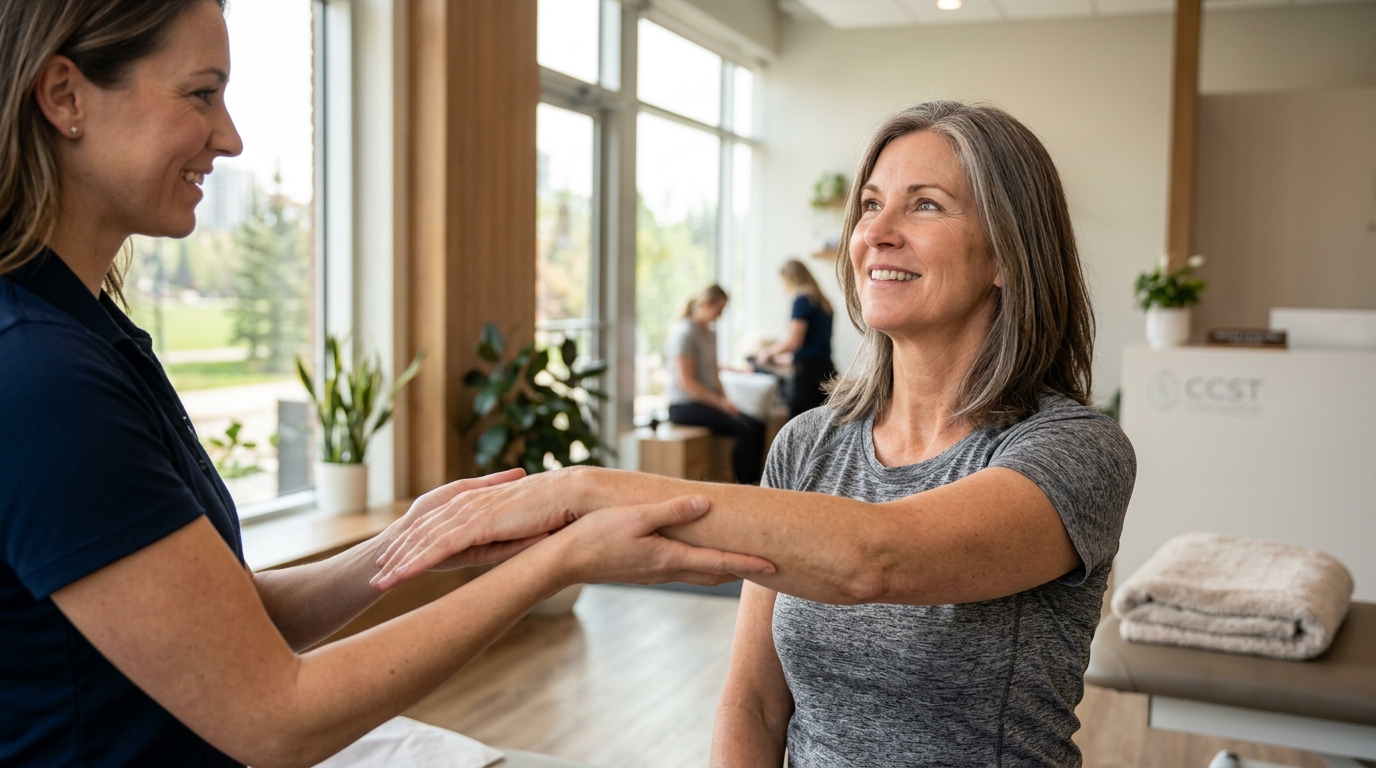
Joint stiffness is not merely an inconvenience; it is a physiological signal that your body is struggling to maintain functional independence. According to recent orthopedic health data, nearly 40% of adults in North America experience some form of chronic joint limitation that restricts daily movement. This statistic highlights why understanding the mechanics of joint mobility is critical for long-term health. At Complete Chiropractic & Sports Therapy (CCST) in NW Calgary, we utilize a team-based approach to restore your range of motion through evidence-based physiotherapy interventions.
Understanding Joint Mobility and Its Importance
Before diving into treatments, it is essential to define the core concept. Joint mobility is the ability of a joint to move freely through its full range of motion without pain or restriction. When this mobility is compromised, it often leads to compensatory movements that can cause injury in other parts of the body.
Many patients in Calgary visit our clinic because they feel "stuck" in their daily activities. Whether it is difficulty reaching overhead, bending down to tie shoes, or turning your head to check blind spots while driving, limited mobility affects quality of life. Our goal is to fix you in as few treatments as possible by addressing the root cause of the restriction, not just the symptoms. (Blog Complete Chiropractic And)
Physiotherapy plays a pivotal role in this process. Unlike passive treatments that only offer temporary relief, physiotherapy actively engages your body's healing mechanisms. By combining manual therapy with targeted exercises, we ensure that the improvements in mobility are sustainable and functional.
How Physiotherapy Restores Range of Motion
The human body is a complex system of levers and pulleys. When joints lose mobility, it is often due to a combination of soft tissue tightness, joint capsule stiffness, or neuromuscular inhibition. Physiotherapy addresses these factors through several distinct mechanisms.
Breaking Down Scar Tissue
After an injury or surgery, the body produces scar tissue to heal the damaged area. While necessary for repair, this tissue can become dense and restrictive. Scar tissue is a fibrous connective tissue that replaces normal tissue after injury. If left untreated, it can bind muscles and tendons together, significantly reducing joint flexibility. Our physiotherapists use specialized manual techniques to break down these adhesions, allowing the tissues to glide smoothly again.
Improving Synovial Fluid Circulation
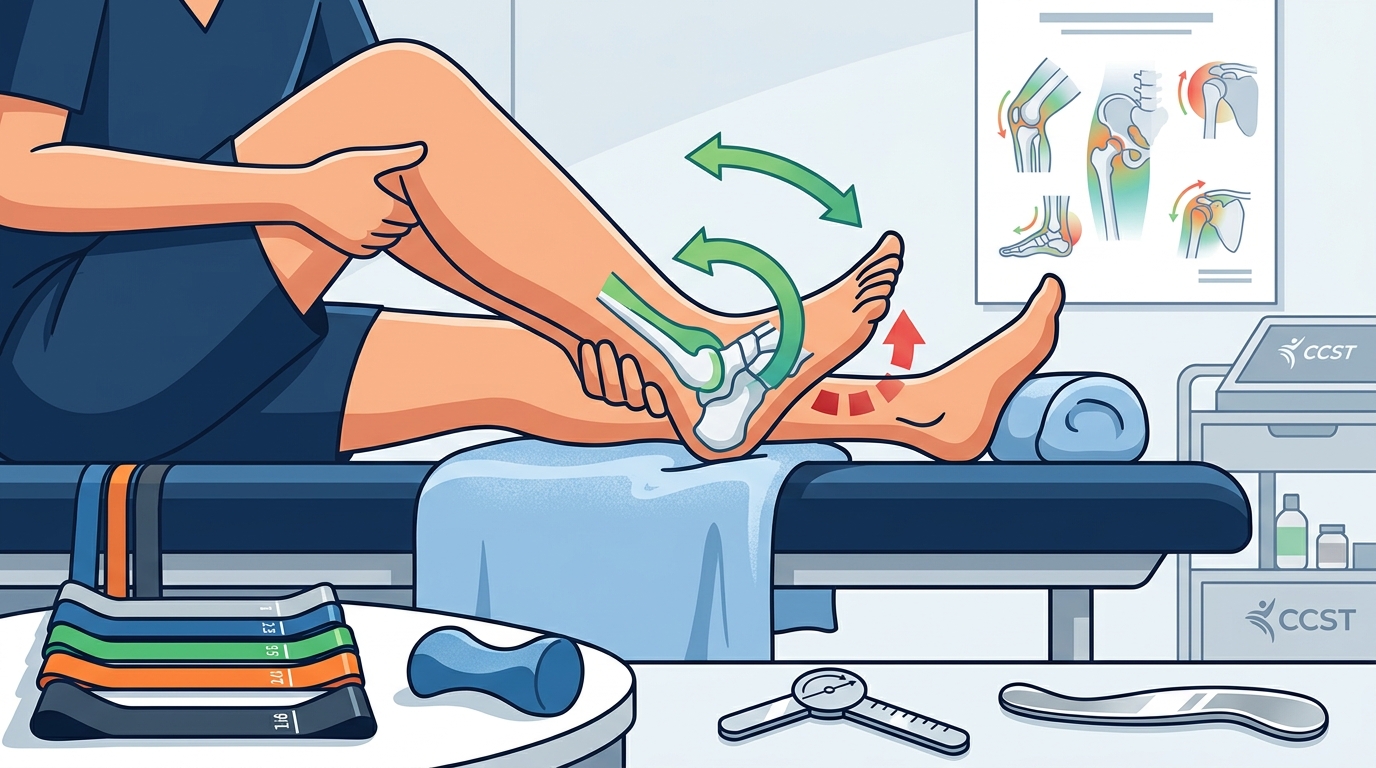
Joints are lubricated by synovial fluid, which nourishes the cartilage and reduces friction. When a joint is immobile, the production and distribution of this fluid decrease. Movement acts as a pump, circulating this vital fluid. Our rehabilitation protocols are designed to gently stimulate this circulation, ensuring that the joint surfaces remain healthy and lubricated.
Re-educating Neuromuscular Control
Sometimes, the joint itself is healthy, but the brain has "forgotten" how to move it safely. This is known as arthrogenic muscle inhibition. Arthrogenic muscle inhibition is a reflexive shutdown of muscles surrounding a joint due to pain or swelling. Physiotherapy helps retrain the nervous system to allow full contraction and relaxation of these muscles, unlocking the joint's potential range.
Key Techniques Used by Physiotherapists
At CCST, we do not rely on a one-size-fits-all approach. Our team-based healthcare model allows us to select the most effective combination of therapies for your specific condition. Here are the primary methods we employ to improve joint mobility.
Manual Therapy and Joint Mobilization
Manual therapy involves hands-on techniques performed by the physiotherapist. This includes joint mobilizations, where gentle, rhythmic movements are applied to the joint surfaces to increase slack in the joint capsule. This technique is particularly effective for stiff shoulders and hips. It helps to reduce pain and improve the glide of the joint surfaces.
Active Release Technique (ART®)
Active Release Technique is a patented, state-of-the-art soft tissue system that treats problems with muscles, tendons, ligaments, fascia, and nerves. Active Release Technique is a specialized manual therapy that combines precise tension with specific patient movements. It is highly effective for breaking up scar tissue and adhesions that restrict joint mobility. Many of our patients in NW Calgary find relief from chronic tightness through this targeted approach.
Graston Technique
The Graston Technique uses specialized instruments to detect and break down scar tissue and adhesions. This method allows the therapist to feel the texture of the tissue and apply precise pressure to the affected area. It is often used in conjunction with stretching and strengthening exercises to maximize mobility gains.
Shockwave Therapy
For chronic joint issues that have not responded to other treatments, shockwave therapy may be recommended. This non-invasive treatment uses acoustic waves to stimulate healing in damaged tissues. It can help to reduce pain and improve blood flow to the area, facilitating faster recovery of joint function.
Comparison of Mobility Restoration Methods
Choosing the right treatment path can be confusing. Below is a comparison of common methods used to improve joint mobility, highlighting their specific benefits and ideal use cases.
| Treatment Method | Primary Mechanism | Best For | Typical Duration |
|---|---|---|---|
| Joint Mobilization | Passive movement of joint surfaces | Stiff joints, post-surgical recovery | 10-15 minutes per session |
| Active Release Technique (ART®) | Dynamic soft tissue manipulation | Scar tissue, muscle tightness | 15-20 minutes per session |
| Graston Technique | Instrument-assisted fascial analysis | Chronic tendonitis, fascial restrictions | 10-15 minutes per session |
| Shockwave Therapy | Acoustic wave stimulation | Chronic pain, calcified tissues | 5-10 minutes per session |
Each of these methods serves a unique purpose. Our team at CCST will assess your specific limitations and recommend a combination of these therapies to achieve the best results. We are committed to a team-based healthcare approach, which ensures that the patient is provided the best Chiropractic, Physiotherapy, Massage, Osteopathy and Acupuncture therapy possible.
Key Takeaways
- Joint mobility is the ability of a joint to move freely through its full range of motion without pain or restriction. Maintaining it is crucial for daily function.
- Physiotherapy improves mobility by breaking down scar tissue, improving synovial fluid circulation, and re-educating neuromuscular control.
- Active Release Technique (ART®) is a specialized manual therapy that combines precise tension with specific patient movements to treat soft tissue problems.
- Scar tissue is a fibrous connective tissue that replaces normal tissue after injury, often leading to stiffness if not addressed.
- CCST offers a unique one-on-one approach to help you get amazing results with fewer visits.
- We provide direct billing to almost every major insurance company to reduce out-of-pocket expenses.
- Our clinic in NW Calgary is open evenings and weekends to accommodate your schedule.
Frequently Asked Questions
How long does it take to see improvements in joint mobility?
While individual results vary, many patients experience noticeable improvements in range of motion within 3 to 6 sessions. Our goal is to fix you in as few treatments as possible by using a unique multi-therapy approach.
Is physiotherapy painful?
Some discomfort may occur during manual therapy or stretching, but it should be manageable. Our therapists at CCST ensure that you receive the highest care possible on every visit, adjusting techniques to your tolerance levels.
Can physiotherapy help with arthritis-related stiffness?
Yes. Physiotherapy can help manage arthritis symptoms by improving joint mobility, reducing pain, and strengthening the muscles around the joint. We often combine physiotherapy with other modalities like cupping or acupuncture for comprehensive care.
Do you offer direct billing for insurance?
Yes, we direct bill almost every major insurance company. This reduces or even eliminates out-of-pocket expenses for our patients, making it easier to focus on your recovery.
What is the difference between joint mobility and flexibility?
Flexibility refers to the length of the muscle, while joint mobility refers to the ability of the joint to move. Both are important, but mobility is often the limiting factor in joint health.
How often should I attend physiotherapy sessions?
The frequency depends on your condition. Initially, we may recommend 2 to 3 sessions per week to gain momentum, then tapering off as you improve. Our team-based healthcare approach ensures you get the best plan for your needs.
Do you treat motor vehicle accident injuries?
Yes, we have specialized protocols for Motor Vehicle Accident (MVA) Treatment. We help patients recover from whiplash and other injuries that affect joint mobility.
Book Your Assessment Today
Don't let joint stiffness limit your life. At Complete Chiropractic & Sports Therapy, we are dedicated to helping you regain your mobility and return to the activities you love. Our team of experts, including Dr. Alim Kara, Dr. Shereen Kangarloo, and our physiotherapy team, is ready to provide you with a personalized treatment plan.
We are located in NW Calgary and offer convenient evening and weekend hours. Contact us today to schedule your appointment or book online for immediate assistance. Experience the "Complete" brand to therapy and see why our patients trust us for their healthcare needs.