
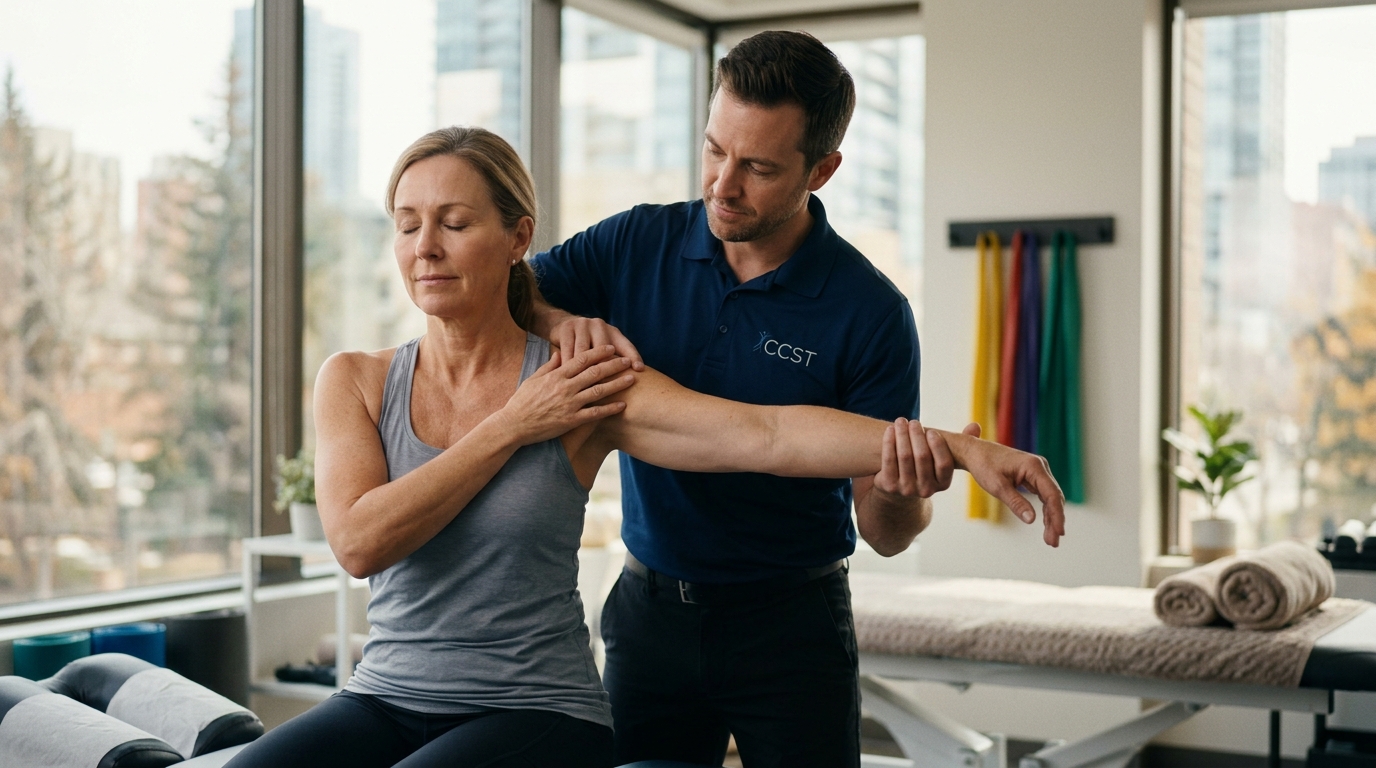
Joint mobility is the foundation of human movement, yet it is often the first thing to deteriorate due to injury, aging, or sedentary lifestyles. According to recent health data, nearly one in three adults experiences chronic joint stiffness that limits their daily activities. This statistic highlights the critical need for effective interventions that restore function without resorting to invasive procedures. Physiotherapy stands as the primary non-surgical solution for regaining range of motion and reducing pain.
The Science of Joint Mobility
To understand how physiotherapy works, we must first define the anatomy involved. Joint mobility is the ability of a joint to move freely through its full range of motion. This movement is governed by the health of the synovial fluid, the elasticity of ligaments, and the strength of surrounding muscles.
When joints become stiff, it is rarely due to a single factor. It is often a combination of muscle tightness, joint capsule adhesions, and neurological guarding. Physiotherapy addresses these layers simultaneously. By applying specific manual therapies and targeted exercises, therapists can break down scar tissue and stimulate the production of synovial fluid, which acts as a lubricant for the joint surfaces.
Research indicates that consistent movement is essential for maintaining cartilage health. Without regular loading and unloading, cartilage can lose its ability to absorb shock. Physiotherapy programs are designed to reintroduce this loading gradually, ensuring that the joint adapts to stress without causing further inflammation.
Assessment and Diagnosis
Effective treatment begins with a precise diagnosis. At a specialized clinic like Complete Chiropractic & Sports Therapy, the approach is never one-size-fits-all. Therapists conduct a thorough biomechanical assessment to identify the root cause of the mobility restriction.
This process involves evaluating posture, gait, and specific movement patterns. For instance, a patient with knee pain might actually have a mobility restriction in their ankle or hip. By identifying these compensatory patterns, therapists can target the correct areas for treatment. This team-based healthcare approach ensures that every aspect of the patient's movement system is considered.
During the initial consultation, the therapist will also review medical history and current symptoms. This information helps in creating a tailored treatment plan that aligns with the patient's specific healthcare goals. Whether the goal is to return to sports or simply to play with grandchildren, the plan is customized to deliver the best possible outcome.
Core Physiotherapy Techniques
Physiotherapy utilizes a variety of evidence-based techniques to restore mobility. These methods are often combined to maximize results. Below are the primary modalities used to improve joint function.
Manual Therapy
Manual therapy involves hands-on techniques where the therapist manipulates the joints and soft tissues. This includes joint mobilizations, which are gentle, rhythmic movements applied to stiff joints. These movements help to separate joint surfaces and reduce pain signals sent to the brain. It is a non-invasive way to "unlock" a joint that feels stuck.
Active Release Technique (ART®)
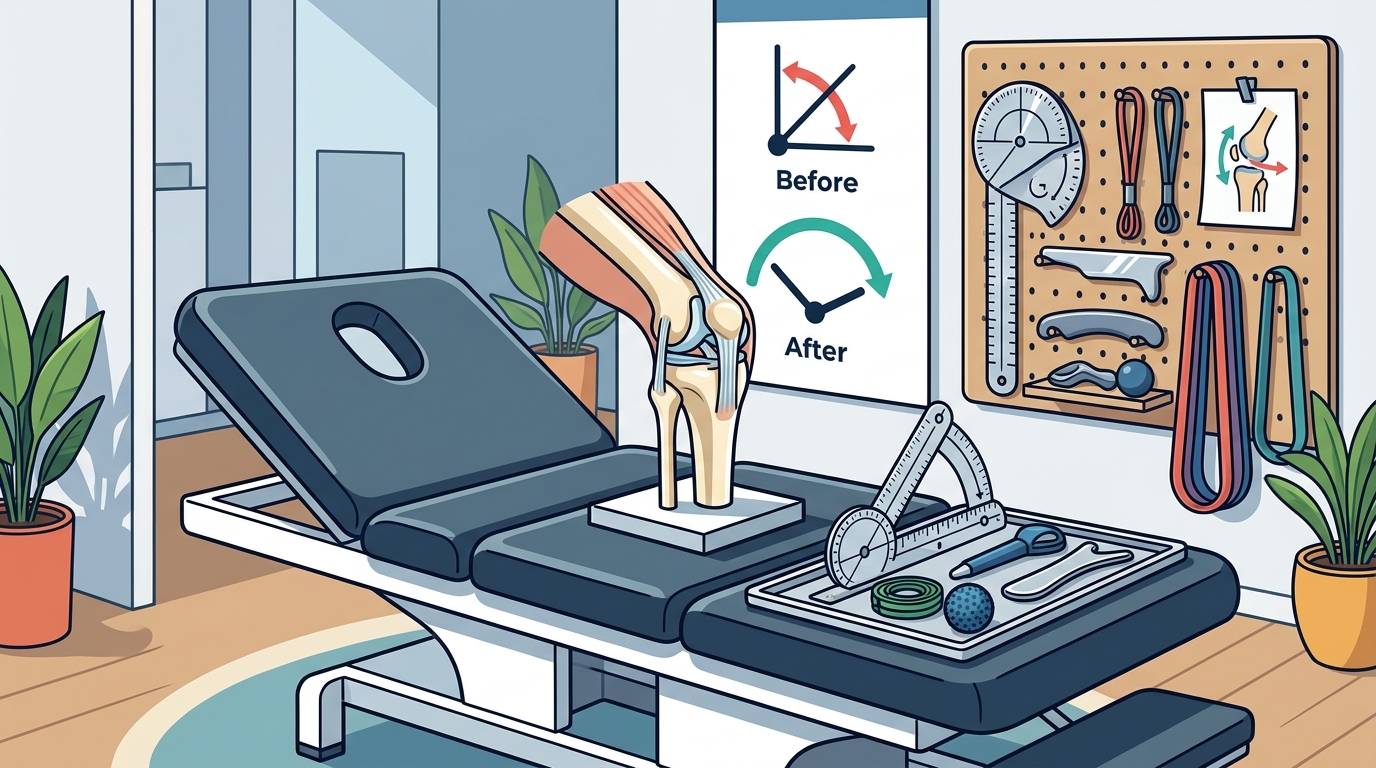
Active Release Technique is a patented, state-of-the-art soft tissue system that treats problems with muscles, tendons, ligaments, fascia, and nerves. ART is a specific method of treating adhesions and scar tissue. By applying precise tension while the patient moves the affected muscle, the therapist can break up fibrous bands that restrict movement. This technique is particularly effective for athletes and individuals with repetitive strain injuries.
Graston Technique
The Graston Technique involves the use of specialized instruments to detect and break down scar tissue and adhesions. This method allows therapists to feel the texture of the tissue and apply precise pressure to the affected area. It is highly effective for chronic conditions where traditional massage may not reach the deeper layers of tissue.
Therapeutic Exercise
While manual therapy provides immediate relief, therapeutic exercise ensures long-term stability. Strengthening the muscles around a joint reduces the load on the joint itself. This is crucial for preventing future injuries. Exercises are progressively overloaded to mimic the demands of daily life or sports.
Common Conditions Treated
Physiotherapy is effective for a wide range of conditions that affect joint mobility. Understanding these conditions helps patients recognize when they need professional intervention.
- Rotator Cuff Pain: Shoulder stiffness is common after injury or surgery. Physiotherapy restores the complex range of motion required for overhead activities.
- Runner’s Knee: Patellofemoral pain often stems from poor hip and ankle mobility. Correcting these alignment issues reduces stress on the knee joint.
- Plantar Fasciitis:
- Frozen Shoulder: Also known as adhesive capsulitis, this condition causes severe stiffness. Gentle mobilization and stretching are key to recovery.
- Sciatic Pain: Often caused by tight piriformis muscles or lumbar spine issues. Physiotherapy addresses the nerve compression through targeted release and strengthening.
For patients recovering from Motor Vehicle Accident (MVA) injuries, physiotherapy is critical. Whiplash and other trauma can severely limit neck and back mobility. A structured rehab program helps restore function and reduce pain.
Physiotherapy vs. Other Therapies
Patients often wonder how physiotherapy compares to other treatments like chiropractic care or massage therapy. While each has its place, they serve different primary functions.
| Therapy Type | Primary Focus | Best For | Duration of Relief |
|---|---|---|---|
| Chiropractic Care | Joint alignment and nervous system function | Acute pain and spinal adjustments | Short to Medium term |
| Massage Therapy | Soft tissue relaxation and circulation | Muscle tension and stress relief | Short term |
| Physiotherapy | Functional movement and tissue healing | Restoring range of motion and strength | Long term |
| Osteopathy | Whole-body structural balance | Holistic health and chronic issues | Medium to Long term |
At CCST, these therapies are integrated. The "Complete" style of therapy uses multiple techniques together to ensure true patient-centered care. This multi-therapy approach often yields faster results than any single modality alone.
Key Takeaways
- Joint mobility is essential for daily function and is often compromised by injury or inactivity.
- Physiotherapy addresses the root cause of stiffness through manual therapy and targeted exercise.
- Techniques like Active Release Technique (ART®) and Graston are highly effective for breaking down scar tissue.
- A team-based approach combining chiropractic, physio, and massage offers comprehensive recovery.
- Direct billing is available at most major insurance companies, reducing out-of-pocket costs.
- Early intervention prevents chronic pain and reduces the risk of future injuries.
- CCST offers extended hours, including evenings and weekends, for convenient access to care.
Frequently Asked Questions
How many physiotherapy sessions do I need?
The number of sessions varies based on the severity of the condition. However, the goal at CCST is to fix you in as few treatments as possible. Most patients see significant improvement within 6 to 12 sessions.
Is physiotherapy painful?
Some discomfort may occur during manual therapy or stretching, but it should not be unbearable. Therapists work within your pain tolerance to ensure effective treatment without causing further injury.
Can physiotherapy help with chronic joint pain?
Yes. Physiotherapy is highly effective for managing chronic conditions like arthritis. It helps maintain mobility and reduces pain through strengthening and joint mobilization.
Do you offer direct billing?
Yes, CCST direct bills almost every major insurance company. This reduces or eliminates out-of-pocket expenses for patients, making care more accessible.
What is the difference between mobility and flexibility?
Flexibility refers to the length of muscles, while mobility refers to the ability of a joint to move through its range. Both are important, but mobility is more critical for functional movement.
How do I book an appointment?
You can book online quickly and easily through our 24/7 online booking system. You can also call us or send an email to schedule your assessment.
Do you treat sports injuries?
Absolutely. CCST specializes in sports therapy and has extensive experience treating athletes of all levels. We use advanced techniques like ART® to ensure a safe return to play.
Start Your Recovery Today
Don't let joint stiffness limit your life. Whether you are dealing with a sports injury, chronic pain, or post-surgical stiffness, physiotherapy can help you regain your mobility. At Complete Chiropractic & Sports Therapy, we are committed to providing the highest care possible on every visit.
Our team of chiropractors, physiotherapists, and massage therapists work closely together to ensure you receive the best treatment possible. With our extended hours and convenient location in NW Calgary, getting help is easier than ever.
Book your appointment online today and take the first step towards a pain-free, mobile life. Experience the "Complete" difference in healthcare.