

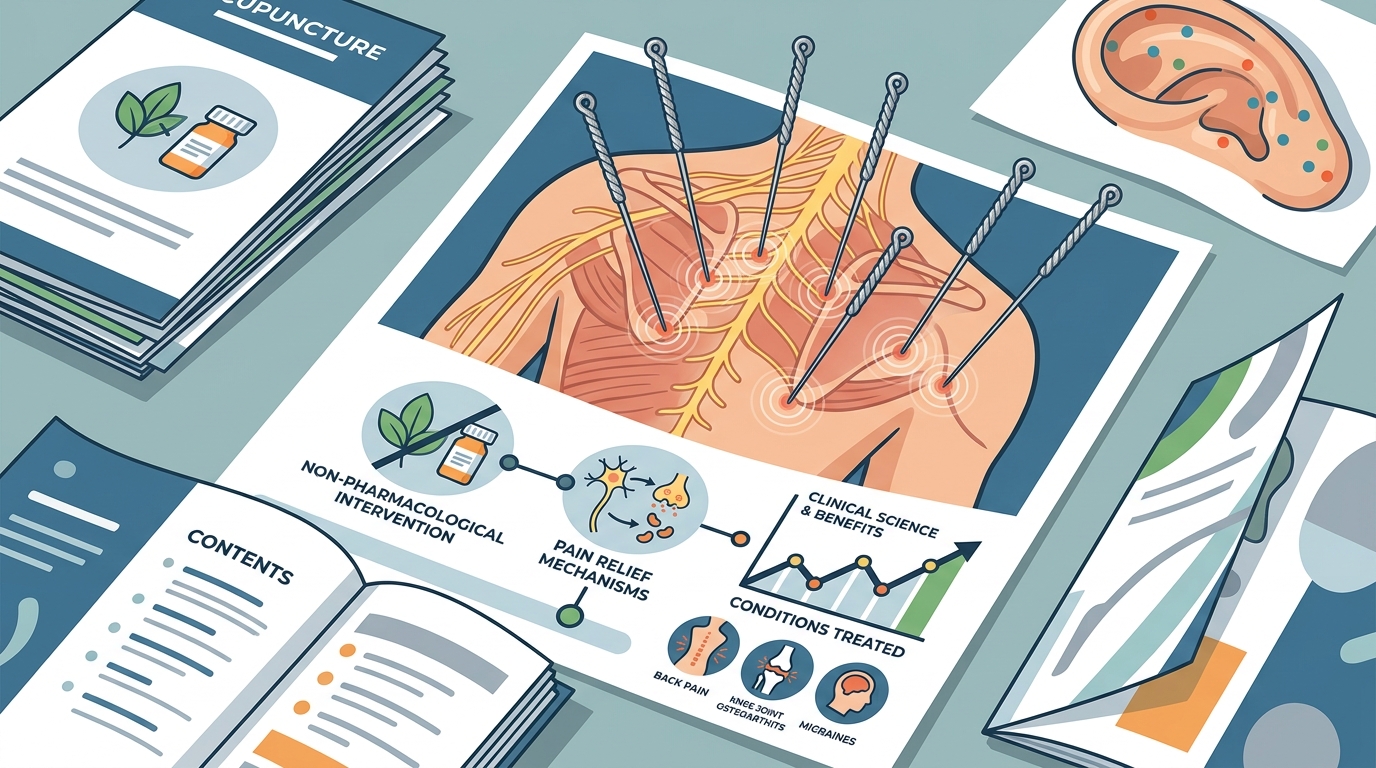
Acupuncture is a core component of traditional Chinese medicine that has gained significant traction in modern Western healthcare for its efficacy in managing chronic pain. According to recent clinical data, acupuncture is ranked among the top non-pharmacological interventions for conditions such as lower back pain, osteoarthritis, and migraines. This guide explores the physiological mechanisms behind needle insertion, the clinical evidence supporting its use, and how a multidisciplinary approach at a Calgary wellness clinic can accelerate your recovery.
The Physiological Mechanism of Pain Relief
Acupuncture is defined as the insertion of thin, sterile needles into specific points on the body to stimulate nervous system function. While the traditional explanation involves balancing "Qi" or energy flow, modern science explains pain relief through neurophysiological pathways. When needles are inserted, they trigger the release of endorphins, the body's natural painkillers, and serotonin, which helps regulate mood and pain perception.
Research indicates that acupuncture stimulates the central nervous system, causing changes in brain activity that help the body manage pain. A study published in the journal Pain demonstrated that acupuncture activates the hypothalamus and pituitary gland, leading to the release of hormones that reduce inflammation and pain signals. This biological response is why many patients experience immediate relief after their first session.
Furthermore, acupuncture is not merely a passive treatment. It works by modulating the gate control theory of pain. By stimulating sensory nerves, acupuncture "closes the gate" to pain signals traveling to the brain. This means the brain receives fewer pain messages, allowing the body to focus on healing rather than processing discomfort. At Complete Chiropractic & Sports Therapy, we utilize this mechanism to complement our chiropractic adjustments and physiotherapy sessions for maximum efficacy.
Conditions Best Suited for Acupuncture
While acupuncture is versatile, it is particularly effective for specific types of pain. The National Institutes of Health (NIH) has recognized acupuncture as a viable treatment for several chronic conditions. Understanding which conditions respond best to this therapy helps patients set realistic expectations for their recovery timeline.
Chronic Lower Back Pain
Chronic lower back pain is one of the leading causes of disability worldwide. Clinical trials have shown that acupuncture can significantly reduce pain intensity and improve function in patients with chronic back pain. By targeting specific points along the bladder meridian, practitioners can alleviate tension in the lumbar region and improve mobility.
Osteoarthritis and Joint Pain
For patients suffering from osteoarthritis, particularly in the knees, acupuncture offers a drug-free alternative to manage symptoms. A systematic review by the Cochrane Library found that acupuncture is superior to both no care and sham acupuncture for reducing knee pain and improving function. The anti-inflammatory effects of needle stimulation help reduce swelling and stiffness in the joints.
Migraines and Tension Headaches
Acupuncture is widely recommended for the prevention of migraines. According to data from the American Migraine Foundation, regular acupuncture sessions can reduce the frequency of migraine attacks by up to 50 percent. For tension headaches, which are often caused by muscle tightness in the neck and shoulders, acupuncture helps release trigger points and improve blood flow to the head.
Acupuncture vs. Traditional Pain Management
Choosing the right pain management strategy is critical for long-term health. Traditional methods often rely on pharmaceuticals, which can carry risks of dependency and side effects. In contrast, acupuncture offers a holistic approach that addresses the root cause of pain rather than just masking symptoms.
| Feature | Acupuncture | Pharmaceutical Pain Relief | Physical Therapy Alone |
|---|---|---|---|
| Mechanism | Neurological stimulation & endorphin release | Chemical inhibition of pain signals | Muscle strengthening & mobility |
| Side Effects | Minimal (minor bruising) | Common (nausea, drowsiness, dependency) | Mild soreness |
| Long-term Efficacy | High (cumulative benefit) | Variable (tolerance may develop) | High (if compliance is maintained) |
| Integration | Works well with chiropractic & massage | Often isolated treatment | Can be enhanced by acupuncture |
At CCST, we prioritize a team-based healthcare approach. This means we rarely rely on a single modality. Instead, we combine acupuncture with other therapies to create a comprehensive treatment plan. For more information on our holistic philosophy, visit our About Us page.
What to Expect During a Session
Many patients are anxious about their first acupuncture session. Understanding the process can help alleviate these concerns. The treatment is generally painless, though sensations vary from person to person.
The Initial Consultation
Before any needles are inserted, your practitioner will conduct a thorough assessment. This includes reviewing your medical history, current symptoms, and lifestyle factors. In traditional Chinese medicine, the practitioner may also look at your tongue and feel your pulse to determine the underlying imbalance. This diagnostic step ensures that the treatment is tailored specifically to your needs.
The Treatment
During the session, you will lie on a comfortable treatment table. The practitioner will insert sterile, single-use needles into specific points. You may feel a slight tingling, heaviness, or dull ache, which is known as "De Qi." This sensation indicates that the needle has successfully stimulated the nerve. Most patients find this relaxing and often fall asleep during the 20 to 30 minute session.
Post-Treatment Care
After the needles are removed, you may feel a sense of lightness or relaxation. It is important to stay hydrated and avoid strenuous activity for the rest of the day. Our team at Complete Chiropractic & Sports Therapy provides personalized aftercare instructions to ensure you maximize the benefits of your treatment.
Integrating Acupuncture with Physiotherapy
One of the distinct advantages of visiting a multidisciplinary clinic is the ability to integrate acupuncture with other therapies. At CCST, we offer a unique one-on-one approach that combines chiropractic, physiotherapy, massage, and osteopathy. This "Complete" style of therapy ensures that patients receive the highest care possible on every visit.
Acupuncture can enhance the effects of physiotherapy by reducing pain and muscle tension, allowing patients to participate more fully in their exercises. Similarly, combining acupuncture with Registered Massage Therapy can accelerate tissue healing and improve circulation. For patients recovering from motor vehicle accidents, our MVA Treatment program often includes acupuncture to manage whiplash symptoms effectively.
We also specialize in Active Release Technique (ART®) and Shockwave Therapy, which can be paired with acupuncture for stubborn soft tissue injuries. This integrated approach addresses both the structural and neurological aspects of pain.
Key Takeaways
- Neurological Impact: Acupuncture works by stimulating the central nervous system to release endorphins and modulate pain signals.
- Clinical Evidence: Major health organizations recognize acupuncture as effective for chronic back pain, osteoarthritis, and migraines.
- Safety Profile: When performed by licensed practitioners, acupuncture has minimal side effects compared to pharmaceutical pain relievers.
- Integrated Care: Combining acupuncture with chiropractic and physiotherapy yields superior outcomes for complex pain conditions.
- CCST Expertise: Our team includes Dr. Alex Judd and other specialists dedicated to evidence-based pain management.
- Accessibility: We offer direct billing to most insurance companies and extended hours for patient convenience.
- Long-term Benefits: Regular sessions can reduce the frequency of pain episodes and decrease reliance on medication.
Frequently Asked Questions
Is acupuncture painful?
Acupuncture is generally not painful. The needles used are extremely thin, similar to hairs. You may feel a slight tingling or dull ache, but most patients find the experience relaxing.
How many sessions will I need?
The number of sessions depends on the severity and chronicity of your condition. Acute issues may resolve in 3 to 5 sessions, while chronic conditions may require ongoing maintenance. Your practitioner will create a personalized plan.
Does acupuncture work for everyone?
While most patients experience significant relief, individual responses can vary. Factors such as overall health, stress levels, and the specific condition being treated influence outcomes. Our team at CCST will assess your suitability during the consultation.
Is acupuncture covered by insurance?
Yes, most major insurance companies in Canada cover acupuncture services. We offer direct billing to reduce your out-of-pocket expenses. Please check with your provider for specific coverage details.
Can I combine acupuncture with chiropractic care?
Absolutely. Combining acupuncture with chiropractic adjustments is a powerful strategy for pain management. The acupuncture helps relax muscles and reduce inflammation, making chiropractic adjustments more effective and comfortable.
Are the needles sterile?
Yes, we use only sterile, single-use, disposable needles. Safety and hygiene are paramount at Complete Chiropractic & Sports Therapy.
What is the "Complete" style of therapy?
The "Complete" style is an all-encompassing one-on-one treatment that uses multiple techniques and approaches together. It is delivered at the highest ethical and scientific standards to ensure true patient-centered care.
Start Your Pain-Free Journey
If you are struggling with chronic pain, acupuncture may be the key to unlocking your recovery. At Complete Chiropractic & Sports Therapy, we are committed to fixing you in as few treatments as possible. Our team-based approach ensures that you receive comprehensive, high-quality care tailored to your unique needs.
Do not let pain control your life. Contact us today to schedule your initial consultation. You can book online or call our Calgary NW clinic directly. We are open evenings and weekends to accommodate your busy schedule. Visit our blog for more insights on health and wellness.