

Acupuncture is a core component of traditional Chinese medicine that has gained significant traction in modern Western healthcare for its efficacy in managing chronic pain. According to data from the National Institutes of Health, approximately 31 million adults in the United States practice acupuncture annually, reflecting a massive shift toward integrative pain management strategies. This surge in popularity is not merely anecdotal but is supported by a growing body of clinical research demonstrating its ability to modulate the nervous system and reduce inflammation. At Complete Chiropractic & Sports Therapy in Calgary, we integrate this ancient practice with contemporary diagnostic techniques to provide holistic relief for our patients. (Acupuncture Johns Hopkins) (About Us Complete Chiropractic)
The Neurological Mechanisms of Pain Relief
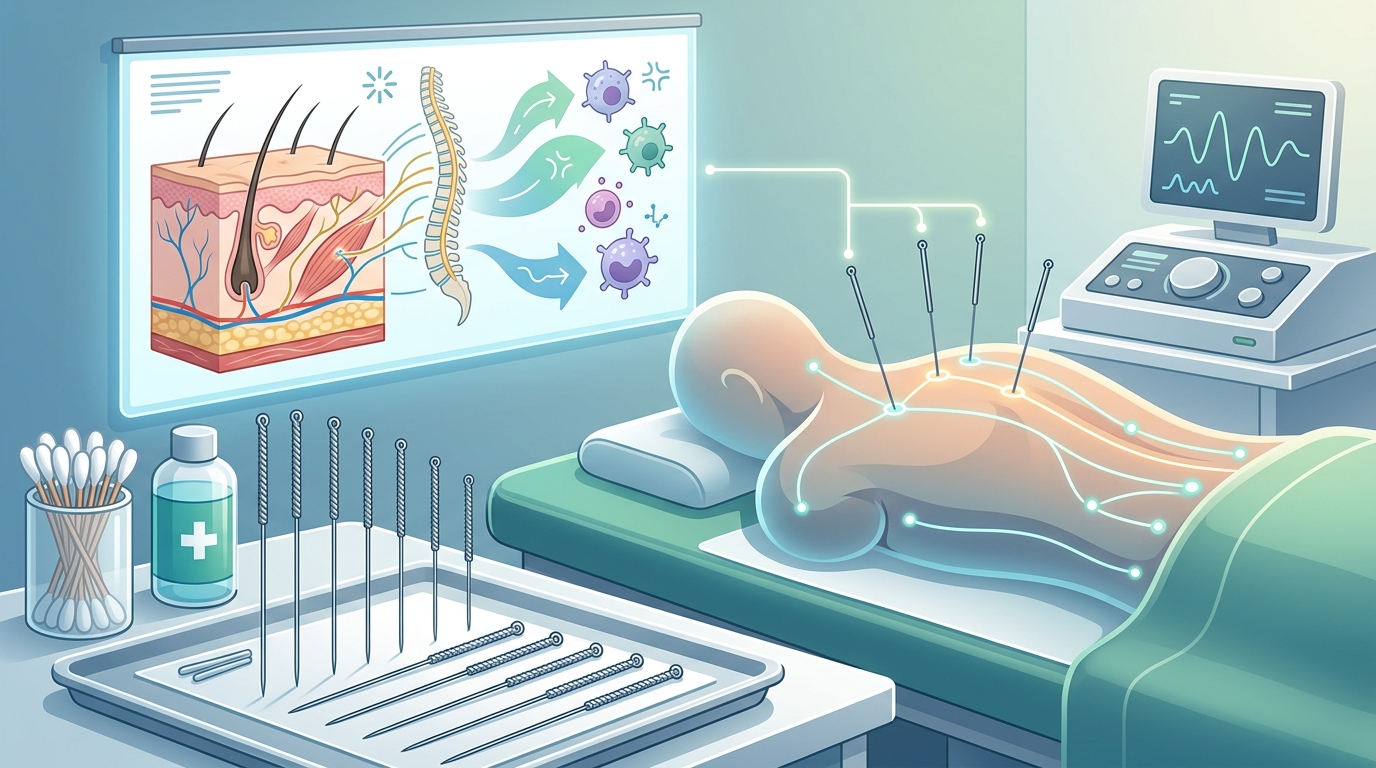
To understand how acupuncture works for pain management, one must first look at the interaction between the needles and the nervous system. Acupuncture is the insertion of thin, sterile needles into specific points on the body to stimulate nerve endings. This stimulation triggers a cascade of physiological responses that the body interprets as a signal to heal itself. (Blog Complete Chiropractic And)
Endorphin Release
When the needles are inserted, they stimulate the release of endorphins, which are the body's natural painkillers. These chemicals bind to opioid receptors in the brain, effectively blocking pain signals from reaching the central nervous system. This process is similar to how certain pharmaceutical analgesics work, but without the risk of dependency or severe side effects. The body's natural chemistry is leveraged to create a sustainable environment for pain reduction.
Gate Control Theory
Another critical concept is the Gate Control Theory of pain. Acupuncture stimulates large-diameter nerve fibers, which "close the gate" to pain signals carried by smaller fibers. This means that the sensation of the needle insertion and the subsequent neural activity can override the perception of chronic pain. This mechanism is particularly effective for localized pain conditions such as lower back pain and osteoarthritis.
Modulating the Inflammatory Response
Pain is often a symptom of underlying inflammation. Acupuncture works by influencing the local immune response at the site of insertion and throughout the body. Research indicates that acupuncture can reduce the levels of pro-inflammatory cytokines, which are proteins that promote inflammation.
By downregulating these inflammatory markers, acupuncture helps to reduce swelling and tissue irritation. This is particularly beneficial for patients suffering from sports injuries or degenerative joint conditions. At our Calgary clinic, we often combine acupuncture with other modalities like Active Release Technique (ART) to enhance this anti-inflammatory effect. The combination of mechanical therapy and neural stimulation provides a comprehensive approach to resolving the root cause of pain.
Clinical Evidence for Chronic Pain
The efficacy of acupuncture is not limited to theoretical models. Numerous clinical trials have validated its role in pain management. A landmark study published in the Annals of Internal Medicine found that acupuncture was effective for chronic pain conditions, including back and neck pain, osteoarthritis, and chronic headaches. The study noted that the effects of acupuncture persisted for up to 12 months after the cessation of treatment. (Acupuncture StatPearls NCBI)
Furthermore, the National Center for Complementary and Integrative Health recognizes acupuncture as a viable option for managing chronic pain. This recognition has led to increased insurance coverage and integration into mainstream medical practices. Patients in Calgary are increasingly seeking out providers who offer this evidence-based service as part of a broader treatment plan.
What to Expect in a Session
Understanding the process helps alleviate anxiety for first-time patients. A typical session at Complete Chiropractic & Sports Therapy begins with a thorough assessment. Our practitioners, including Dr. Alex Judd, evaluate your medical history and current pain levels to determine the most effective acupuncture points.
The Insertion Process
The needles used are hair-thin and sterile. Most patients report minimal discomfort during insertion, often describing it as a slight tingling or heaviness rather than pain. Once the needles are in place, you will rest for 20 to 30 minutes. This period allows the body to respond to the stimulation and enter a state of deep relaxation.
Integration with Other Therapies
Acupuncture is rarely used in isolation at our practice. We employ a team-based approach that may include chiropractic adjustments, physiotherapy, and massage. This multi-therapy approach ensures that we address both the structural and neurological aspects of your pain. For example, combining acupuncture with Graston Technique can accelerate healing in soft tissue injuries by improving blood flow and reducing scar tissue.
Acupuncture vs. Traditional Pain Management
Choosing the right pain management strategy is crucial for long-term health. Below is a comparison of acupuncture with traditional pharmaceutical approaches.
| Feature | Acupuncture | Traditional NSAIDs | Opioid Analgesics |
|---|---|---|---|
| Mechanism | Neural stimulation & endorphin release | Chemical inhibition of inflammation | Central nervous system blockade |
| Risk of Dependency | None | Low | High |
| Side Effects | Mild bruising or soreness | Gastrointestinal issues, kidney strain | Nausea, constipation, addiction |
| Long-term Efficacy | High (cumulative effect) | Moderate (tolerance builds) | Moderate (tolerance builds) |
| Integration | Works well with chiropractic & massage | Standalone medication | Standalone medication |
As shown in the table, acupuncture offers a safer profile with fewer adverse effects compared to long-term pharmaceutical use. This makes it an ideal choice for patients seeking a sustainable path to pain relief. Our team is dedicated to helping you navigate these options to find the most effective treatment plan for your specific needs.
Key Takeaways
- Neurological Modulation: Acupuncture stimulates the release of endorphins and activates the gate control theory to block pain signals.
- Anti-Inflammatory Effects: The practice reduces pro-inflammatory cytokines, helping to resolve the root cause of tissue pain.
- Clinical Validation: Studies in the Annals of Internal Medicine confirm its efficacy for chronic back, neck, and knee pain.
- Team-Based Care: At CCST, acupuncture is integrated with chiropractic, massage, and osteopathy for comprehensive results.
- Safety Profile: It carries a negligible risk of dependency compared to traditional opioid or NSAID treatments.
- Direct Billing: We offer direct billing to most major insurance companies, making access to care more affordable for Calgary residents.
- Extended Hours: Our clinic is open evenings and weekends to accommodate busy schedules for appointments.
Frequently Asked Questions
Is acupuncture painful?
Most patients find acupuncture to be virtually painless. The needles are extremely thin, and the sensation is often described as a mild tingling or heaviness rather than sharp pain. The goal is relaxation, not discomfort.
How many sessions are needed?
The number of sessions varies based on the individual condition. Acute injuries may resolve in 3 to 5 sessions, while chronic conditions may require a longer treatment plan. Our practitioners at Complete Chiropractic & Sports Therapy will outline a clear plan during your initial consultation.
Does acupuncture work for all types of pain?
While acupuncture is highly effective for musculoskeletal pain, headaches, and nerve pain, it may not be suitable for all conditions. It is best used as part of a comprehensive treatment plan tailored to your specific diagnosis.
Can I combine acupuncture with chiropractic care?
Yes, combining acupuncture with chiropractic adjustments is a common and highly effective strategy. This multi-therapy approach addresses both structural alignment and neurological pain signaling simultaneously.
Is acupuncture covered by insurance?
Many insurance plans in Canada cover acupuncture services. We offer direct billing to almost every major insurance company to reduce or eliminate out-of-pocket expenses for our patients.
Are there any side effects?
Side effects are rare and typically mild. Some patients may experience slight bruising or soreness at the needle sites. These effects usually resolve within a day or two.
How do I book an appointment?
You can book an appointment online through our website or by calling our Calgary NW clinic directly. We offer flexible scheduling, including evening and weekend hours, to fit your lifestyle.
Book Your Consultation
If you are struggling with chronic pain, acupuncture may be the key to unlocking lasting relief. Our team at Complete Chiropractic & Sports Therapy is committed to providing the highest level of care using a unique one-on-one approach. We utilize multiple techniques, including acupuncture, chiropractic, and massage, to ensure you get amazing results with fewer visits.
Take the first step toward a pain-free life. Contact us today to schedule your initial assessment. We look forward to helping you achieve your health goals in Calgary.