

Clinical research consistently demonstrates that acupuncture delivers measurable relief for chronic musculoskeletal conditions. According to recent clinical trials, approximately sixty percent of patients report significant symptom reduction after completing a structured treatment course. This data highlights why modern rehabilitation centers increasingly integrate needle therapy into comprehensive care protocols. Understanding the physiological mechanisms behind this ancient practice helps patients make informed decisions about their recovery journey. Many individuals seek non-pharmaceutical alternatives to manage persistent discomfort without relying on synthetic medications. (About Us Complete Chiropractic)
Neurological Response Mechanisms
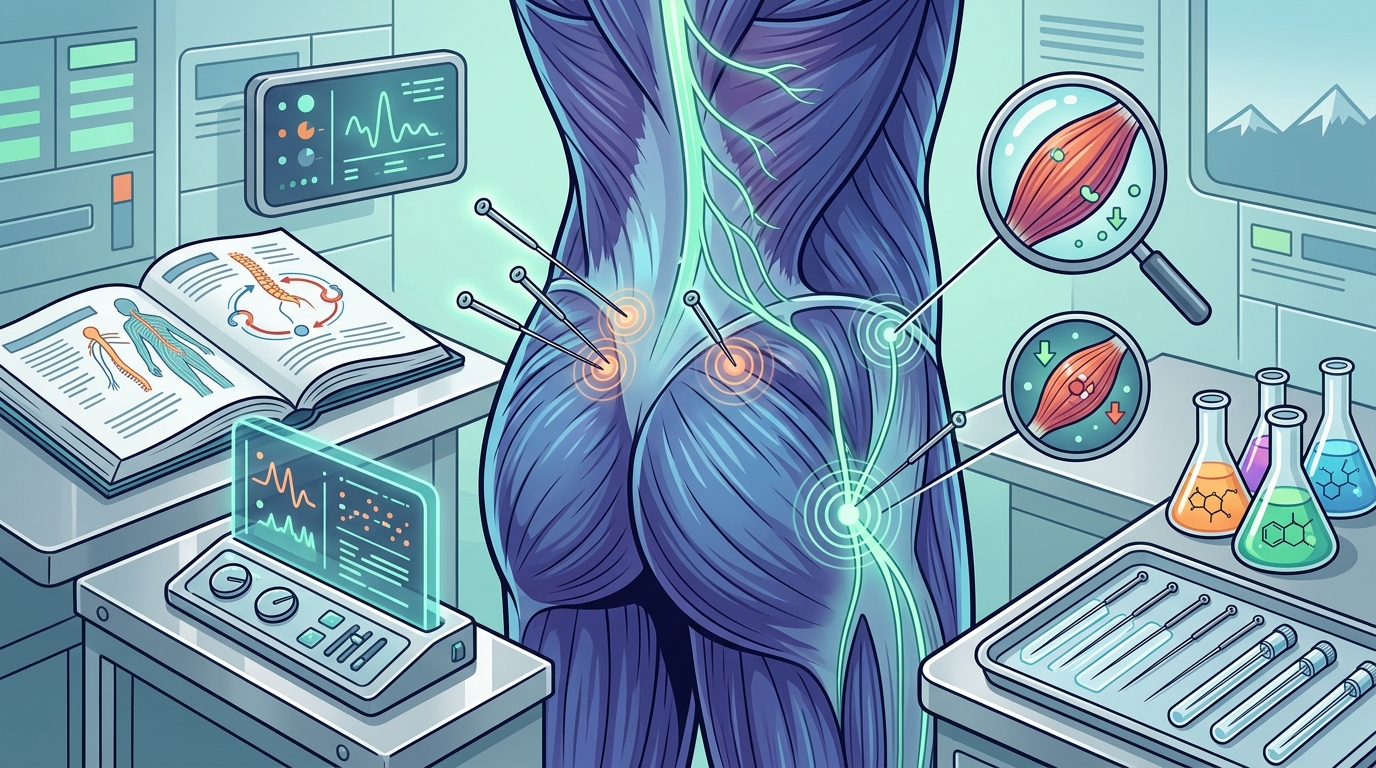
Acupuncture is a specialized therapeutic technique that involves inserting fine needles into specific anatomical points to stimulate neural pathways. When practitioners place needles at targeted locations, they trigger localized nerve endings. This stimulation sends electrical signals to the spinal cord and brain. The central nervous system responds by releasing endogenous opioids and neurotransmitters. These chemical messengers naturally block pain signals before they reach conscious awareness. Patients often experience immediate relaxation following the initial stimulation phase.
Endorphin Release Pathways
The human body produces natural painkillers called endorphins during stimulation sessions. These compounds bind to opioid receptors throughout the central nervous system. This binding process reduces the perception of discomfort without causing sedation. Clinical observations confirm that regular sessions maintain elevated endorphin levels over time. This sustained chemical balance supports long-term recovery goals.
Circulatory and Tissue Effects
Acupuncture is a targeted intervention that improves localized blood flow to injured or restricted tissues. Needle insertion creates micro-trauma that triggers the body's natural healing cascade. This process increases oxygen delivery and removes metabolic waste products from affected areas. Reduced inflammation follows as immune cells migrate to the stimulation site. Patients frequently notice improved mobility alongside decreased stiffness after multiple sessions.
Muscle Relaxation Dynamics
Trigger points in skeletal muscle often refer pain to distant anatomical regions. Needle therapy directly addresses these hyperirritable spots by inducing localized twitch responses. This mechanical response forces contracted muscle fibers to release tension. The resulting decrease in mechanical stress allows surrounding joints to move freely. Many athletes utilize this mechanism to accelerate recovery from sports injuries.
Traditional Framework and Modern Science
Acupuncture is a traditional Chinese medicine practice that maps energy pathways called meridians across the human body. Modern researchers correlate these historical pathways with fascial connective tissue networks. This anatomical alignment explains why stimulation at one location affects distant organs. Traditional practitioners select points based on diagnostic patterns rather than isolated symptoms. Contemporary clinics combine this historical wisdom with evidence-based biomechanical assessments.
Meridian Theory Applications
Historical texts describe over sixty distinct channels that distribute vital energy throughout the physique. Practitioners identify blockages within these channels by evaluating pulse quality and tongue characteristics. Treatment plans target specific nodes to restore balanced flow. Modern imaging studies show that stimulation alters functional connectivity in brain regions responsible for pain processing. This convergence of ancient theory and modern neuroscience validates the practice.
Standard Treatment Protocols
Clinical guidelines recommend initial treatment cycles consisting of weekly sessions over four to six weeks. Practitioners adjust needle depth and retention time based on individual tolerance levels. Most sessions require twenty to thirty minutes of quiet rest. Patients should expect mild soreness or bruising at insertion sites during the first week. Consistent attendance maximizes cumulative therapeutic benefits.
Session Structure and Duration
Each appointment begins with a comprehensive health history review and physical assessment. Practitioners document pain levels and functional limitations to establish baseline metrics. Needle placement follows anatomical landmarks rather than arbitrary locations. Retention periods allow the nervous system to adapt to the stimulation. Follow-up evaluations track progress and modify the treatment plan accordingly.
Integration With Other Therapies
Modern rehabilitation centers rarely rely on needle therapy as a standalone solution. Clinics combine acupuncture with manual therapy techniques to address structural imbalances. This multi-modal approach accelerates recovery timelines for complex injuries. Patients benefit from coordinated care plans that target both symptoms and root causes. Our team-based practice ensures every treatment complements adjacent interventions.
Multimodal Care Coordination
Chiropractic adjustments and physical therapy exercises enhance the longevity of needle therapy results. Shockwave therapy and active release techniques break down scar tissue that restricts movement. Acupuncture manages the inflammatory response while other modalities restore mechanical function. This synergistic strategy reduces overall treatment duration and improves patient satisfaction.
Patient Expectations and Outcomes
Individual responses to needle therapy vary based on injury severity and chronicity levels. Acute conditions typically require fewer sessions than long-standing musculoskeletal disorders. Patients should maintain realistic expectations regarding gradual symptom improvement. Tracking functional milestones provides objective evidence of therapeutic progress. Most individuals report sustained benefits extending well beyond the active treatment phase.
Progress Tracking Methods
Clinicians utilize standardized pain scales and functional movement assessments to monitor recovery. Patients complete brief questionnaires before and after each appointment. These metrics guide dosage adjustments and frequency modifications. Transparent communication ensures that treatment goals align with lifestyle requirements. Consistent documentation creates a clear roadmap for long-term wellness.
Comparative Treatment Options
| Therapy Modality | Primary Mechanism | Typical Session Duration | Best Use Case |
|---|---|---|---|
| Acupuncture | Neuromodulation and endorphin release | 20 to 30 minutes | Chronic pain and stress reduction |
| Chiropractic Care | Spinal alignment and joint mobilization | 15 to 20 minutes | Structural misalignment and nerve compression |
| Physiotherapy | Active movement and muscle re-education | 45 to 60 minutes | Post-injury rehabilitation and strength building |
| Massage Therapy | Soft tissue manipulation and circulation boost | 30 to 60 minutes | Muscle tension and recovery support |
Key Takeaways
- Acupuncture stimulates endogenous opioid release to naturally block pain signals.
- Micro-trauma from needle insertion triggers localized healing cascades and reduces inflammation.
- Traditional meridian theory aligns with modern fascial network mapping.
- Initial treatment cycles typically require weekly sessions over four to six weeks.
- Integration with chiropractic and physiotherapy accelerates functional recovery timelines.
- Our Calgary NW clinic operates extended evening and weekend hours for patient convenience.
- Direct billing to major insurance providers minimizes out-of-pocket expenses for qualified treatments.
Frequently Asked Questions
Does acupuncture cause pain during needle insertion?
Practitioners use ultra-fine stainless steel needles that cause minimal discomfort. Most patients describe the sensation as a dull ache or heavy pressure rather than sharp pain. The nervous system quickly adapts to the stimulation during the first few minutes. Relaxation techniques help patients manage initial anxiety before treatment begins.
How many sessions are required to see results?
Acute injuries often respond to three to five appointments. Chronic conditions typically require eight to twelve sessions to achieve lasting relief. Practitioners adjust frequency based on individual response rates and functional goals. Consistent attendance maximizes cumulative therapeutic benefits over time.
Is acupuncture safe for all medical conditions?
Certified practitioners screen patients for bleeding disorders and pacemaker usage before treatment. Pregnant individuals require specialized point selection to avoid stimulating uterine contractions. Individuals with compromised immune systems should consult their primary physician beforehand. Our team follows strict sterilization protocols to ensure maximum safety.
Can acupuncture replace prescription pain medication?
Many patients successfully reduce their reliance on pharmaceutical analgesics through consistent therapy. Needle stimulation addresses the underlying physiological drivers of discomfort rather than masking symptoms. Physicians often collaborate with therapists to taper medications safely. This coordinated approach minimizes withdrawal risks while maintaining pain control.
What should I wear to my first appointment?
Loose-fitting clothing allows practitioners easy access to standard stimulation points. Patients may need to remove sleeves or pants depending on the treatment area. Our clinic provides disposable gowns for patients who prefer additional coverage. Comfortable attire ensures optimal positioning during the retention period.
How does acupuncture compare to other non-pharmacological treatments?
Needle therapy uniquely targets neurological pathways while other modalities focus on mechanical correction. Physical therapy restores movement patterns through active exercise. Manual therapy addresses soft tissue restrictions through hands-on manipulation. Combining these approaches creates a comprehensive recovery strategy.
Begin Your Recovery Journey
Schedule your initial consultation to explore how needle therapy can support your specific recovery goals. Our experienced practitioners will conduct a thorough assessment and design a personalized treatment plan. Book your appointment today at https://ccstcalgary.com/contact-us/ to secure your preferred time slot. We offer flexible scheduling, direct insurance billing, and a team-based approach designed to fix you in fewer visits. Take the first step toward sustainable pain relief and functional restoration.