
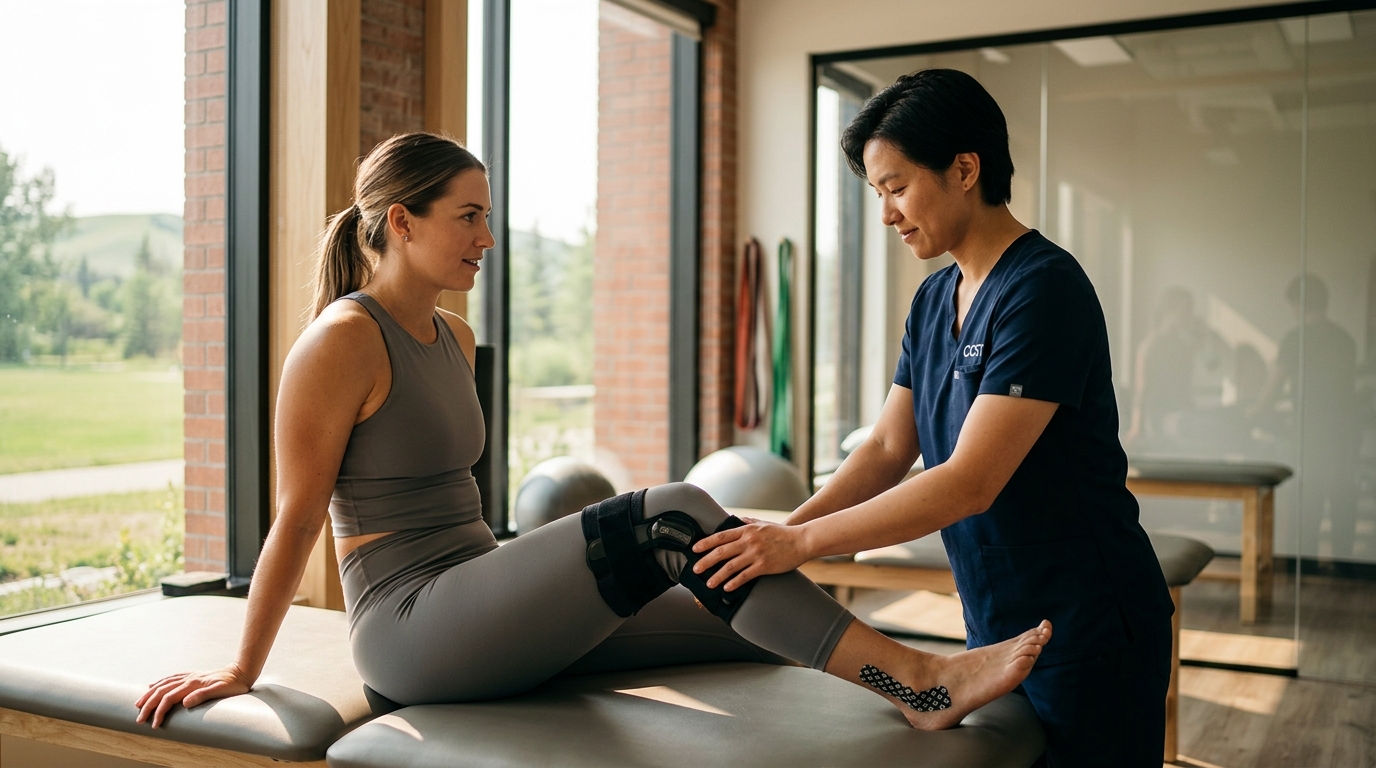
Athletic participation carries inherent physical demands that frequently result in acute musculoskeletal trauma. According to the Centers for Disease Control and Prevention, emergency departments treat over 3.5 million sports-related injuries annually across North America. This high volume of athletic trauma requires immediate, structured clinical intervention to restore functional mobility. Patients seeking care in Northwest Calgary benefit from a coordinated clinical ecosystem that prioritizes rapid tissue repair and long-term joint stability. Understanding the precise therapeutic mechanisms behind each modality ensures faster return-to-play timelines.
Understanding Sports Trauma Mechanisms
Sports trauma occurs when mechanical stress exceeds tissue tolerance thresholds. Acute ligament sprains represent the most common clinical presentation across amateur and professional leagues. These injuries typically involve sudden directional changes or high-impact collisions. Rapid diagnostic imaging and manual assessment establish the precise injury grade. Early intervention prevents chronic compensatory movement patterns. Clinicians in Northwest Calgary utilize standardized grading systems to track tissue healing progression. This structured approach minimizes recurrent injury risks during competitive play.
The Multi-Disciplinary Recovery Model
Recovery protocols require synchronized therapeutic interventions to address complex tissue damage. Comprehensive rehabilitation is a structured clinical framework that integrates multiple manual therapy techniques alongside targeted exercise prescription. Single-modality treatments often fail to address fascial restrictions and neuromuscular imbalances simultaneously. A team-based clinical environment allows practitioners to cross-reference diagnostic findings across disciplines. This collaborative methodology accelerates tissue remodeling and restores optimal biomechanical function. Patients experience reduced recovery timelines when therapies complement rather than compete with one another. Clinicians at Complete Chiropractic and Sports Therapy coordinate care across chiropractic, physiotherapy, and massage therapy departments. This unified approach ensures consistent treatment objectives throughout every recovery phase.
Active Release Technique Protocols
Soft tissue adhesions frequently develop following repetitive athletic movements. Active Release Technique is a patented manual therapy method that targets scar tissue and fibrous adhesions through specific patient movements combined with precise practitioner pressure. This targeted approach breaks down restrictive connective tissue without causing secondary inflammation. Clinicians apply controlled directional stress to restore normal tissue glide and elasticity. Athletes report immediate improvements in range of motion following initial sessions. The technique proves highly effective for chronic tendonitis and muscle strain recovery. Practitioners utilize this method alongside physiotherapy exercises to maximize functional strength restoration.
Shockwave Therapy Applications
Chronic musculoskeletal conditions often resist conventional stretching and rest protocols. Extracorporeal Shockwave Therapy is a non-invasive clinical procedure that delivers high-energy acoustic pulses to stimulate angiogenesis and cellular regeneration. This mechanical stimulation triggers localized inflammatory healing responses in calcified tendons and degenerative tissue. Clinical studies demonstrate significant pain reduction following targeted acoustic treatments. The therapy effectively addresses stubborn heel spurs and lateral epicondylitis. Patients typically require three to five scheduled sessions to achieve optimal tissue remodeling. Clinicians integrate this modality with chiropractic adjustments to restore joint mobility before initiating acoustic therapy.
Comparing Clinical Modalities
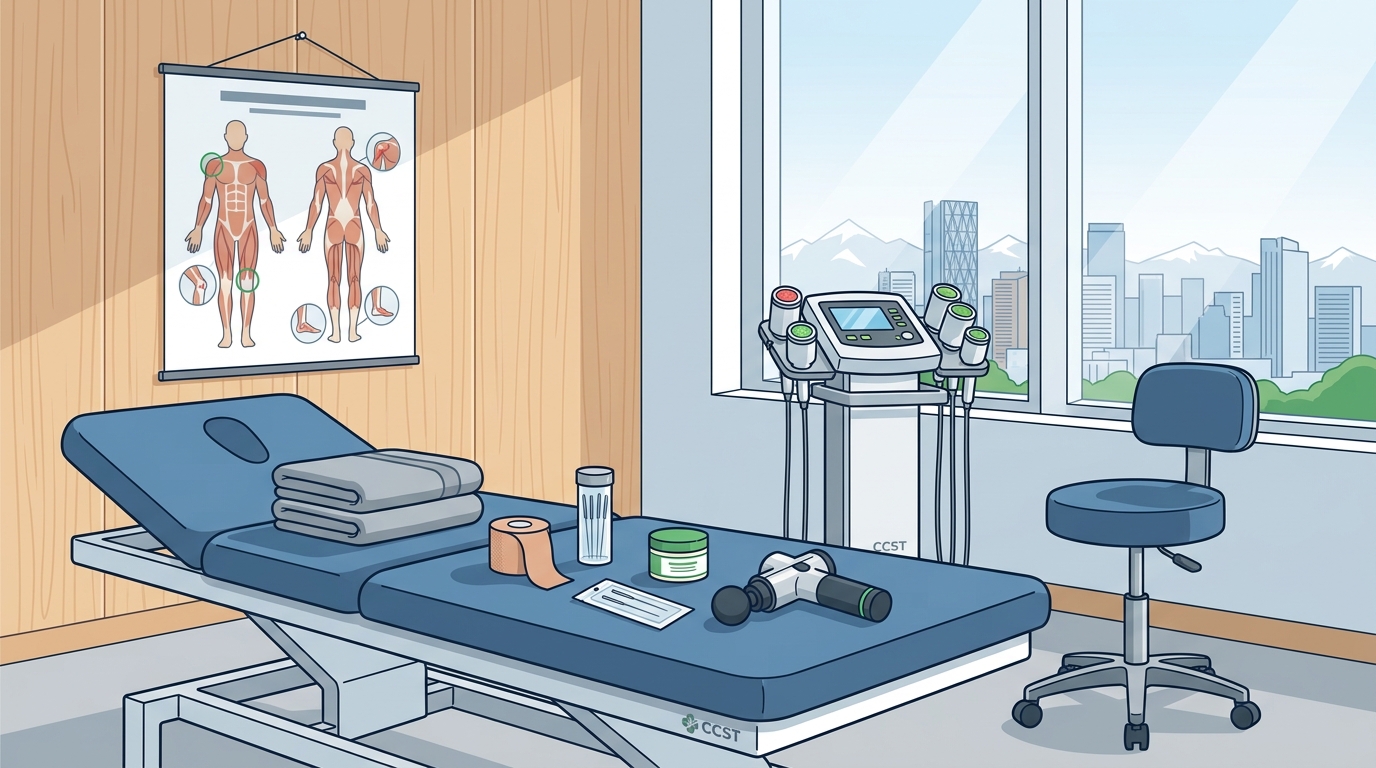
Selecting the appropriate therapeutic pathway depends on injury severity and athletic goals. Clinicians evaluate tissue response patterns to determine the optimal intervention sequence. The following matrix outlines standard clinical applications for common athletic conditions.
| Clinical Modality | Primary Indication | Typical Recovery Timeline | Service Pathway |
|---|---|---|---|
| Chiropractic Adjustment | Joint dysfunction and spinal alignment | 2 to 4 weeks | Chiropractic Care |
| Physiotherapy Exercise | Muscle strengthening and mobility restoration | 4 to 8 weeks | Physiotherapy Services |
| Active Release Technique | Soft tissue adhesions and scar tissue | 3 to 6 weeks | ART® Protocols |
| Shockwave Therapy | Chronic tendon degeneration and calcification | 6 to 10 weeks | Shockwave Treatment |
Key Takeaways
- Emergency departments process over 3.5 million sports-related injuries annually across North America.
- Multi-disciplinary clinics integrate chiropractic, physiotherapy, and massage therapy into unified care plans.
- Active Release Technique specifically targets fibrous adhesions through directional manual pressure.
- Extracorporeal Shockwave Therapy stimulates localized angiogenesis in chronic tendon conditions.
- Direct billing partnerships eliminate out-of-pocket expenses for most major insurance providers.
- Extended operating hours accommodate evening and weekend appointment scheduling.
- Team-based diagnostic protocols ensure precise injury grading and targeted intervention sequencing.
Frequently Asked Questions
How long does typical sports injury recovery take?
Recovery timelines depend on injury severity and tissue type. Mild muscle strains typically resolve within two to three weeks. Moderate ligament sprains require four to six weeks of structured rehabilitation. Severe tendon degeneration may require six to ten weeks of targeted acoustic therapy. Clinicians establish precise milestones during initial diagnostic assessments.
Is direct billing available for athletic rehabilitation services?
Most major insurance providers accept direct billing arrangements at Northwest Calgary clinics. Patients typically experience zero out-of-pocket costs when coverage limits are not exceeded. Administrative staff verify policy details before scheduling initial appointments. This streamlined process removes financial barriers to early intervention.
Can multiple therapy modalities be combined safely?
Coordinated clinical protocols safely integrate multiple manual therapy techniques. Practitioners sequence interventions to prevent tissue overload and maximize adaptive responses. Chiropractic adjustments restore joint mobility before targeted soft tissue work begins. This structured sequencing prevents compensatory strain during recovery phases.
What qualifications do Northwest Calgary practitioners hold?
Clinical teams maintain active provincial licensing and specialized athletic certification. Practitioners complete hundreds of supervised clinical hours before independent patient care. Ongoing education requirements ensure adherence to current evidence-based guidelines. Patients receive care from licensed chiropractors, physiotherapists, and registered massage therapists.
How does concussion management integrate with physical therapy?
Concussion protocols require specialized vestibular and ocular rehabilitation techniques. Clinicians utilize standardized symptom tracking scales to monitor neurological recovery. Graduated return-to-play guidelines prevent secondary injury during cognitive recovery phases. Patients receive structured cognitive rest periods alongside targeted physical exercises.
Book Your Consultation
Early clinical intervention prevents chronic compensatory movement patterns and extends athletic career longevity. Northwest Calgary clinics offer extended operating hours to accommodate professional schedules. Patients can schedule comprehensive diagnostic assessments through the online booking portal. Secure your appointment today and begin your structured recovery pathway. Contact our clinical team to discuss your specific athletic goals and injury history. Our practitioners at Complete Chiropractic and Sports Therapy utilize a unified diagnostic framework to design personalized treatment plans. Visit our main clinic page to explore additional rehabilitation resources and patient education materials.