
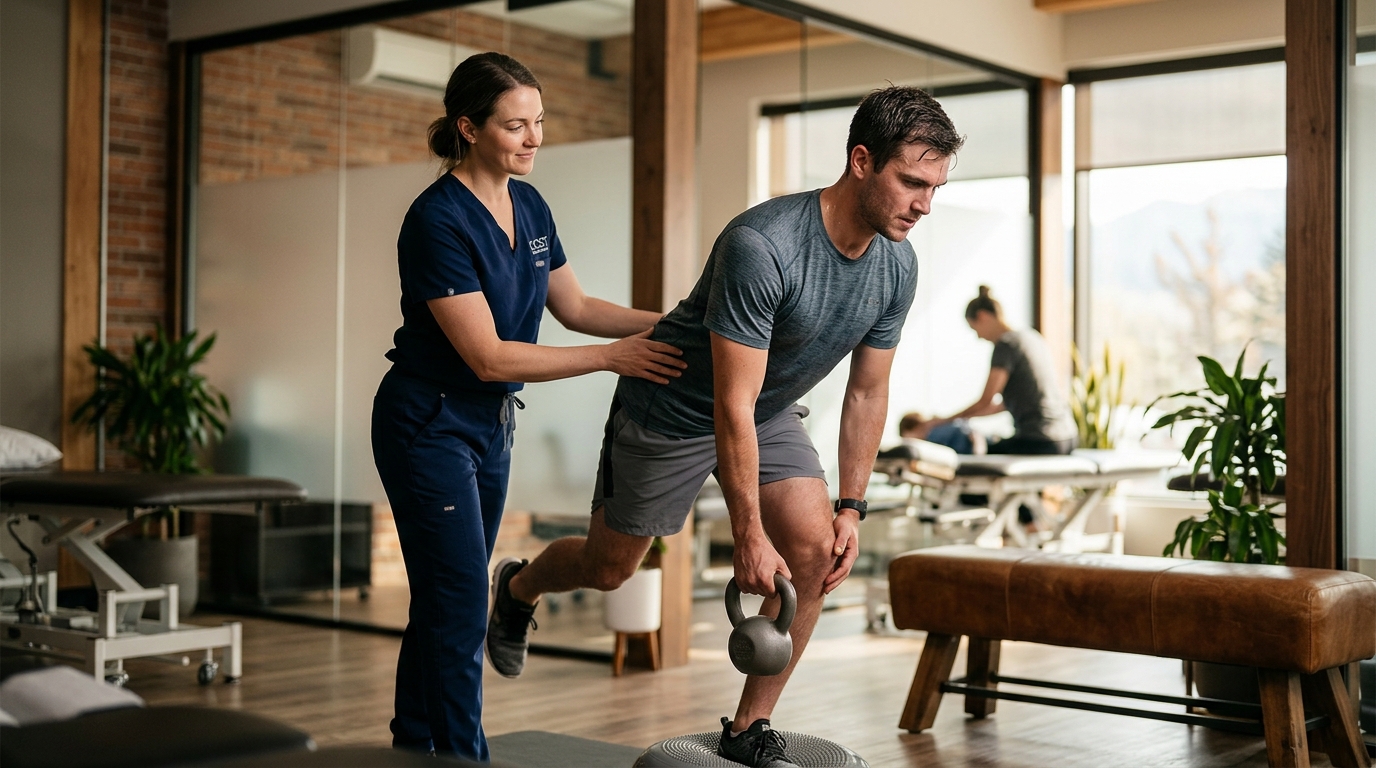
Athletes across Alberta face significant physical setbacks each year. According to national health data, musculoskeletal injuries account for nearly forty percent of all sports-related medical visits. This high frequency demands a structured clinical response rather than isolated symptom management. Calgary sports medicine clinics now prioritize comprehensive diagnostic pathways to restore functional mobility. Patients require evidence-based interventions that address root causes instead of temporary pain relief. Understanding these clinical standards helps athletes select the most effective recovery protocol. Modern rehabilitation frameworks emphasize early mobilization alongside targeted tissue repair.
Understanding Common Athletic Trauma Patterns
Repetitive motion sports generate predictable tissue stress. Running, cycling, and swimming create cumulative microtrauma in connective structures. Team sports introduce sudden directional changes that strain ligaments and joint capsules. musculoskeletal injuries frequently manifest as chronic inflammation when initial recovery protocols remain incomplete. Athletes often ignore early warning signals until functional capacity drops significantly. Clinicians now track movement asymmetry to predict failure points before acute damage occurs. Early intervention reduces long-term disability rates and preserves competitive longevity.
The Complete Multi-Modal Therapy Approach
Isolated treatment methods rarely resolve complex athletic dysfunction. Comprehensive rehabilitation combines multiple clinical disciplines to address structural, neurological, and metabolic recovery factors. Our clinic utilizes a team-based framework where chiropractors, physiotherapists, and massage therapists coordinate care plans. This collaborative model eliminates treatment gaps and accelerates tissue remodeling. Patients receive continuous progress tracking across all therapeutic sessions. Direct billing removes financial friction so athletes focus entirely on recovery milestones. The integrated strategy ensures every visit delivers measurable functional improvements.
Active Release Technique and Shockwave Therapy
Soft tissue adhesions restrict joint range of motion and alter biomechanical efficiency. Active Release Technique is a manual therapy method that targets soft tissue adhesions. Clinicians apply precise directional tension while guiding the patient through specific movements. This mechanical stress breaks down scar tissue and restores normal fiber alignment. Shockwave therapy complements manual work by delivering controlled acoustic pulses to calcified tendons. These acoustic waves stimulate angiogenesis and accelerate cellular repair cycles. Athletes report faster return-to-play timelines when combining both modalities. Active Release Technique remains a cornerstone for chronic overuse conditions.
Chiropractic Adjustments and Concussion Management
Joint dysfunction often originates from spinal misalignments caused by high-impact collisions. Spinal manipulation restores optimal nerve conduction and reduces peripheral inflammation. Concussion management is a structured neurological recovery protocol. Clinicians track vestibular function, ocular tracking, and cognitive load to guide safe return-to-activity phases. Patients undergo gradual exposure to visual and physical stressors. This systematic progression prevents post-concussion syndrome and reduces headache frequency. Chiropractic care addresses both structural alignment and neurological recovery simultaneously. Athletes benefit from reduced medication dependency and improved sleep architecture.
Comparing Treatment Modalities for Athletes
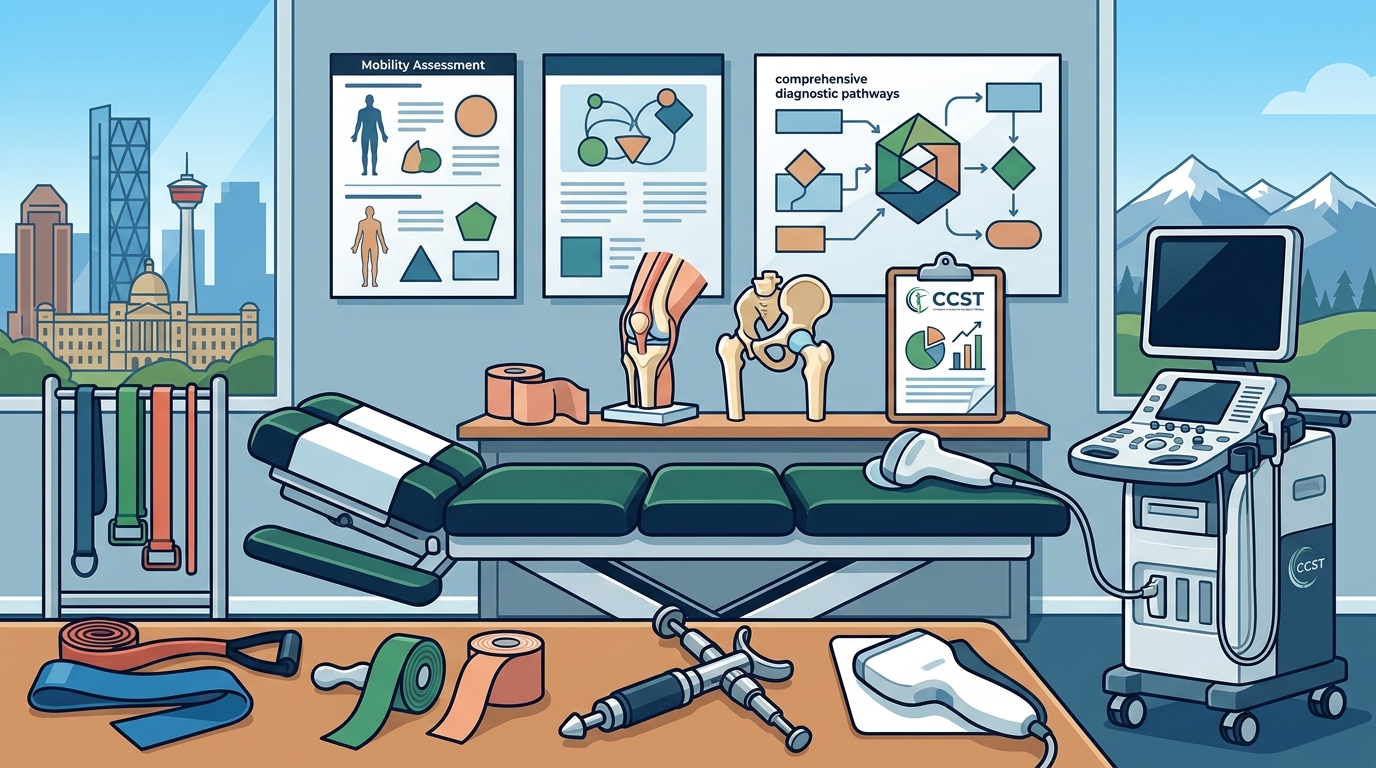
Selecting the optimal recovery pathway requires matching clinical needs to specific injury profiles. The following matrix outlines core therapeutic options and their primary indications.
| Therapy Modality | Primary Clinical Indication | Expected Recovery Timeline | Access Information |
|---|---|---|---|
| Physiotherapy | Post-surgical rehabilitation and mobility restoration | 6 to 12 weeks | View Physiotherapy Services |
| Shockwave Therapy | Chronic tendon calcification and plantar fasciitis | 4 to 8 weeks | View Shockwave Services |
| Concussion Management | Post-traumatic neurological recovery and vestibular rehab | 2 to 6 weeks | View Concussion Services |
| Registered Massage | Myofascial release and circulation optimization | 2 to 4 weeks | View Massage Services |
Each modality serves distinct physiological functions. Clinicians combine these approaches based on individual diagnostic findings. This customized sequencing prevents treatment overlap and maximizes clinical efficiency.
Key Takeaways for Calgary Athletes
- Early clinical intervention reduces chronic disability rates by approximately thirty percent.
- Team-based care models eliminate treatment gaps and accelerate tissue remodeling.
- Active Release Technique specifically targets fibrous scar tissue restrictions.
- Shockwave therapy stimulates localized angiogenesis in calcified tendons.
- Vestibular rehabilitation protocols prevent post-concussion syndrome progression.
- Direct billing partnerships minimize out-of-pocket expenses for insured patients.
- Extended clinic hours accommodate training schedules and professional commitments.
Frequently Asked Questions
How long does a typical sports injury recovery program last?
Recovery timelines depend on injury severity, tissue type, and adherence to home exercise protocols. Most acute soft tissue injuries resolve within four to six weeks. Chronic tendon pathologies typically require eight to twelve weeks of consistent clinical intervention. Clinicians adjust treatment frequency based on weekly functional benchmarks.
Is direct billing available for all major insurance providers?
Our clinic processes claims for nearly every major Canadian insurance provider. Patients receive immediate coverage adjustments without submitting manual paperwork. Remaining balances can be covered through flexible spending accounts or out-of-pocket payments. Our administrative team verifies coverage limits before scheduling initial assessments.
Can multiple therapy modalities be combined during a single visit?
Clinicians frequently integrate manual therapy, joint mobilization, and corrective exercise within one session. This sequential approach maximizes tissue responsiveness and reduces overall treatment duration. Patients experience faster functional gains when modalities complement rather than compete with each other.
What qualifications do your clinical staff members hold?
Our practitioners maintain active registration with provincial regulatory colleges. Each clinician completes hundreds of continuing education hours annually. Specialized certifications include Active Release Technique, Graston Technique, and vestibular rehabilitation. This advanced training ensures evidence-based practice across all patient populations.
How do you determine when an athlete can safely return to competition?
Return-to-play decisions rely on objective functional testing rather than subjective pain reporting. Clinicians measure strength symmetry, joint stability, and sport-specific movement patterns. Patients must demonstrate consistent performance across multiple training cycles before clearance is granted. This conservative approach prevents re-injury and preserves long-term athletic viability.
Are evening and weekend appointments available for working professionals?
Our clinic operates extended hours to accommodate professional schedules and training commitments. Evening slots remain available Monday through Thursday. Weekend appointments open on select Saturdays. Online booking systems allow patients to reserve preferred time blocks instantly.
What diagnostic tools do you utilize for injury assessment?
Clinicians employ standardized orthopedic tests, gait analysis software, and functional movement screenings. These diagnostic instruments identify biomechanical deficits before they progress to structural damage. Imaging referrals occur only when clinical findings require radiological confirmation. This targeted approach minimizes unnecessary healthcare expenditures.
Book Your Comprehensive Assessment Today
Athletes deserve recovery protocols that address root causes rather than temporary symptoms. Our team-based framework combines chiropractic care, physiotherapy, and advanced manual therapies to restore optimal function. Patients benefit from extended clinic hours, direct insurance billing, and evidence-based treatment sequencing. Schedule your initial consultation to begin a structured recovery pathway. Book your appointment online and secure your preferred treatment window today.