

Can Osteopathy Help With Digestive Issues?
According to recent clinical observations, approximately thirty percent of adults experience chronic gastrointestinal discomfort that standard dietary adjustments fail to resolve. Osteopathic manual therapy addresses these persistent symptoms by targeting visceral mobility and autonomic nervous system regulation. This specialized approach focuses on restoring natural organ movement rather than masking pain. Patients seeking comprehensive care often discover that structural alignment directly influences digestive efficiency. Understanding this connection provides a clear pathway to sustainable relief.
Understanding Visceral Mobility and Organ Function
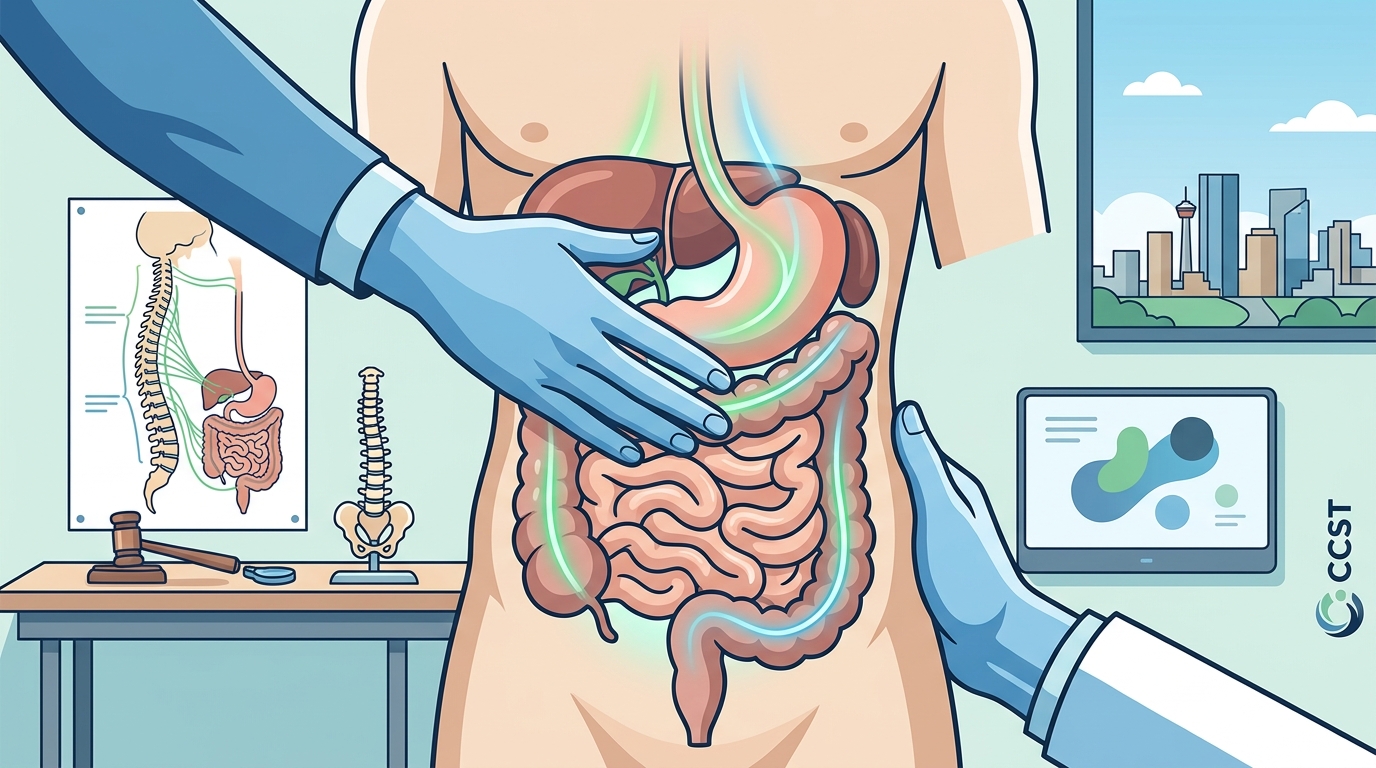
Visceral manipulation is a specialized manual therapy technique that applies gentle pressure to internal organs to restore optimal mobility and function. The abdominal cavity houses highly mobile structures that require consistent movement to maintain healthy physiological processes. When adhesions form from surgery, inflammation, or prolonged poor posture, organ glide becomes restricted. This restriction creates mechanical stress on surrounding connective tissue and compromises blood flow to critical digestive structures.
Our team at Complete Chiropractic and Sports Therapy evaluates these mechanical restrictions through careful palpation and functional assessment. We identify areas where tissue tension interferes with normal peristalsis and nutrient absorption. Restoring this natural glide reduces compensatory strain on the diaphragm and pelvic floor. Patients frequently report improved bowel regularity and reduced abdominal bloating after targeted manual intervention.
The Nervous System Connection to Gut Health
Autonomic regulation refers to the involuntary control of physiological processes, including digestion, heart rate, and respiratory rhythm. The enteric nervous system operates as a secondary brain within the gastrointestinal tract. It communicates directly with the central nervous system through the vagus nerve and spinal pathways. Chronic stress or structural misalignment can disrupt this communication network, leading to dysregulated digestive function.
Research published by the National Institutes of Health indicates that targeted manual interventions can significantly improve vagal tone and parasympathetic activity. Clinical studies demonstrate that restoring structural balance reduces sympathetic overdrive. This neurological shift allows the digestive system to prioritize rest and repair functions. We integrate this neurological understanding into every treatment plan to maximize long-term outcomes.
Common Digestive Conditions Addressed Through Manual Therapy
Gastrointestinal motility describes the coordinated muscular contractions that move food through the digestive tract. When this process becomes inefficient, patients experience a wide range of uncomfortable symptoms. Osteopathic practitioners address these functional disruptions by targeting the root mechanical causes rather than suppressing symptoms with medication.
Chronic Constipation and Irregularity
Restricted colon mobility often stems from pelvic floor tension or diaphragmatic restriction. Manual therapy releases these mechanical barriers to restore normal transit time. Patients report fewer episodes of straining and more consistent bowel movements.
Bloating and Gas Accumulation
Excessive gas retention frequently results from compromised stomach positioning or sluggish small intestine function. Osteopathic techniques gently reposition these structures to improve gas passage and reduce abdominal distension. This approach complements dietary modifications for comprehensive management.
Reflux and Esophageal Discomfort
Structural compression around the lower esophageal sphincter can contribute to acid reflux episodes. We address thoracic alignment and diaphragmatic function to reduce mechanical pressure on the stomach. This structural optimization supports natural sphincter closure and reduces irritation.
What to Expect During a Visceral Osteopathic Session
Our clinic operates on a team-based healthcare model that prioritizes thorough assessment and personalized treatment planning. Every patient receives a comprehensive initial evaluation that includes posture analysis, structural palpation, and functional movement testing. We document specific restrictions and correlate them with your reported symptoms.
Treatment sessions typically last between forty-five and sixty minutes. We utilize gentle, sustained manual pressure to release fascial restrictions and restore organ mobility. The techniques are highly specific and adapted to your individual tolerance levels. Most patients experience immediate improvements in abdominal comfort and digestive ease. We provide clear home care instructions to support your recovery between visits.
Integrating Osteopathy With Conventional Gastrointestinal Care
Osteopathic manual therapy functions as a complementary approach to standard medical care. We collaborate with your primary care physician or gastroenterologist to ensure coordinated treatment. This integrated strategy addresses both structural and biochemical factors contributing to digestive dysfunction.
Patients managing chronic conditions often benefit from combining manual therapy with targeted nutritional guidance. We maintain open communication with your medical team to track progress and adjust protocols as needed. This collaborative framework ensures safe, effective, and sustainable health outcomes. Our facility offers direct billing to major insurance providers, reducing financial barriers to consistent care.
| Digestive Concern | Osteopathic Approach | Expected Clinical Outcome |
|---|---|---|
| Chronic Constipation | Visceral mobilization targeting colon descent | Restored transit time and reduced straining |
| Recurrent Bloating | Diaphragmatic release and stomach repositioning | Decreased abdominal distension and improved gas passage |
| Esophageal Reflux | Thoracic alignment and sphincter support | Reduced acid irritation and improved swallowing mechanics |
| Pelvic Floor Dysfunction | Integrated pelvic therapy and fascial release | Enhanced coordination and reduced pelvic pressure |
Key Takeaways
- Approximately thirty percent of adults experience chronic gastrointestinal discomfort that standard dietary adjustments fail to resolve.
- Visceral manipulation directly improves organ glide and reduces mechanical stress on surrounding connective tissue.
- Restoring autonomic balance through manual therapy enhances parasympathetic activity and digestive efficiency.
- Our Calgary NW clinic utilizes a team-based approach combining osteopathy, physiotherapy, and chiropractic care.
- Direct billing to major insurance providers reduces out-of-pocket expenses for consistent treatment.
- Evening and weekend appointment availability ensures flexible scheduling for working professionals.
- Collaborative care with your primary physician ensures safe, coordinated management of complex digestive conditions.
Frequently Asked Questions
How many osteopathic sessions are typically required to see digestive improvements?
Most patients experience noticeable improvements within four to six sessions. Treatment frequency depends on the severity of structural restrictions and your overall health status. We adjust your care plan based on measurable progress and functional improvements.
Is visceral manipulation safe for patients with recent abdominal surgery?
Our practitioners carefully evaluate surgical history before applying any manual techniques. We modify pressure and approach to respect healing tissues and surgical sites. Clearance from your surgeon is always recommended before beginning treatment.
Can osteopathy replace standard gastrointestinal medications?
Osteopathic therapy complements rather than replaces prescribed medications. We work alongside your prescribing physician to optimize your overall treatment strategy. Never discontinue prescribed medications without direct medical supervision.
What types of digestive conditions respond best to manual therapy?
Functional disorders like constipation, bloating, and mild reflux typically respond most favorably. Structural restrictions that limit organ mobility create the most predictable outcomes. We assess each case individually to determine realistic treatment expectations.
Do you accept walk-in appointments for acute digestive discomfort?
We prioritize scheduling for acute concerns whenever possible. Our clinic maintains flexible availability to accommodate urgent needs. Contact our front desk to discuss your specific symptoms and schedule an appropriate evaluation.
How does osteopathy interact with pelvic health physiotherapy?
These disciplines share overlapping anatomical targets and treatment goals. Our integrated approach ensures coordinated care without redundant interventions. We combine techniques to maximize functional recovery and long-term stability.
Schedule Your Comprehensive Digestive Assessment
Take the first step toward restoring your digestive comfort and structural balance. Our experienced team provides personalized care tailored to your specific needs. Book your appointment online or call our Calgary NW clinic directly. We look forward to supporting your journey toward lasting wellness.