

Chronic digestive discomfort affects millions of people globally, yet many seek relief through medication alone while ignoring the structural mechanics of the body. According to recent gastroenterology studies, up to 60 to 70 million people in the United States alone suffer from chronic digestive disorders, highlighting a massive gap in holistic care options. At Complete Chiropractic & Sports Therapy in Calgary NW, we recognize that the gut is not an isolated organ but a central component of your overall biomechanical health. This article explores how osteopathic principles can address the root causes of digestive distress rather than just masking symptoms.
What Is Osteopathy?
Osteopathy is a form of manual medicine that focuses on the physical manipulation of muscle tissue and bones. Osteopathy is a holistic healthcare discipline that emphasizes the interrelationship between the body's structure and its function. Unlike conventional medicine which often treats symptoms in isolation, osteopathy looks at the entire kinetic chain to identify why a specific organ or system is struggling.
In Calgary, the practice of osteopathy has gained significant traction among patients seeking non-invasive solutions for chronic pain and internal dysfunction. At CCST, our osteopathic practitioners utilize a team-based approach to ensure that your treatment plan is comprehensive. This means we do not just treat the stomach; we treat the spine, the pelvis, and the diaphragm, which all play critical roles in digestive health.
The Gut-Brain Connection
The human body is wired for communication, and the digestive system is no exception. The vagus nerve serves as the primary highway for signals between the brain and the gut. When this nerve is compressed or irritated due to spinal misalignments, digestive function can suffer significantly.
Research indicates that the vagus nerve controls the parasympathetic nervous system, which is responsible for the "rest and digest" state. If your sympathetic nervous system (fight or flight) is overactive due to stress or physical trauma, digestion slows down. This can lead to bloating, acid reflux, and irregular bowel movements. By addressing the structural integrity of the spine, osteopathy helps restore balance to this nervous system.
Mechanisms of Action
How exactly does manipulating the body help the stomach? The answer lies in the specific anatomical relationships between the spine and the abdominal organs.
Thoracic Spine Alignment
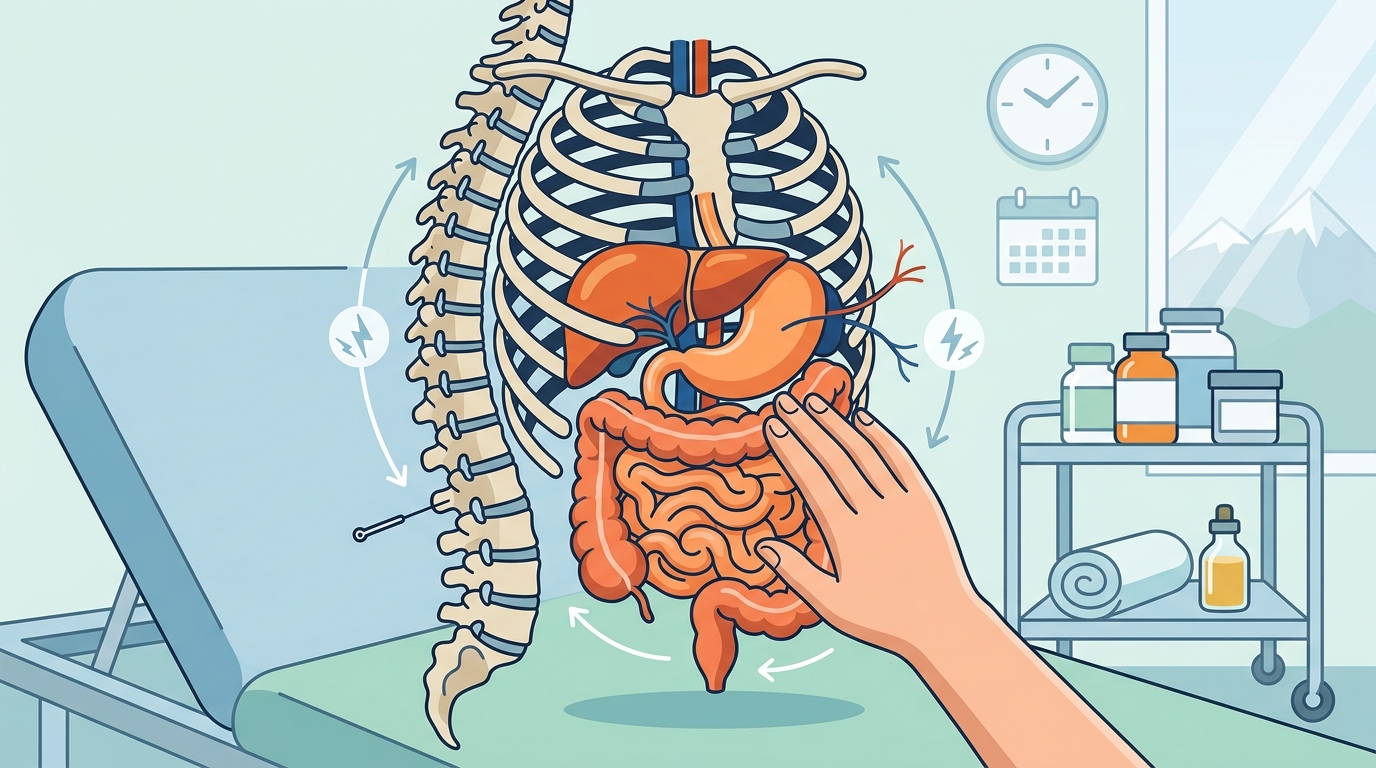
The thoracic spine (mid-back) houses the nerve roots that innervate the stomach, liver, and intestines. Misalignments in this region, often caused by poor posture or previous injuries, can restrict nerve flow to these organs. Osteopathic manipulative treatment (OMT) aims to correct these subluxations, thereby improving neural communication.
Visceral Manipulation
Visceral manipulation is a specialized osteopathic technique that involves gentle manual pressure to mobilize internal organs. Organs are not static; they move and shift as we breathe and digest. If adhesions form due to surgery, infection, or inflammation, organ mobility is restricted. This restriction can cause pain and dysfunction. By manually releasing these adhesions, osteopaths can improve organ function and reduce discomfort.
Diaphragmatic Breathing
The diaphragm is the primary muscle of respiration, but it also acts as a pump for the lymphatic and venous systems in the abdomen. Proper diaphragmatic movement ensures that waste products are efficiently removed from digestive organs. Osteopathy emphasizes diaphragmatic breathing exercises to enhance this natural pumping mechanism, reducing congestion and improving overall gut motility.
Conditions Treated
Osteopathy is not a cure-all, but it is a powerful adjunctive therapy for several common digestive conditions. Patients at CCST often report relief from the following issues after a series of osteopathic sessions:
| Condition | Osteopathic Mechanism | Expected Outcome |
|---|---|---|
| Acid Reflux (GERD) | Thoracic mobilization and diaphragmatic release | Reduced frequency of heartburn and regurgitation |
| Bloating and Gas | Visceral manipulation of the colon | Improved gas transit and reduced abdominal distension |
| Constipation | Pelvic floor and lumbar spine adjustment | Enhanced peristalsis and regular bowel movements |
| Irritable Bowel Syndrome (IBS) | Whole-body stress reduction and nerve optimization | Decreased symptom severity and improved quality of life |
The CCST Approach
At Complete Chiropractic & Sports Therapy, we believe in treating the patient, not just the symptom. Our team-based healthcare approach ensures that your digestive health is viewed through multiple lenses. We combine osteopathy with other modalities such as chiropractic care and physiotherapy to create a robust treatment plan.
For example, if your digestive issues are exacerbated by chronic stress, we may incorporate acupuncture to help regulate your nervous system. If you have a history of trauma, such as a motor vehicle accident, we will assess how that event impacted your spinal alignment and abdominal organs. This comprehensive assessment is key to achieving lasting results.
We also offer registered massage therapy to address muscular tension in the abdomen and back, which can further support osteopathic treatments. Our goal is to fix you in as few treatments as possible, ensuring you get amazing results with fewer visits.
Key Takeaways
- Osteopathy is holistic: It treats the body as an integrated unit, recognizing that spinal health directly impacts organ function.
- Vagus nerve health is critical: Spinal misalignments can compress the vagus nerve, leading to digestive dysfunction.
- Visceral manipulation works: Gentle manual techniques can release adhesions and improve organ mobility.
- Diaphragm function matters: Proper breathing mechanics are essential for lymphatic drainage and gut motility.
- CCST offers integrated care: We combine osteopathy with chiropractic, physio, and massage for comprehensive results.
- Direct billing is available: We direct bill almost every major insurance company to reduce out-of-pocket expenses.
- Flexible scheduling: We offer evenings and weekends to accommodate your busy lifestyle.
Frequently Asked Questions
How many osteopathy sessions do I need for digestive issues?
The number of sessions varies depending on the severity and chronicity of your condition. Many patients experience relief within 3 to 6 sessions, but we tailor our treatment plans to your individual needs during your initial assessment.
Is osteopathy painful?
No, osteopathic manipulative treatment is generally gentle and non-invasive. Techniques are adjusted to your comfort level, and most patients find the sessions relaxing rather than painful.
Can osteopathy replace my gastroenterologist?
Osteopathy is a complementary therapy, not a replacement for medical diagnosis. We work alongside your medical team to provide holistic support for your digestive health.
Do you treat children with digestive issues?
Yes, our practitioners are trained to treat patients of all ages. Pediatric osteopathy is particularly effective for issues like colic and reflux in infants.
What is the cost of an osteopathy session?
Costs vary based on the length and type of treatment. We recommend checking with your insurance provider as we direct bill most major companies. You can view our service details for more information.
How do I book an appointment?
You can book online 24/7 through our website or call our clinic directly. We also offer email and text reminders to ensure you never miss an appointment.
Book Your Consultation
If you are struggling with digestive issues, do not wait for the problem to worsen. Early intervention through osteopathy can prevent chronic conditions and improve your overall quality of life. At Complete Chiropractic & Sports Therapy, we are committed to providing the highest care possible on every visit.
Take the first step towards better digestive health. Contact us today to schedule your initial assessment. Our team in Calgary NW is ready to help you achieve lasting relief through our unique, multi-therapy approach.