
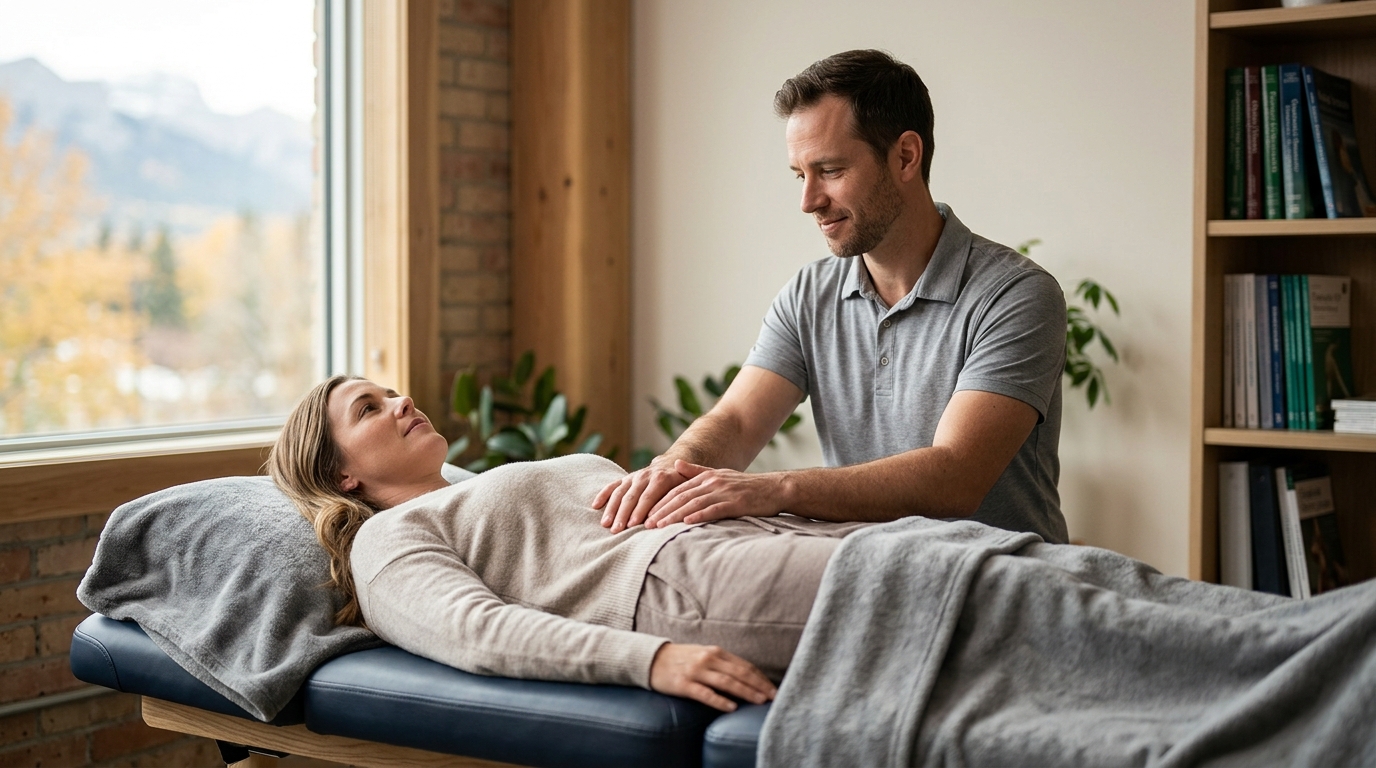
Can Osteopathy Help With Digestive Issues?
Digestive discomfort affects millions of people globally, yet many seek relief through medication alone while ignoring the structural mechanics of the body. According to recent health data, approximately 30 percent of adults suffer from functional gastrointestinal disorders that do not respond well to standard pharmaceutical interventions. This statistic highlights a critical gap in traditional care models. At Complete Chiropractic & Sports Therapy in NW Calgary, we address these issues by treating the body as an interconnected system. Osteopathy offers a non-invasive pathway to restore function and reduce chronic digestive distress. (About Us Complete Chiropractic)
What Is Osteopathy?
Osteopathy is a holistic branch of medicine that focuses on the physical manipulation of muscle tissue and bones. It is based on the principle that the body has an inherent ability to heal itself. Osteopaths look beyond the immediate symptom to identify underlying structural imbalances that may be causing pain or dysfunction. (Services Complete Chiropractic And)
In the context of digestive health, osteopathy is not just about the stomach or intestines. It involves the thoracic and lumbar spine, the ribs, and the pelvic floor. When these structures are restricted, they can impede the nervous system's ability to regulate digestive organs effectively. Our team at CCST utilizes this framework to provide comprehensive care. We combine osteopathic techniques with other modalities to ensure the best possible outcome for every patient. (Chiropractor Physiotherapy Massage Osteopathy)
The Gut-Brain Axis Connection
The human body relies on a complex network of nerves to communicate between the brain and the digestive tract. This network is known as the enteric nervous system. It is often referred to as the "second brain" because it operates independently to control digestion. However, it is heavily influenced by the central nervous system. (Blog Complete Chiropractic And)
Stress and physical tension in the spine can disrupt this communication. When the thoracic spine is stiff or the diaphragm is restricted, it can limit the movement of the diaphragm. This restriction reduces the efficiency of the vagus nerve, which is responsible for the "rest and digest" response. Without proper vagal tone, the body remains in a state of stress, leading to poor digestion, bloating, and irregular bowel movements.
Research indicates that the vagus nerve plays a pivotal role in modulating inflammation and gut motility. By addressing the structural components that affect this nerve, osteopathy can help restore balance. This approach is particularly effective for patients who have tried traditional treatments without success. It offers a root-cause solution rather than a temporary fix.
Mechanisms of Osteopathic Relief
Osteopathic treatment for digestive issues works through several specific mechanisms. These mechanisms target the physical structures that support and regulate the digestive organs.
Diaphragmatic Release
The diaphragm is the primary muscle of respiration. It sits directly above the stomach, liver, and spleen. When the diaphragm is tight or dysfunctional, it can compress these organs. This compression limits their ability to expand and contract properly during digestion. Osteopathic techniques focus on releasing tension in the diaphragm to allow for full expansion. This release improves blood flow and reduces pressure on the digestive tract.
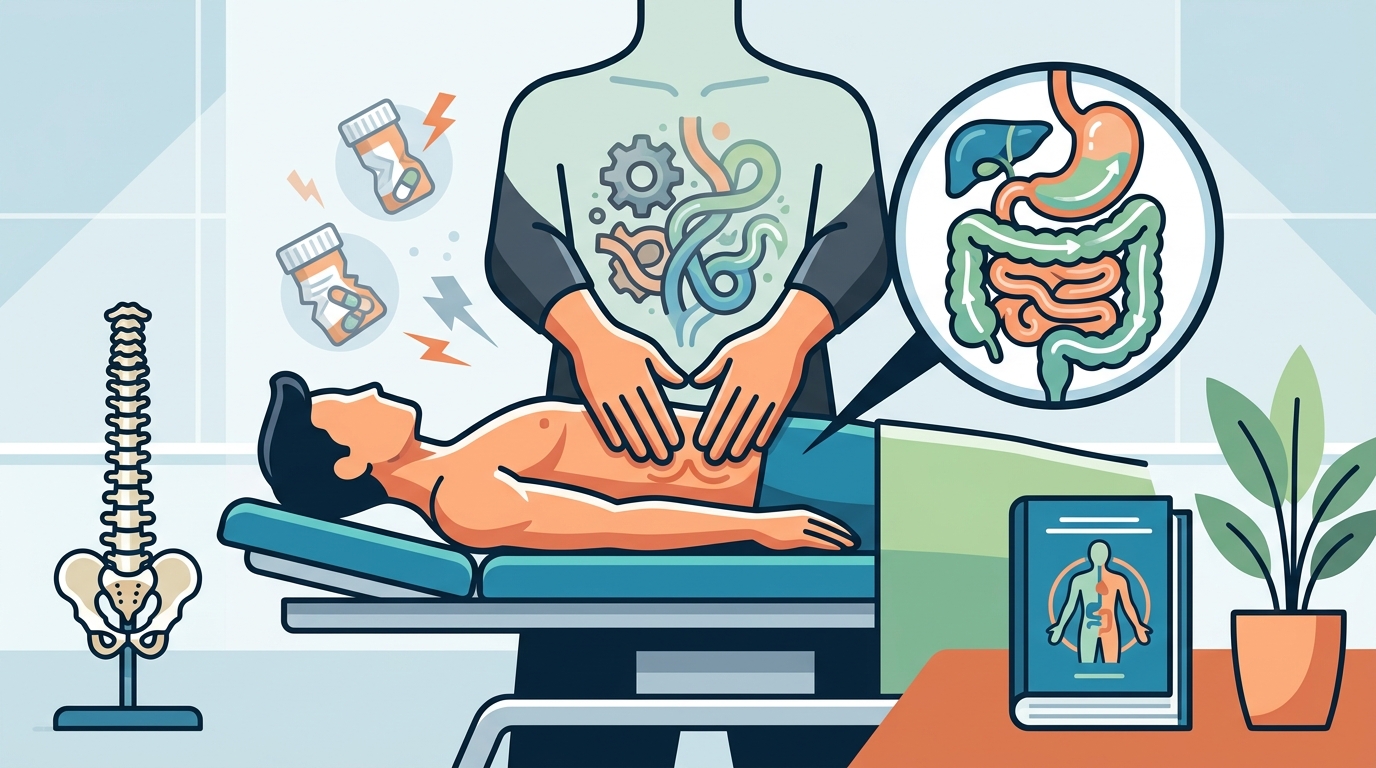
Visceral Manipulation
Visceral manipulation involves gentle, specific manual therapy applied to the internal organs. The goal is to restore mobility to organs that have become adhered or restricted due to scar tissue, inflammation, or previous surgery. For example, the colon can become fixed in place due to chronic constipation or inflammation. By gently mobilizing the colon, osteopaths can improve peristalsis, which is the wave-like muscle contractions that move food through the digestive system.
Spinal and Rib Mobilization
The nerves that supply the digestive organs exit the spine at specific levels. The stomach and small intestine are primarily innervated by nerves from the thoracic spine. The large intestine and pelvic organs are influenced by nerves from the lower thoracic and lumbar regions. If these spinal segments are restricted or misaligned, nerve signaling to the organs can be impaired. Osteopathic adjustments help restore normal joint mobility, which optimizes nerve function and supports healthy digestive processes.
Conditions Treated by Osteopathy
Osteopathy can be beneficial for a wide range of digestive complaints. It is particularly effective for functional disorders where structural issues contribute to symptoms. Below is a summary of common conditions treated at our NW Calgary clinic.
| Condition | Common Symptoms | Osteopathic Focus |
|---|---|---|
| Irritable Bowel Syndrome (IBS) | Bloating, cramping, alternating constipation and diarrhea | Visceral mobilization of the colon and diaphragmatic release |
| Acid Reflux (GERD) | Heartburn, regurgitation, chest pain | Thoracic spine mobilization and lower rib release |
| Chronic Constipation | Infrequent bowel movements, straining, abdominal pain | Pelvic floor assessment and lumbar spine adjustment |
| Post-Surgical Adhesions | Abdominal pain, restricted mobility, digestive slowdown | Gentle scar tissue mobilization and fascial release |
Each patient receives a unique treatment plan based on their specific needs. We do not believe in one-size-fits-all solutions. Our team-based approach ensures that we consider all aspects of your health, including your posture, stress levels, and physical activity.
The CCST Treatment Process
At Complete Chiropractic & Sports Therapy, we prioritize a thorough assessment before beginning any treatment. This ensures that we address the root cause of your digestive issues. Our process is designed to be efficient and effective.
Initial Assessment
During your first visit, one of our osteopaths will conduct a detailed history and physical examination. We will look for structural restrictions in your spine, ribs, and pelvis. We also assess your breathing patterns and diaphragm function. This comprehensive evaluation helps us identify the specific areas contributing to your digestive discomfort.
Integrated Treatment
Treatment sessions typically last between 30 to 45 minutes. We use a combination of osteopathic techniques, including visceral manipulation, soft tissue therapy, and joint mobilization. We may also incorporate other modalities such as Active Release Technique (ART®) or Graston Technique to address fascial restrictions. Our goal is to provide immediate relief while working towards long-term resolution.
Home Care and Prevention
Osteopathy is most effective when combined with lifestyle changes. We provide guidance on breathing exercises, posture correction, and dietary adjustments. These strategies help maintain the improvements made during treatment. We also offer direct billing to most major insurance companies, making care more accessible. Our clinic is open evenings and weekends to accommodate your schedule.
Key Takeaways
- Osteopathy treats the root cause: It addresses structural restrictions in the spine and ribs that affect nerve function and organ mobility.
- Visceral manipulation is key: This technique restores mobility to digestive organs, improving peristalsis and reducing bloating.
- The diaphragm plays a major role: Releasing diaphragmatic tension improves vagal tone and supports the "rest and digest" response.
- CCST offers a team-based approach: Our osteopaths work closely with chiropractors and physiotherapists for comprehensive care.
- Direct billing is available: We bill most major insurance companies to reduce out-of-pocket expenses for our patients.
- Flexible scheduling: Our NW Calgary clinic offers extended hours, including evenings and weekends, for your convenience.
- Non-invasive relief: Osteopathy provides a drug-free alternative for managing chronic digestive conditions like IBS and GERD.
Frequently Asked Questions
How many osteopathy sessions do I need for digestive issues?
The number of sessions varies depending on the severity and duration of your condition. Many patients experience relief after just a few visits. However, chronic conditions may require a longer treatment plan to achieve lasting results. Our team will provide a personalized estimate during your initial assessment.
Is osteopathic treatment painful?
Osteopathic treatment is generally gentle and non-invasive. While you may feel some discomfort during visceral manipulation, it is typically tolerable and leads to significant relief. We always communicate with you to ensure you are comfortable throughout the session.
Can osteopathy cure IBS?
Osteopathy can significantly reduce the symptoms of Irritable Bowel Syndrome (IBS) by addressing the underlying structural and neurological factors. While it may not "cure" the condition in all cases, it can help manage symptoms and improve quality of life. Many patients find that their symptoms decrease substantially with regular treatment.
Do you accept walk-ins for osteopathy?
We recommend booking an appointment in advance to ensure availability. However, we do accommodate urgent cases when possible. You can book online 24/7 through our website or call our clinic directly.
Does osteopathy help with acid reflux?
Yes, osteopathy can be very effective for acid reflux. By mobilizing the thoracic spine and lower ribs, we can reduce tension on the esophagus and improve the function of the lower esophageal sphincter. This helps prevent stomach acid from flowing back into the esophagus.
What is the difference between osteopathy and chiropractic care?
While both disciplines focus on the musculoskeletal system, osteopathy places a stronger emphasis on the internal organs and their relationship to the skeletal structure. Chiropractic care primarily focuses on spinal alignment and nervous system function. At CCST, we integrate both approaches to provide the best possible care for our patients.
Is osteopathy covered by insurance?
Most major insurance companies in Canada cover osteopathic treatment. We offer direct billing services, which means we can bill your insurance company directly. This reduces or eliminates your out-of-pocket expenses. Please contact our front desk to verify your coverage.
Book Your Consultation
If you are struggling with digestive issues, do not wait for the problem to worsen. Osteopathy offers a safe, effective, and non-invasive solution. Our team at Complete Chiropractic & Sports Therapy in NW Calgary is ready to help you regain your health and vitality.
We are located off of Memorial Drive West at the corner of Kensington Road and Parkdale Blvd. Free parking is available in the lot just west of our front door. You can also find us easily via Calgary Transit.
Take the first step towards relief. Book your osteopathy appointment online today or contact our clinic to schedule a consultation. Let us help you fix your digestive health with a complete, patient-centered approach.