
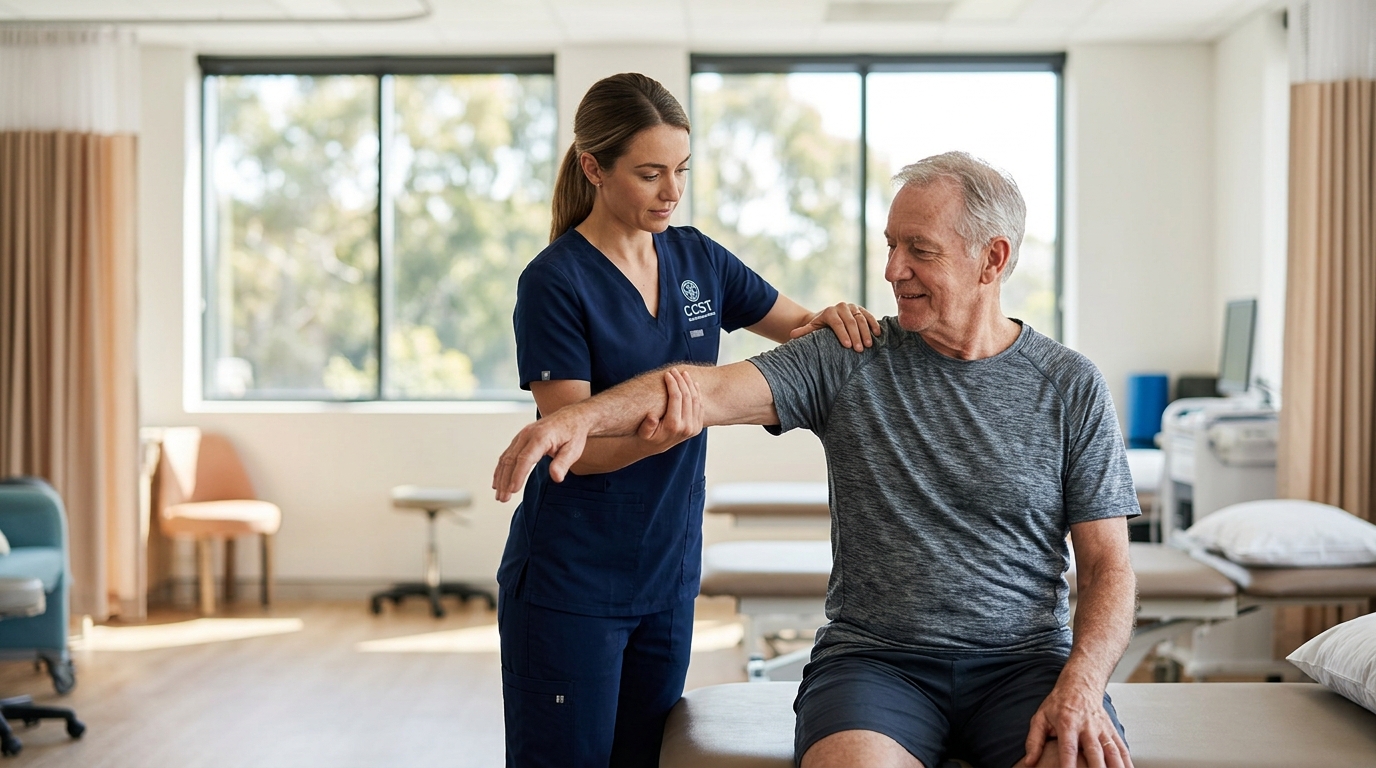
Joint mobility is the foundation of human movement, yet it is often taken for granted until pain or stiffness sets in. According to recent health data, nearly one in five adults in North America reports having doctor-diagnosed arthritis, a condition that directly restricts joint range of motion. This statistic highlights the critical need for effective, non-surgical interventions that restore function and reduce discomfort. Physiotherapy stands as the primary clinical solution for addressing these limitations through targeted, evidence-based manual and exercise therapies.
Understanding Joint Mobility vs. Flexibility
Before diving into treatment methods, it is essential to distinguish between mobility and flexibility, two terms often used interchangeably but clinically distinct. Flexibility is the ability of a muscle to lengthen passively. In contrast, mobility is the ability of a joint to move actively through its full range of motion. You can have highly flexible hamstrings but still suffer from poor hip mobility if the joint capsule or surrounding ligaments are restricted.
At Complete Chiropractic & Sports Therapy (CCST), we assess this distinction carefully. Many patients in Calgary NW come to us believing they simply need to "stretch more." However, if the joint itself is hypomobile (stiff), stretching the surrounding muscles can actually increase instability and pain. True mobility requires the coordination of the joint surfaces, the nervous system, and the muscular system working in harmony.
How Physiotherapy Restores Movement
Physiotherapy improves joint mobility by addressing the root causes of restriction, which are rarely just "tight muscles." The approach at CCST is a team-based healthcare model, ensuring that chiropractic, physiotherapy, and massage therapy practitioners collaborate on your diagnosis. This multi-therapy approach ensures you receive the highest care possible on every visit.
The primary mechanisms through which physiotherapy restores mobility include:
- Neuromuscular Re-education: Teaching the nervous system to allow muscles to relax and lengthen during movement.
- Tissue Remodeling: Using controlled stress to break down scar tissue and adhesions in the fascia and joint capsules.
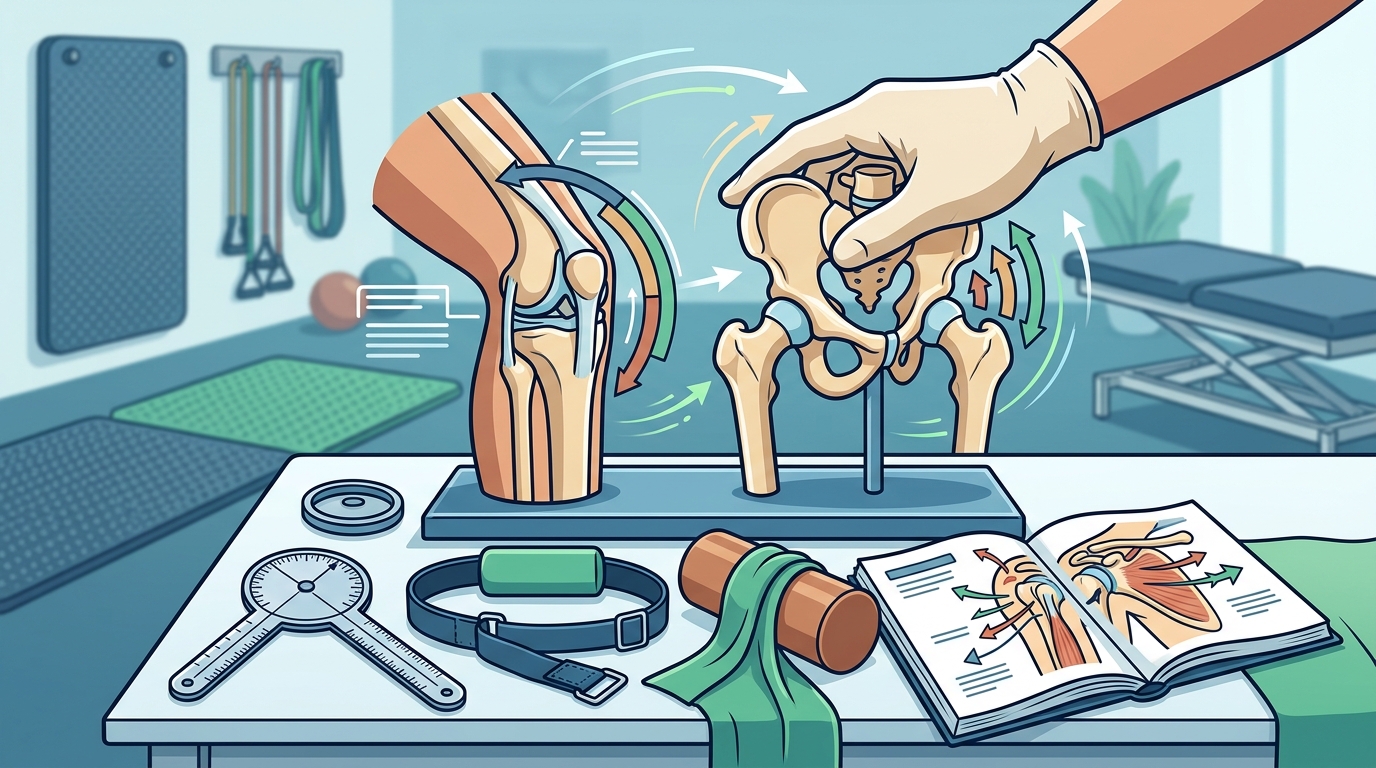
- Joint Arthrokinematics: Restoring the normal sliding and rolling motions of the joint surfaces.
Research indicates that manual therapy combined with exercise is significantly more effective for chronic pain and mobility issues than either treatment alone. This synergy is the core of our "Complete" style of therapy, which uses multiple different techniques and approaches together.
Manual Therapy Techniques
Manual therapy involves hands-on techniques performed by licensed practitioners to mobilize joints and soft tissues. At CCST, we utilize several advanced modalities to accelerate recovery.
Active Release Technique (ART®)
Active Release Technique is a patented, state-of-the-art soft tissue system that moves and manipulates the muscle, tendons, ligaments, fascia, and nerves. ART is a specific diagnostic and treatment method for soft tissue injuries. It works by breaking up adhesions that form in the muscle fibers, which often restrict joint movement and cause pain. This technique is particularly effective for athletes and individuals with repetitive strain injuries.
Graston Technique
The Graston Technique involves the use of specialized stainless steel instruments to detect and break down scar tissue and fascial restrictions. By applying precise pressure, therapists can stimulate blood flow and accelerate the healing process. This method is often used for chronic conditions like plantar fasciitis and tennis elbow, which can alter gait and reduce overall joint mobility.
Shockwave Therapy
For deeper tissue issues, we offer Shockwave therapy. This treatment uses high-energy sound waves to stimulate healing in chronic tendon and muscle injuries. By promoting angiogenesis (the formation of new blood vessels), shockwave therapy helps restore tissue elasticity and joint function where traditional methods have failed.
Exercise and Strengthening Protocols
While manual therapy provides immediate relief, long-term mobility gains are achieved through targeted exercise. Our physiotherapists, such as Bridget Pyke and Ken Falconer, design personalized rehabilitation programs that focus on:
- Active Range of Motion (AROM): Exercises where you move the joint yourself, ensuring the nervous system is engaged.
- Strengthening: Building strength in the muscles surrounding the joint to provide stability. Weak muscles force the joint to compensate, leading to further stiffness.
- Proprioception: Retraining the body's sense of position in space, which is crucial for safe movement after an injury.
For example, if a patient has limited shoulder mobility due to rotator cuff pain, we do not just stretch the shoulder. We strengthen the scapular stabilizers to ensure the shoulder blade moves correctly, allowing the arm to lift freely. This holistic approach ensures that the joint is not just mobile, but also stable and functional.
Common Conditions Addressed
Physiotherapy is effective for a wide range of conditions that restrict joint mobility. At CCST, we treat many conditions including low back pain, neck pain, sciatic pain, and runner’s knee. Below is a summary of how different therapies address specific mobility issues.
| Condition | Primary Mobility Restriction | Recommended CCST Treatment |
|---|---|---|
| Rotator Cuff Pain | Shoulder abduction and external rotation | ART® and Scapular Strengthening |
| Plantar Fasciitis | Ankle dorsiflexion | Graston Technique and Calf Stretching |
| Sciatic Pain | Hip flexion and hamstring flexibility | Chiropractic adjustments and Nerve Glides |
| TMJ Pain | Jaw opening and lateral movement | Massage Therapy and Postural Correction |
Additionally, for patients recovering from motor vehicle accidents, our specialized MVA Treatment program addresses whiplash-related stiffness in the cervical spine, which is a common cause of restricted neck mobility.
Key Takeaways
- Distinction is Key: Mobility is active joint movement, while flexibility is passive muscle length. Both are required for full function.
- Team-Based Approach: CCST integrates chiropractic, physiotherapy, and massage therapy to address the root cause of stiffness.
- Advanced Modalities: Techniques like ART® and Graston are used to break down scar tissue and improve tissue elasticity.
- Active Rehabilitation: Exercise is crucial for maintaining gains and ensuring joint stability after mobility is restored.
- Direct Billing: CCST direct bills almost every major insurance company, reducing out-of-pocket expenses for patients.
- Convenient Access: With the longest hours of operation in the city, we offer evenings and weekends to fit your schedule.
- Proven Results: With over 190 5-star reviews, CCST is recognized as one of the top-rated sports therapy clinics in Calgary.
Frequently Asked Questions
How long does it take to regain joint mobility?
Recovery time varies based on the severity of the restriction and the underlying cause. Acute restrictions may improve in 2-4 weeks, while chronic conditions can take 3-6 months of consistent therapy. Our team creates a timeline tailored to your specific healthcare goals.
Is physiotherapy painful?
Some discomfort may occur during manual therapy or stretching, but it should never be unbearable. We aim for a "good hurt" that leads to relief. If pain is sharp or severe, we adjust the technique immediately to ensure patient safety.
Can I improve mobility without seeing a therapist?
While home exercises are important, self-treatment often lacks the precision needed to address joint hypomobility. Without proper diagnosis, you may stretch the wrong tissues or aggravate an injury. Professional guidance ensures safe and effective progress.
What is the difference between physiotherapy and chiropractic care for mobility?
Chiropractic care focuses on joint alignment and nervous system function, while physiotherapy focuses on muscle balance, strength, and active movement. At CCST, we combine both to provide a comprehensive solution for joint mobility issues.
Do you treat athletes for mobility issues?
Yes, we specialize in sports therapy. Our Active Release Technique and rehabilitation protocols are designed to get athletes back to peak performance quickly and safely.
How do I book an appointment?
You can book online quickly and easily anytime you need through our 24/7 online booking system. You can also call us or send us an email for assistance.
Book Your Assessment
Don't let joint stiffness limit your life. Whether you are suffering from chronic pain, recovering from an injury, or looking to improve your athletic performance, the team at Complete Chiropractic & Sports Therapy is here to help. We offer a unique one-on-one approach to help you get amazing results with fewer visits.
Visit our Contact Us page to schedule your assessment today. Located in NW Calgary, we are committed to fixing you in as few treatments as possible. Book Online now to start your journey to better mobility.