
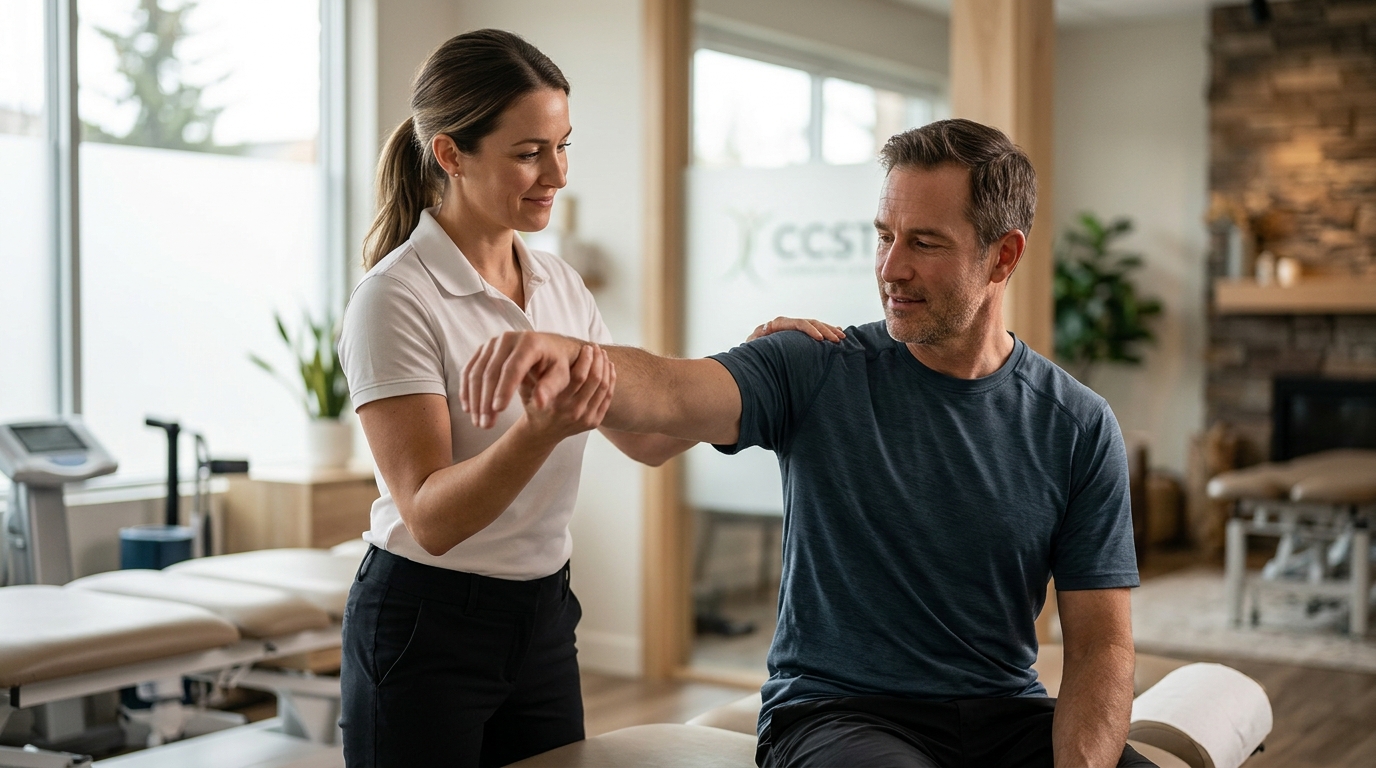
Joint mobility is the foundation of human movement, yet it is often the first thing to decline due to injury, aging, or sedentary lifestyles. According to recent health data, nearly 60% of adults experience some form of joint stiffness or restricted movement that impacts their daily activities. This statistic highlights why understanding the mechanics of joint health is critical for long-term wellness. At Complete Chiropractic & Sports Therapy (CCST) in NW Calgary, we utilize a team-based approach to restore function and eliminate pain through targeted physiotherapy interventions.
Understanding Joint Mobility and Its Importance
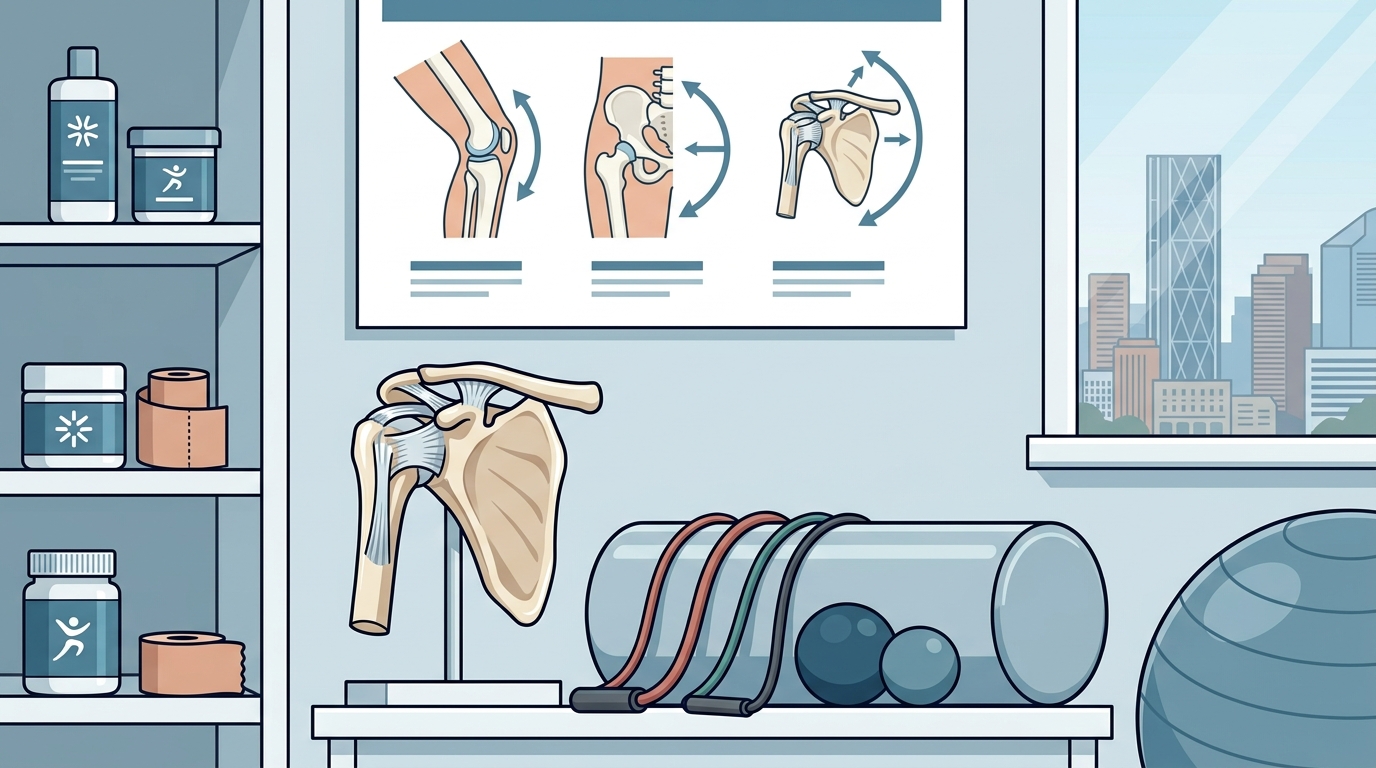
Joint mobility refers to the ability of a joint to move freely through its full range of motion. It is distinct from flexibility, which primarily concerns the length of muscles and tendons. Mobility requires coordination between the joint capsule, ligaments, muscles, and nervous system. When these components function harmoniously, movement is smooth and pain-free. When they do not, stiffness, pain, and compensatory injuries often follow.
Restricted mobility can stem from various sources, including acute trauma, chronic inflammation, or prolonged inactivity. For example, sitting at a desk for eight hours a day can cause the hip flexors to shorten, leading to reduced hip mobility. This restriction can then alter pelvic alignment, causing lower back pain. Addressing these issues early through professional assessment is vital to prevent further degeneration.
At Complete Chiropractic & Sports Therapy, we believe in a "Complete" approach to therapy. This means we do not just treat the symptom but look at the entire kinetic chain to ensure true patient-centered care. Our goal is to fix you in as few treatments as possible by addressing the root cause of your mobility issues.
How Physiotherapy Restores Range of Motion
Physiotherapy improves joint mobility through a combination of manual therapy, therapeutic exercise, and patient education. The process begins with a thorough assessment to identify specific restrictions. Physiotherapists at CCST, such as Bridget Pyke and Ken Falconer, use evidence-based techniques to restore normal joint mechanics.
Manual Therapy and Soft Tissue Mobilization
Manual therapy involves hands-on techniques to mobilize joints and soft tissues. This can include joint mobilizations, where the therapist applies gentle pressure to move the joint beyond its current limit. This helps to break up adhesions and improve the glide of joint surfaces. Soft tissue mobilization targets the muscles and fascia surrounding the joint. Tight muscles can pull on bones, restricting movement. By releasing these tensions, the joint is free to move more naturally.
Therapeutic Exercise and Strengthening
While manual therapy provides immediate relief, therapeutic exercise ensures long-term mobility. Strengthening the muscles around a joint provides stability and support. Weak muscles often lead to poor joint alignment, which causes pain and further restriction. Our physiotherapists design personalized exercise programs that target these weak links. This approach ensures that the gains made in the clinic are maintained at home.
Neuromuscular Re-education
The nervous system plays a crucial role in joint mobility. In cases of chronic pain, the nervous system may protect the joint by limiting movement, even when the tissue is healed. This is known as a protective guarding response. Physiotherapy helps to retrain the nervous system to allow full range of motion. Techniques such as proprioceptive neuromuscular facilitation (PNF) are often used to improve this communication between the brain and the muscles.
Key Physiotherapy Techniques for Joint Health
At CCST, we offer a variety of specialized techniques to address joint mobility issues. These techniques are often used in conjunction with standard physiotherapy to enhance results.
Active Release Technique (ART®)
Active Release Technique is a patented, state-of-the-art soft tissue system that treats problems with muscles, tendons, ligaments, fascia, and nerves. ART® is particularly effective for conditions where scar tissue has formed, restricting movement. By applying tension while the patient moves the joint, the therapist can break up scar tissue and restore normal tissue texture and function.
Graston Technique
The Graston Technique involves the use of specialized instruments to detect and break down scar tissue and adhesions. This technique is highly effective for chronic conditions where traditional manual therapy may not reach deep enough. It promotes healing by increasing blood flow to the affected area and stimulating the body's natural repair processes.
Shockwave Therapy
Shockwave therapy uses high-energy sound waves to stimulate healing in chronic soft tissue injuries. This non-invasive treatment can help to break up calcifications and stimulate the growth of new blood vessels. It is often used for conditions like plantar fasciitis and tennis elbow, which can significantly impact joint mobility.
Acupuncture and Dry Needling
Acupuncture and dry needling involve the insertion of fine needles into specific points on the body. While acupuncture is based on traditional Chinese medicine principles, dry needling focuses on triggering points in muscles. Both techniques can help to release muscle tension, reduce pain, and improve joint mobility. Our team includes Dr. Alex Judd for acupuncture and other practitioners for dry needling.
Common Conditions Addressed by Physiotherapy
Physiotherapy is effective for a wide range of conditions that affect joint mobility. Some of the most common conditions we treat include:
- Rotator Cuff Pain: Shoulder mobility is often restricted due to impingement or tendonitis. Physiotherapy can help to restore normal shoulder mechanics.
- Tennis Elbow: This condition causes pain and weakness in the forearm, affecting wrist and elbow mobility. Treatment focuses on strengthening the forearm muscles and improving grip strength.
- Runner’s Knee: Patellofemoral pain syndrome can limit knee mobility and cause pain during activity. Strengthening the quadriceps and hips is key to recovery.
- Plantar Fasciitis:
- Frozen Shoulder: Also known as adhesive capsulitis, this condition causes severe stiffness and pain in the shoulder. Physiotherapy is essential for regaining range of motion.
For more information on our specific services, please visit our Services page.
Comparison of Treatment Modalities
Choosing the right treatment modality is crucial for effective joint mobility restoration. Below is a comparison of some of the key techniques we offer at CCST.
| Treatment Modality | Primary Benefit | Best For | Duration of Effect |
|---|---|---|---|
| Chiropractic Adjustment | Restores joint alignment and function | Acute joint restrictions, spinal issues | Immediate to short-term |
| Physiotherapy | Strengthens supporting muscles and improves flexibility | Chronic pain, rehabilitation, prevention | Long-term with home exercises |
| Active Release Technique (ART®) | Breaks down scar tissue and adhesions | Soft tissue injuries, repetitive strain | Progressive over multiple sessions |
| Shockwave Therapy | Stimulates healing in chronic injuries | Tendonitis, calcifications, chronic pain | Long-term healing |
| Registered Massage Therapy | Relaxes muscles and improves circulation | Muscle tension, stress, recovery | Short to medium-term |
Our team-based approach ensures that you receive the best combination of these therapies for your specific needs. We work closely together to create a comprehensive treatment plan that addresses all aspects of your condition.
Key Takeaways
- Joint mobility is essential for pain-free movement and overall health.
- Physiotherapy improves mobility through manual therapy, exercise, and neuromuscular re-education.
- Techniques like ART®, Graston, and Shockwave therapy offer targeted solutions for soft tissue restrictions.
- CCST in NW Calgary offers a unique "Complete" approach to therapy, combining multiple modalities.
- Our team includes specialized practitioners in chiropractic, physiotherapy, massage, osteopathy, and acupuncture.
- We offer direct billing to most major insurance companies, reducing out-of-pocket expenses.
- CCST has over 190 five-star reviews, reflecting our commitment to patient-centered care.
Frequently Asked Questions
How long does it take to improve joint mobility with physiotherapy?
The timeline varies depending on the severity of the condition and individual factors. However, many patients experience noticeable improvements within a few weeks of consistent treatment and home exercises.
Is physiotherapy painful?
While some discomfort may occur during manual therapy or stretching, the goal is to relieve pain, not cause it. Our therapists work within your comfort zone to ensure safe and effective treatment.
Can physiotherapy help with arthritis?
Yes, physiotherapy can help manage arthritis symptoms by improving joint mobility, strengthening supporting muscles, and reducing pain. It is an essential part of a comprehensive arthritis management plan.
Do you offer online booking?
Yes, we offer 24/7 online booking through our website. You can easily schedule appointments, view past visits, and access invoices at any time.
What is the "Complete" approach to therapy?
The "Complete" approach is an all-encompassing one-on-one treatment that uses multiple different techniques and approaches together. It is delivered at the highest ethical and scientific standards to ensure true patient-centered care.
Do you treat motor vehicle accident injuries?
Yes, we have specialized protocols for MVA treatment, including concussion management and rehabilitation. Our team is experienced in working with insurance companies to facilitate your recovery.
How often should I attend physiotherapy sessions?
The frequency of sessions depends on your individual needs and goals. Our therapists will recommend a schedule that optimizes your recovery while fitting into your lifestyle.
Book Your Consultation
If you are struggling with joint mobility issues, do not wait for the problem to worsen. At Complete Chiropractic & Sports Therapy, we are dedicated to helping you get amazing results with fewer visits. Our team-based approach ensures that you receive the highest care possible on every visit.
Take the first step towards pain-free movement. Contact us today to schedule your assessment or book online at your convenience. We are located in NW Calgary, off of Memorial Drive West, and offer free parking for our patients.