

Can Osteopathy Help With Digestive Issues?
Digestive discomfort affects millions of people globally, often manifesting as bloating, acid reflux, or chronic constipation. According to the National Institute of Diabetes and Digestive and Kidney Diseases, digestive diseases are among the most common reasons for doctor visits in the United States, impacting a significant portion of the population annually. While many patients turn to pharmaceutical interventions, osteopathy offers a holistic, manual approach to addressing the root mechanical causes of gastrointestinal distress. At Complete Chiropractic & Sports Therapy in Calgary NW, we integrate osteopathic principles to restore structural balance and improve organ function.
What Is Osteopathy?
Osteopathy is a form of manual medicine that focuses on the physical manipulation of muscle tissue and bones. Osteopathy is a holistic healthcare discipline that emphasizes the interrelationship between the body's structure and its function. Unlike conventional medicine, which often treats symptoms in isolation, osteopathy views the body as an integrated unit. The goal is to support the body's natural ability to heal itself by removing restrictions in the musculoskeletal system.
In the context of digestive health, osteopathy does not just focus on the stomach or intestines. It looks at the surrounding structures, including the spine, ribs, and pelvic floor. When these structures are misaligned or tense, they can compress nerves and blood vessels that supply the digestive organs. This compression can lead to reduced organ mobility and impaired function. Our team at Complete Chiropractic & Sports Therapy utilizes these principles to provide comprehensive care for patients in Calgary NW.
The Gut-Brain Axis Connection
The nervous system plays a critical role in regulating digestive processes. The autonomic nervous system controls involuntary functions, including digestion. It consists of two main branches: the sympathetic nervous system, which governs the "fight or flight" response, and the parasympathetic nervous system, which controls "rest and digest" activities.
Chronic stress or physical trauma can keep the sympathetic nervous system overactive. This state inhibits digestive functions, leading to symptoms like bloating and irregular bowel movements. Osteopathic treatment helps to downregulate the sympathetic response and activate the parasympathetic system. By releasing tension in the thoracic and lumbar spine, we can improve the flow of nerve signals between the brain and the gut. This restoration of neural communication is essential for effective digestion and nutrient absorption.
Research indicates that stress management is a key component of digestive health. The National Institute of Diabetes and Digestive and Kidney Diseases highlights the strong link between psychological stress and gastrointestinal disorders. Osteopathy addresses this link by treating the physical manifestations of stress in the body.
Mechanisms of Osteopathic Treatment
Osteopathic practitioners use a variety of manual techniques to treat digestive issues. These techniques are designed to improve mobility, reduce tension, and enhance circulation. Here are the primary mechanisms used in our practice:
Visceral Manipulation
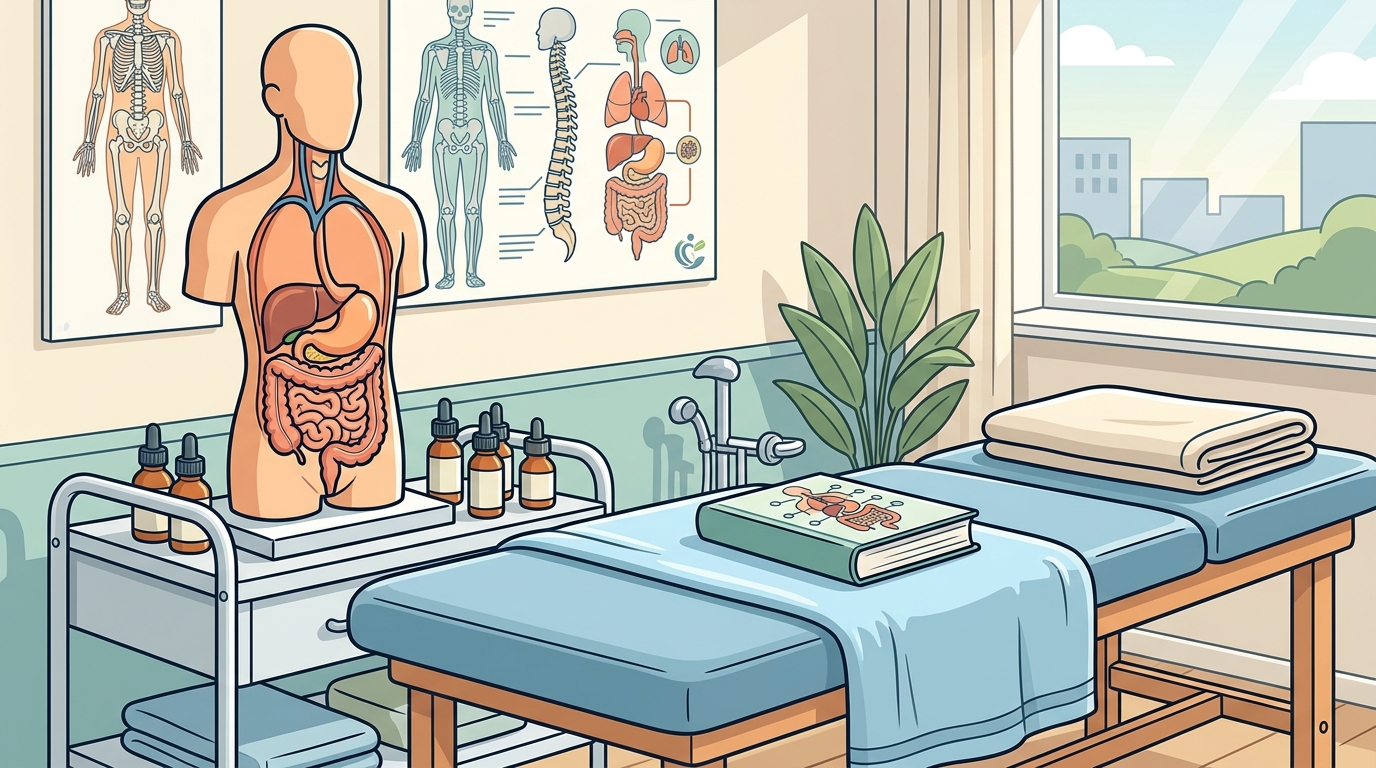
Visceral manipulation is a gentle manual therapy that focuses on the organs of the abdomen and pelvis. Organs are not static; they move and glide during digestion, breathing, and posture changes. When an organ becomes restricted due to scar tissue, inflammation, or poor posture, it can lose its normal mobility. Osteopathic doctors use specific hand placements to assess and treat these restrictions. By restoring the natural movement of the organs, we can alleviate pain and improve function.
Diaphragmatic Release
The diaphragm is the primary muscle of respiration and sits directly above the digestive organs. Tightness in the diaphragm can compress the stomach, liver, and intestines. This compression can lead to acid reflux and impaired digestion. Osteopathic treatment includes techniques to release tension in the diaphragm and the surrounding rib cage. This release allows for deeper breathing and reduces pressure on the digestive tract.
Spinal Mobilization
The nerves that supply the digestive organs exit the spine at specific levels. For example, the stomach and small intestine are primarily innervated by nerves from the thoracic spine (T5-T9). The large intestine and pelvic organs are influenced by nerves from the lumbar and sacral regions. Misalignments or joint restrictions in these areas can interfere with nerve signaling. Chiropractic adjustments and osteopathic mobilization can correct these spinal issues, ensuring clear communication between the brain and the gut.
Common Digestive Conditions Treated
Osteopathy can be effective for a wide range of digestive complaints. While it is not a replacement for emergency medical care, it offers a valuable adjunctive therapy for chronic conditions. Common issues we address include:
- Acid Reflux (GERD): Tension in the diaphragm and lower esophageal sphincter can contribute to reflux. Osteopathic techniques help relax these areas and improve the angle of the stomach.
- Irritable Bowel Syndrome (IBS): IBS is characterized by abdominal pain, bloating, and changes in bowel habits. Osteopathy can help reduce visceral hypersensitivity and improve gut motility.
- Constipation: Restricted pelvic floor muscles or spinal issues can slow down bowel movements. Manual therapy can help restore normal function.
- Bloating and Gas: Poor organ mobility can lead to trapped gas and discomfort. Visceral manipulation helps the organs move more freely, reducing gas buildup.
- Post-Surgical Adhesions: Scar tissue from abdominal surgeries can restrict organ movement. Osteopathic treatment can help soften and mobilize this tissue.
Our clinic also specializes in Motor Vehicle Accident (MVA) Treatment, where digestive issues can arise from whiplash and abdominal trauma. We take a team-based approach to ensure all aspects of your health are addressed.
Osteopathy vs. Traditional Medicine
Understanding the differences between osteopathy and traditional medical approaches can help you make an informed decision about your care. Traditional medicine often relies on pharmacological interventions to manage symptoms. While these medications can be effective for acute issues, they may not address the underlying mechanical causes of chronic digestive problems.
| Feature | Osteopathy | Traditional Medicine |
|---|---|---|
| Approach | Holistic, structural focus | Symptom-focused, pharmacological |
| Treatment Method | Manual manipulation and mobilization | Medication and surgery |
| Goal | Restore self-healing capacity | Suppress symptoms |
| Side Effects | Minimal, natural | Potential for drug interactions |
| Duration of Care | Variable, often fewer visits | Often long-term management |
At Complete Chiropractic & Sports Therapy, we believe in combining the best of both worlds. We work with your primary care physician to ensure a coordinated approach to your health. Our team of practitioners includes osteopaths, chiropractors, and physiotherapists who collaborate to provide the highest level of care.
Key Takeaways
- Osteopathy treats the body as an integrated unit, focusing on the relationship between structure and function.
- Visceral manipulation can improve the mobility of digestive organs, reducing pain and bloating.
- The gut-brain axis is influenced by spinal health, making chiropractic and osteopathic care vital for digestive function.
- Osteopathy is effective for conditions like IBS, acid reflux, and constipation by addressing mechanical restrictions.
- Our Calgary NW clinic offers direct billing to most major insurance companies, making care accessible.
- We provide evening and weekend appointments to fit your busy schedule.
- Complete Chiropractic & Sports Therapy has over 190 five-star reviews from satisfied patients.
Frequently Asked Questions
How many osteopathy sessions do I need for digestive issues?
The number of sessions varies depending on the severity and chronicity of your condition. Many patients experience relief after just a few visits. Our goal is to fix you in as few treatments as possible, ensuring you receive the highest care possible on every visit.
Is osteopathy safe for digestive problems?
Yes, osteopathy is a gentle and safe manual therapy. It does not involve drugs or surgery. Our practitioners are trained to assess your specific needs and apply techniques that are appropriate for your condition.
Can osteopathy help with acid reflux?
Yes, by releasing tension in the diaphragm and correcting spinal misalignments, osteopathy can help reduce the pressure on the stomach and improve the function of the lower esophageal sphincter.
Do you accept insurance for osteopathic treatment?
We direct bill almost every major insurance company to reduce or even eliminate out-of-pocket expenses for our patients. Please contact our office to verify your coverage.
What is the difference between osteopathy and chiropractic care?
While both disciplines focus on the musculoskeletal system, osteopathy places a stronger emphasis on the visceral organs and their relationship to the rest of the body. At CCST, we integrate both approaches for comprehensive care.
Can I book an appointment online?
Yes, we offer 24/7 online booking. You can book quickly and easily anytime you need. Add to waitlists, see past appointments, and access invoices through our online portal.
Book Your Consultation
If you are struggling with digestive issues, osteopathy may offer the relief you have been seeking. Our team at Complete Chiropractic & Sports Therapy is dedicated to providing a unique one-on-one approach to help you get amazing results with fewer visits. We are located in NW Calgary, Alberta, and offer the longest hours of operation in the city.
Do not let digestive discomfort control your life. Take the first step towards better health today. Contact us to schedule your appointment or visit our website to learn more about our services. We look forward to helping you achieve optimal wellness.