
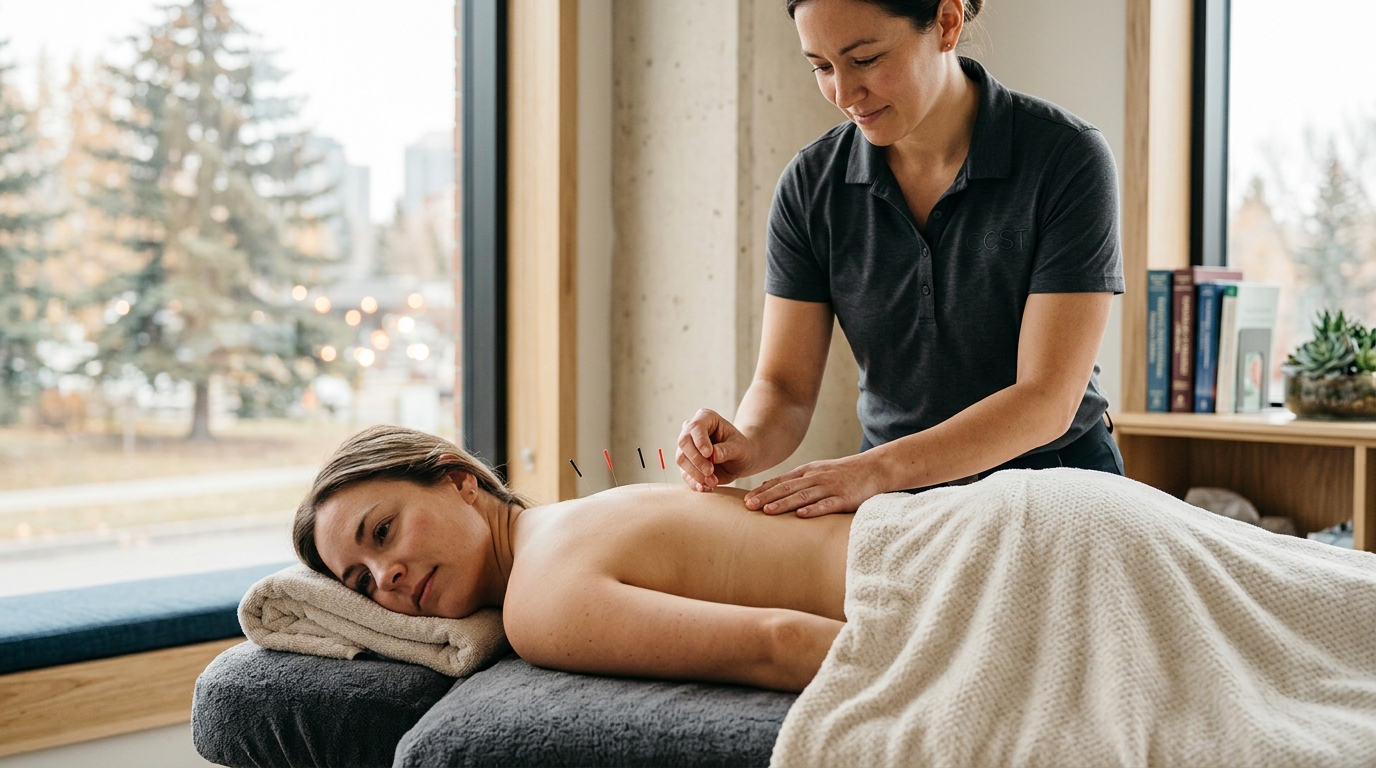
Chronic pain affects millions of adults worldwide, with recent clinical data showing that approximately 20 percent of the population experiences persistent discomfort. According to the National Institutes, this widespread prevalence drives patients toward non-pharmaceutical interventions like traditional needle therapy. Understanding the physiological mechanisms behind this practice helps individuals make informed healthcare decisions. Modern research continues to validate how targeted stimulation alters pain signaling pathways. Clinicians at Complete Chiropractic and Sports Therapy utilize this evidence-based approach to support long-term recovery.
The Neurological Mechanism
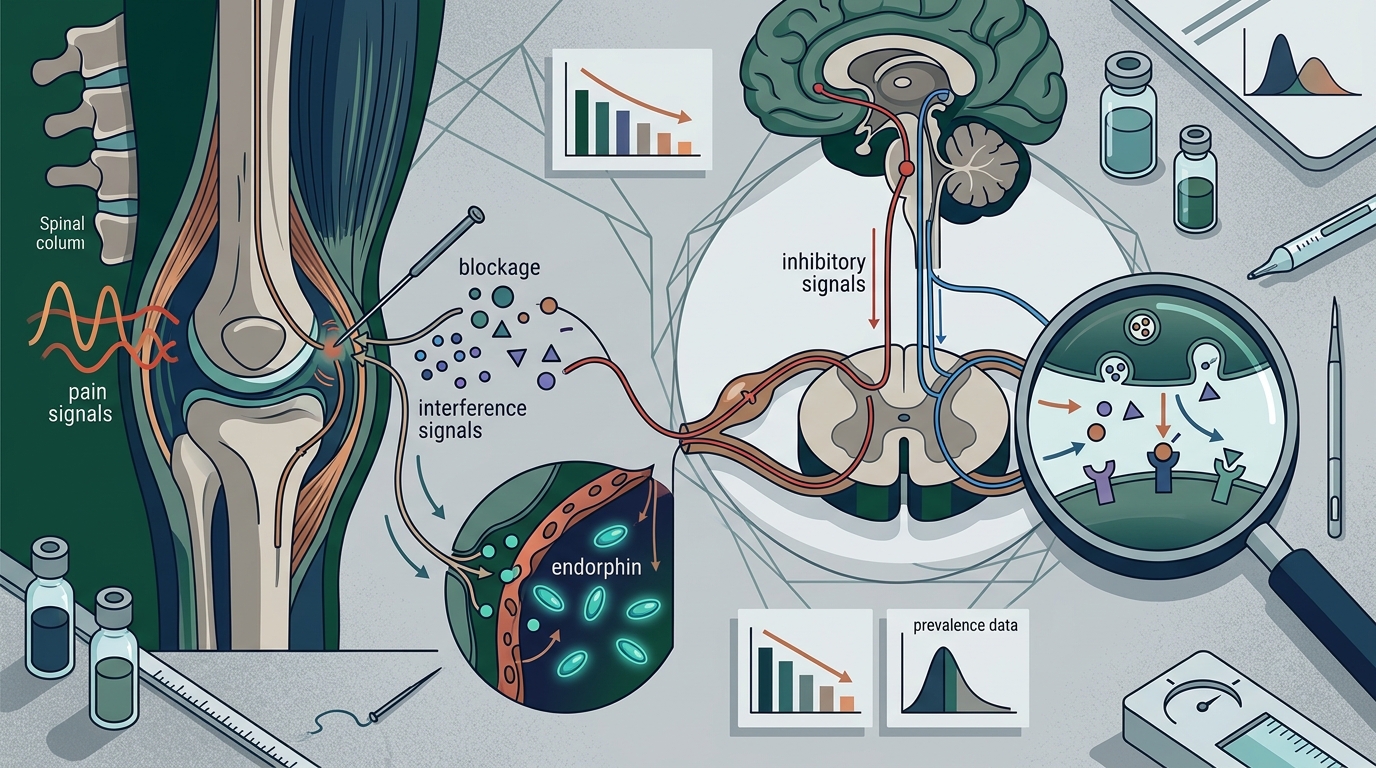
Acupuncture is a specialized therapeutic practice that involves inserting sterile, hair-thin needles into specific anatomical points. This technique stimulates peripheral nerve endings to trigger complex physiological responses. When practitioners target these precise locations, the body initiates a cascade of biochemical events. The central nervous system responds by releasing endogenous opioids and neurotransmitters. Neurotransmitter modulation is the physiological response that alters pain signaling pathways. Clinical studies indicate that this neurological shift can persist for hours after the procedure concludes. Patients often report a noticeable decrease in localized discomfort following their initial sessions.
Inflammation and Tissue Response
Tissue repair is the biological process that restores structural integrity after injury. Acupuncture modulates this biological process by regulating cytokine production and blood flow. According to the World Health Organization, targeted stimulation reduces pro-inflammatory markers in affected joints and muscles. This localized reduction allows damaged tissues to recover without excessive swelling. Practitioners at our NW Calgary clinic combine this modality with active release techniques to accelerate healing. The synergistic effect often shortens overall recovery timelines for athletic injuries.
Integration with Other Therapies
Modern rehabilitation programs rarely rely on a single intervention to resolve complex musculoskeletal conditions. Our team-based healthcare approach integrates multiple modalities to address the root cause of discomfort. Acupuncture pairs effectively with chiropractic adjustments and physiotherapy exercises. This comprehensive strategy ensures that structural alignment matches soft tissue recovery. Our Complete therapy model emphasizes one-on-one treatment plans tailored to individual biomechanics. Patients benefit from direct billing to major insurance providers, which reduces financial barriers to consistent care. Evening and weekend appointments further accommodate working professionals and students.
What to Expect During Treatment
First-time patients often wonder about the procedural details and expected outcomes. A standard consultation begins with a thorough health history review and physical assessment. Practitioners then identify specific trigger points and meridian pathways relevant to your symptoms. The actual needle insertion typically causes minimal sensation, often described as a dull ache or mild tingling. Our licensed acupuncturists maintain strict hygiene protocols and use single-use stainless steel needles. Most sessions last between thirty and sixty minutes depending on treatment complexity. Follow-up visits focus on tracking progress and adjusting stimulation parameters.
Treatment Options Summary
| Therapy Modality | Primary Clinical Application | Integration Pathway |
|---|---|---|
| Traditional Acupuncture | Chronic musculoskeletal pain and systemic inflammation | Paired with chiropractic adjustments for structural alignment |
| Dry Needling | Myofascial trigger point release and muscle tension | Combined with physiotherapy exercises for functional recovery |
| Active Release Technique | Soft tissue adhesions and nerve entrapment | Utilized alongside needle therapy to accelerate tissue repair |
| Shockwave Therapy | Tendinopathies and calcified tissue breakdown | Integrated into post-surgical rehabilitation protocols |
Key Takeaways
- Acupuncture is a specialized therapeutic practice that involves inserting sterile, hair-thin needles into specific anatomical points.
- National health data indicates that over 20 percent of adults experience chronic pain requiring intervention.
- Targeted needle stimulation triggers endogenous opioid release and modulates inflammatory cytokines.
- Our NW Calgary clinic offers direct billing to nearly every major insurance provider.
- Evening and weekend scheduling ensures accessibility for working professionals and students.
- Combining needle therapy with chiropractic care and physiotherapy yields faster functional recovery.
- Complete Chiropractic and Sports Therapy maintains a team-based approach to diagnosis and treatment.
Frequently Asked Questions
Does acupuncture cause pain during needle insertion?
Most patients experience minimal discomfort, often describing the sensation as a brief pinch or mild pressure. Practitioners use ultra-fine, sterile needles that glide smoothly through the skin. The goal is to stimulate specific nerve endings without causing tissue trauma.
How many sessions are typically required for chronic pain?
Treatment frequency depends on the severity and duration of your condition. Most clinical protocols recommend an initial series of six to eight weekly appointments. Subsequent maintenance visits focus on preventing symptom recurrence and preserving mobility.
Is acupuncture safe for individuals taking blood thinners?
Medical professionals carefully evaluate bleeding risks before initiating treatment. Practitioners adjust needle depth and stimulation intensity to accommodate specific health conditions. Always disclose your complete medication list during your initial consultation.
Can this therapy replace prescription pain medication?
Acupuncture serves as a complementary intervention rather than a direct substitute for prescribed pharmaceuticals. Many patients gradually reduce their medication dosage under physician supervision. Our clinic coordinates closely with your primary care provider to ensure safe transitions.
What conditions respond best to needle therapy?
Musculoskeletal disorders, migraines, and joint inflammation show the highest response rates in clinical trials. Our educational resources detail specific protocols for various injury types. Patients with motor vehicle accident injuries often report significant functional improvements.
How does this modality compare to dry needling?
Both techniques utilize thin needles to target trigger points, but their philosophical frameworks differ. Dry needling focuses strictly on myofascial release, while traditional acupuncture addresses systemic energy pathways. Our service directory outlines when each approach is clinically indicated.
Are there any contraindications for first-time patients?
Pregnancy, severe bleeding disorders, and certain cardiac conditions require modified treatment protocols. Practitioners conduct comprehensive health screenings to identify potential risks. Transparent communication ensures that every session remains safe and effective.
Book Your Consultation
Ready to explore how targeted needle stimulation can support your recovery goals? Our NW Calgary clinic offers flexible scheduling and comprehensive diagnostic assessments. Contact us today to schedule your initial evaluation. We provide direct billing to minimize out-of-pocket expenses and streamline your care journey. Experience the Complete therapy difference with our team-based healthcare approach.