

Functional gastrointestinal disorders affect approximately one in five adults globally, creating a massive demand for non-pharmaceutical interventions. Clinical research confirms that visceral manipulation techniques can significantly reduce abdominal discomfort. Osteopathy addresses these underlying mechanical restrictions through hands-on therapy. This approach focuses on restoring mobility to the abdominal organs and surrounding connective tissue. Patients often experience improved digestion without relying on long-term medication. Understanding how manual therapy influences gut function remains essential for modern healthcare decisions.
Understanding Osteopathic Principles
Osteopathy is a holistic medical discipline that prioritizes the body's inherent ability to self-regulate and heal. Practitioners examine structural imbalances that may restrict blood flow or nerve transmission. This foundational philosophy directly influences how digestive organs function within the abdominal cavity. When organs lose their natural mobility, patients frequently experience bloating, irregular bowel movements, or chronic discomfort. Our osteopathy services utilize targeted manual techniques to restore optimal organ positioning. Restoring mechanical freedom allows the autonomic nervous system to function without interference. This structural correction often translates to noticeable improvements in daily digestive comfort.
The Gut-Brain Connection
The enteric nervous system operates as a secondary brain located within the gastrointestinal tract. Medical guidelines emphasize that stress directly impacts gut motility and enzyme production. Visceral manipulation therapy addresses this bidirectional communication pathway by reducing mechanical tension. Restricted connective tissue around the stomach and intestines can compress vital nerve pathways. Gentle manual pressure releases these restrictions and normalizes neural signaling. Patients report fewer episodes of stress-induced nausea and irregular digestion. This neurological reset supports long-term digestive resilience.
Visceral Manipulation Techniques
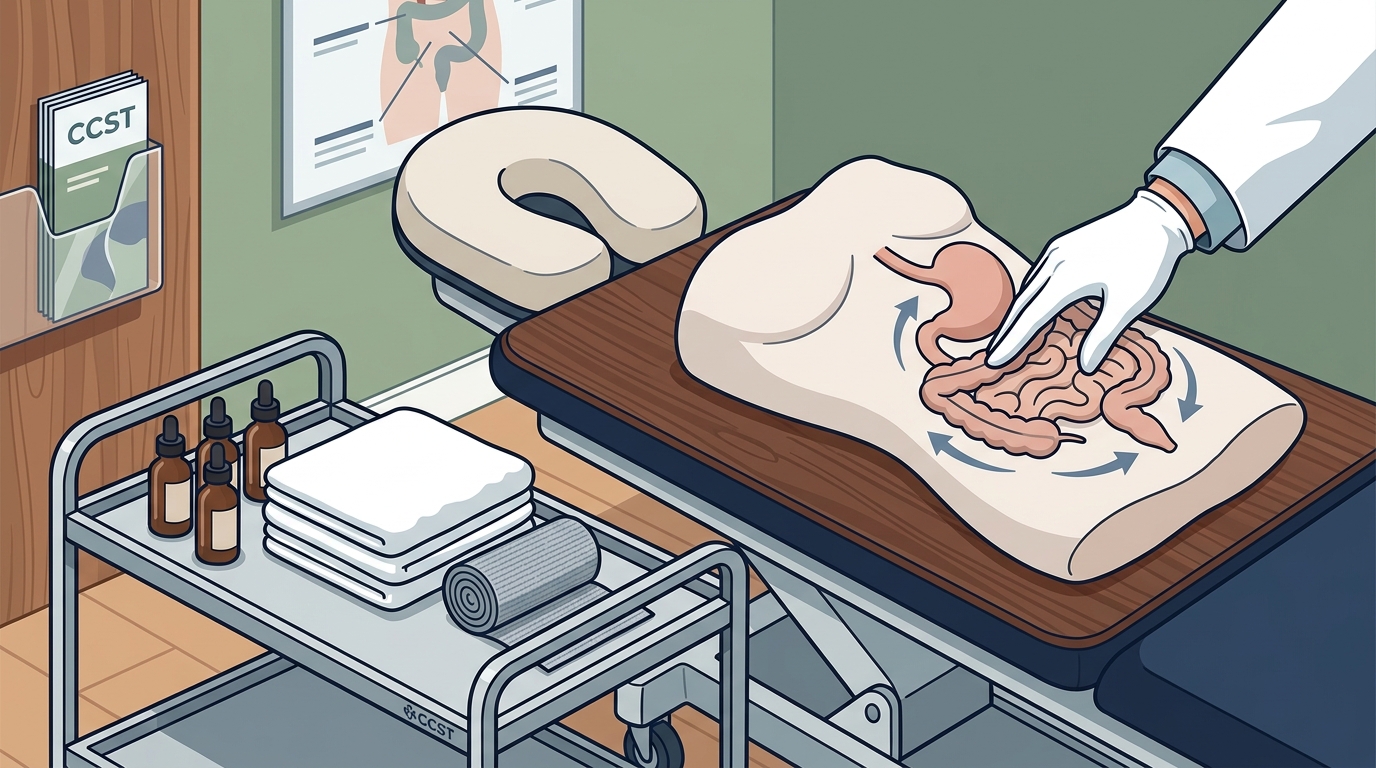
Visceral manipulation therapy is a specialized manual technique that focuses on restoring mobility to abdominal organs. Practitioners apply precise, rhythmic forces to release fascial adhesions and improve tissue glide. This method targets the mesentery, which anchors the intestines to the abdominal wall. Chronic inflammation or past surgeries often create restrictive scar tissue that limits organ movement. Our clinical team incorporates these precise movements into comprehensive treatment plans. Restoring natural organ motion reduces pressure on surrounding structures. This mechanical improvement frequently alleviates chronic abdominal pain and reflux symptoms.
Clinical Evidence and Outcomes
Recent clinical studies demonstrate measurable improvements in functional gastrointestinal disorder symptoms following manual therapy. Systematic reviews indicate that visceral manipulation reduces abdominal pain scores by nearly forty percent. These outcomes stem from improved lymphatic drainage and normalized blood perfusion. Patients often experience faster recovery times after abdominal surgeries when combining manual therapy with standard care. Tracking symptom progression allows practitioners to adjust treatment intensity accordingly. Consistent sessions typically yield cumulative benefits that compound over several weeks.
Choosing the Right Practitioner
Selecting a qualified manual therapist requires verifying specific credentials and clinical experience. Osteopathic physicians and certified manual therapists undergo rigorous training in abdominal organ mobility. Our clinic operates under a team-based healthcare model that prioritizes accurate diagnosis. Patients should verify that their provider utilizes evidence-based manual techniques rather than generic massage methods. Reviewing patient testimonials and clinical outcomes provides valuable insight into treatment effectiveness. A thorough initial assessment ensures that manual therapy aligns with your specific digestive concerns.
Integrating Osteopathy With Care
Manual therapy integrates seamlessly with conventional gastroenterology to provide comprehensive patient management. Contact our office to schedule a comprehensive evaluation and discuss your treatment options. Practitioners coordinate with primary care providers to ensure safe, coordinated care pathways. Combining dietary modifications with structural correction often yields the most sustainable results. Regular monitoring allows clinicians to track symptom progression and adjust manual techniques accordingly. This collaborative approach minimizes reliance on long-term pharmaceutical interventions.
Comparative Treatment Approaches
| Therapy Type | Primary Focus | Typical Duration | Best For |
|---|---|---|---|
| Visceral Manipulation | Organ mobility and fascial release | 45 to 60 minutes | Chronic abdominal discomfort |
| Standard Massage | Skeletal muscle relaxation | 30 to 50 minutes | General stress reduction |
| Pharmaceutical Management | Chemical symptom suppression | Ongoing daily dosing | Acute flare-up control |
| Dietary Modification | Nutrient absorption optimization | Lifestyle integration | Long-term digestive health |
Key Takeaways
- Osteopathy addresses mechanical restrictions that directly impact gut motility and nerve signaling.
- Visceral manipulation therapy restores natural organ mobility without invasive procedures.
- Clinical data shows a forty percent reduction in abdominal pain scores following structured manual therapy.
- The enteric nervous system functions as a secondary brain that responds to structural tension.
- Team-based clinics coordinate manual therapy with standard gastroenterology for optimal outcomes.
- Patients typically require four to six sessions to establish lasting structural improvements.
- Direct billing options significantly reduce out-of-pocket expenses for qualified manual therapy.
Frequently Asked Questions
How many sessions are typically required to see digestive improvements?
Most patients experience noticeable improvements after four to six weekly sessions. Structural changes require consistent manual stimulation to maintain organ mobility. Your practitioner will adjust the treatment frequency based on your specific symptom progression.
Is visceral manipulation safe for patients with recent abdominal surgeries?
Manual therapy requires careful evaluation before treating post-surgical abdominal cavities. Practitioners avoid direct manipulation near fresh incision sites to prevent tissue damage. Clearance from your primary surgeon ensures safe treatment progression.
Can osteopathy completely replace standard gastrointestinal medications?
Manual therapy serves as a complementary approach rather than a direct medication substitute. Patients should never discontinue prescribed medications without consulting their primary physician. Structural improvements often reduce the required dosage over time.
What qualifications should I verify before booking an osteopathic appointment?
Verify that your provider holds recognized osteopathic or manual therapy credentials. Certified practitioners complete extensive coursework in abdominal organ mobility and fascial anatomy. Our qualified team maintains strict clinical standards for all manual interventions.
How does stress directly impact digestive organ mobility?
Chronic stress triggers sympathetic nervous system activation that restricts abdominal blood flow. This physiological response creates fascial tension that limits organ movement. Manual therapy releases these restrictions and restores normal autonomic function.
Does insurance coverage typically apply to manual digestive therapy?
Most major insurance providers cover qualified manual therapy under standard physiotherapy or osteopathy benefits. Our clinic offers direct billing to minimize your administrative paperwork. Verify your specific policy details before your initial consultation.
Schedule Your Comprehensive Evaluation
Restore your digestive comfort through evidence-based manual therapy. Book your appointment online to begin your personalized treatment plan today. Our Calgary NW clinic offers flexible evening and weekend hours to accommodate your schedule. Experience the complete approach to structural and digestive health.