
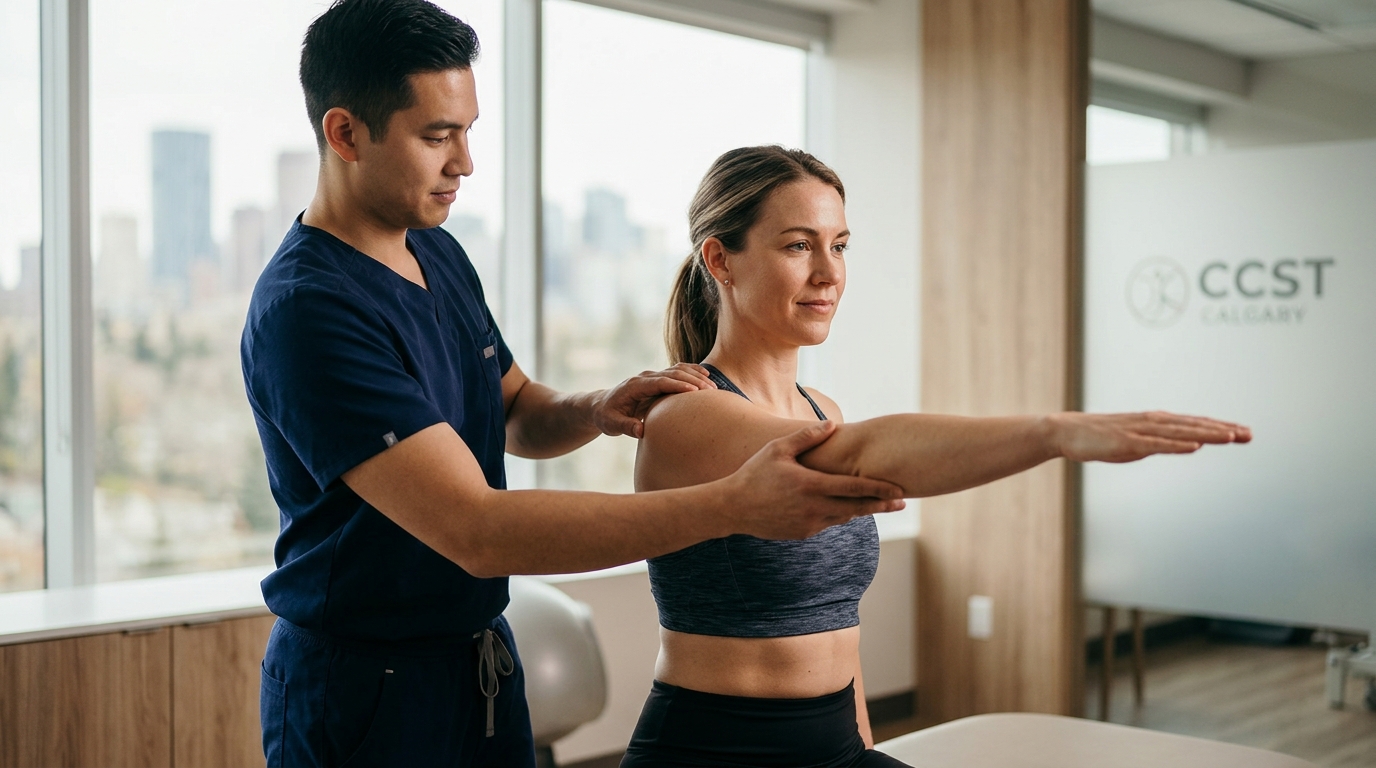
Joint mobility is the foundation of human movement, yet it is often the first thing to deteriorate due to injury, aging, or sedentary lifestyles. According to recent clinical data, nearly 60% of adults experience some form of joint stiffness or restricted range of motion that impacts daily activities. This statistic highlights why targeted physiotherapy is not just a recovery tool, but a critical component of long-term physical health. At Complete Chiropractic & Sports Therapy (CCST) in NW Calgary, we focus on restoring this mobility through evidence-based, one-on-one care.
Understanding Joint Mobility and Its Importance
Before diving into treatments, it is essential to define what we are treating. Joint mobility is the ability of a joint to move freely through its full range of motion without pain or restriction. This differs slightly from joint flexibility, which refers to the length of the muscles surrounding the joint. Mobility combines both muscle length and joint capsule health.
When mobility decreases, the body compensates. This compensation often leads to secondary injuries in adjacent joints, such as lower back pain stemming from stiff hips. At CCST Calgary, we assess these kinetic chains to ensure we treat the root cause, not just the symptom. Our goal is to fix you in as few treatments as possible by addressing the biomechanical issues directly.
How Physiotherapy Restores Range of Motion
Physiotherapy improves joint mobility through several physiological mechanisms. The primary goal is to reduce pain and inflammation while simultaneously restoring tissue elasticity. This process involves three main phases: acute pain management, tissue mobilization, and functional strengthening.
During the acute phase, therapists use modalities like ice, heat, or electrical stimulation to manage pain. This allows the patient to begin moving without fear. As pain subsides, the focus shifts to manual therapy and exercise. Manual therapy involves hands-on techniques to mobilize stiff joints and soft tissues. This is often combined with therapeutic exercises that gradually increase the joint's range of motion.
Research indicates that consistent, guided movement is more effective than rest for long-term joint health. According to the World Confederation for Physical Therapy, early mobilization prevents adhesions and scar tissue formation, which are common causes of chronic stiffness. Our team at CCST utilizes this principle to ensure faster recovery times for our patients.
The CCST Team-Based Approach to Mobility
What makes CCST different is our team-based healthcare approach. We do not rely on a single modality. Instead, we integrate chiropractic, physiotherapy, massage, osteopathy, and acupuncture. This holistic method ensures that every aspect of your joint health is addressed.
For example, a patient with shoulder impingement might receive:
- Physiotherapy for strengthening the rotator cuff.
- Chiropractic care to adjust the thoracic spine and improve shoulder mechanics.
- Registered Massage Therapy to release tight pectoral and upper trapezius muscles.
- Acupuncture to reduce local inflammation and pain.
This multi-therapy approach is delivered at the highest ethical and scientific standards. We believe in true patient-centered care, which means your treatment plan evolves as your mobility improves. Our team of specialists, including Dr. Alim Kara, Dr. Shereen Kangarloo, and Bridget Pyke, work collaboratively to ensure you receive the highest care possible on every visit.
Key Treatment Modalities for Joint Health
At CCST, we utilize a variety of specialized techniques to improve joint mobility. Each technique targets different tissues and mechanisms. Understanding these options helps you make informed decisions about your care.
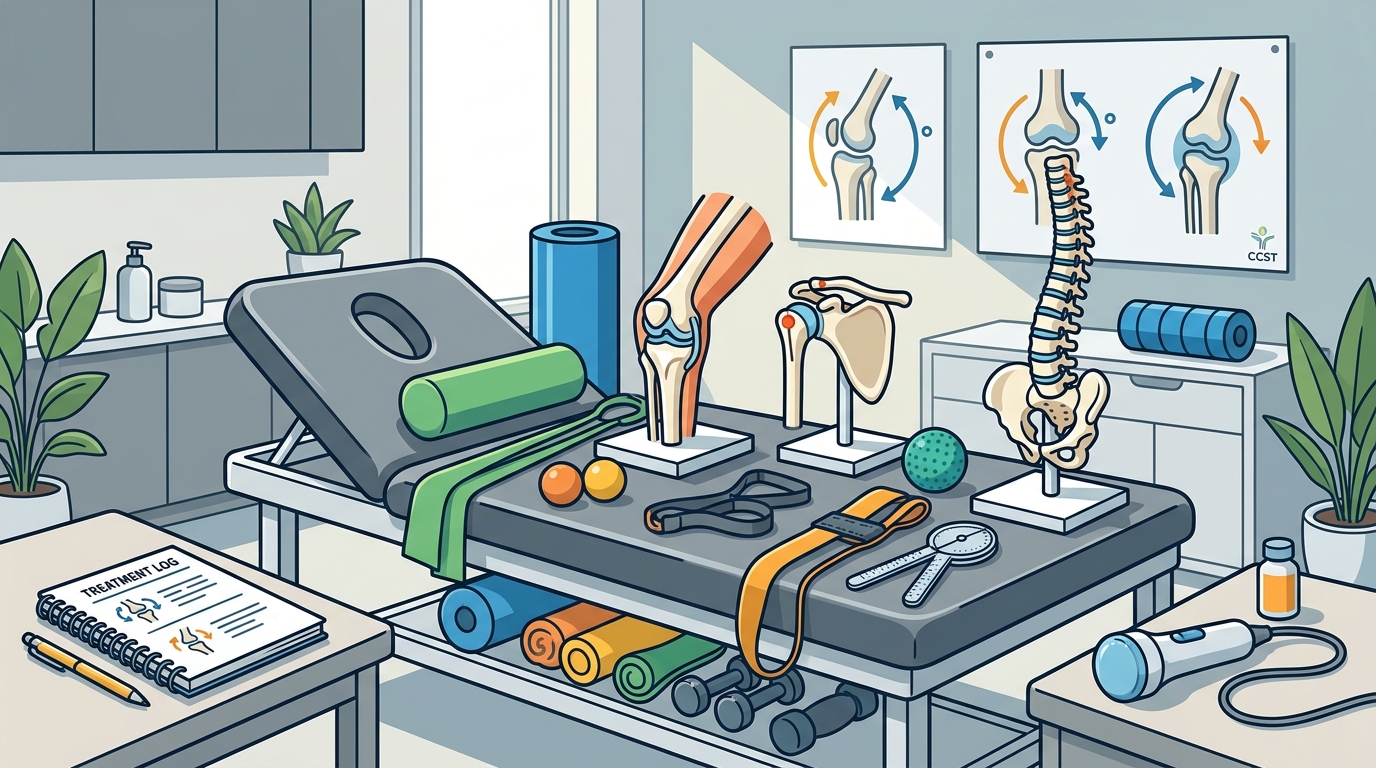
Active Release Technique (ART®)
ART is a movement-based system that treats problems with muscles, tendons, ligaments, nerves, and fascia. ART is a specific manual therapy technique that involves applying precise tension while the patient moves the affected area. This helps break up scar tissue and adhesions that restrict joint movement. It is particularly effective for repetitive strain injuries.
Graston Technique
The Graston Technique uses specialized stainless steel instruments to detect and break down scar tissue and fascial restrictions. This technique allows therapists to feel tissue texture changes that hands alone cannot detect. By breaking down these restrictions, joint mobility is restored more quickly. For more information on this technique, you can read about its efficacy in clinical studies on instrument-assisted soft tissue mobilization.
Shockwave Therapy
Shockwave therapy uses high-energy acoustic waves to stimulate healing in chronic tendon and joint issues. This treatment promotes angiogenesis, which is the formation of new blood vessels. Improved blood flow accelerates tissue repair and reduces pain, allowing for greater mobility. This is often used for conditions like plantar fasciitis or tennis elbow.
IMS/Dry Needling
Intramuscular stimulation (IMS) involves inserting thin needles into trigger points within muscles. This causes a local twitch response that releases muscle tension. By releasing these tight bands, the surrounding joints can move more freely. Dr. Alex Judd, our acupuncture specialist, often integrates this with traditional acupuncture for comprehensive pain relief.
Comparing Physiotherapy Approaches
Not all physiotherapy approaches are the same. Below is a comparison of common methods used to improve joint mobility.
| Approach | Primary Mechanism | Best For | CCST Availability |
|---|---|---|---|
| Traditional Manual Therapy | Hands-on joint mobilization and soft tissue massage | General stiffness and acute pain | Yes (Physio & Massage) |
| Active Release Technique (ART) | Dynamic tension applied to moving tissues | Scar tissue and repetitive strain | Yes (Specialized) |
| Graston Technique | Instrument-assisted fascial breakdown | Chronic fascial restrictions | Yes (Specialized) |
| Shockwave Therapy | Acoustic wave stimulation for healing | Chronic tendonopathies | Yes (Specialized) |
| Acupuncture/IMS | Needle insertion to release trigger points | Neuromuscular pain and tension | Yes (Dr. Alex Judd) |
Choosing the right approach depends on your specific diagnosis. Our team at CCST Calgary will recommend the most effective combination for your needs. We also offer direct billing to most major insurance companies, making these advanced treatments more accessible.
Key Takeaways
- Joint mobility is the combination of muscle length and joint capsule health, crucial for preventing compensatory injuries.
- Physiotherapy works by reducing pain, mobilizing tissues, and strengthening supporting muscles to restore range of motion.
- CCST's team-based approach integrates chiropractic, physio, massage, osteopathy, and acupuncture for comprehensive care.
- Active Release Technique (ART) is a specialized method for breaking up scar tissue and adhesions in soft tissues.
- Graston Technique uses instruments to detect and treat fascial restrictions that hands cannot reach.
- Shockwave Therapy promotes healing through acoustic waves, ideal for chronic tendon issues.
- Direct billing is available at CCST for most major insurance providers, reducing out-of-pocket costs.
Frequently Asked Questions
How many physiotherapy sessions are needed to improve joint mobility?
The number of sessions varies based on the severity of the condition. However, CCST aims to fix you in as few treatments as possible. Most patients see significant improvement within 4 to 6 sessions when combining manual therapy with home exercises.
Is physiotherapy painful?
Some discomfort may occur during manual therapy or ART, but it should be manageable. The goal is to restore mobility without causing further injury. Our therapists communicate closely with you to ensure the treatment remains within a tolerable range.
Can chiropractic care help with joint mobility?
Yes. Chiropractic adjustments can improve joint alignment and reduce nerve irritation, which allows surrounding muscles to relax. This complements physiotherapy by addressing structural issues that manual therapy alone cannot fix.
What is the difference between flexibility and mobility?
Flexibility refers to the length of your muscles, while mobility refers to the ability of your joints to move through their full range. You can be flexible but still have poor mobility if your joint capsules are stiff.
Do you offer evening and weekend appointments?
Yes, CCST opens in the early morning and closes late into the evening, including weekends. This makes it easier to get an appointment when it is most convenient for you.
How does acupuncture help with joint pain?
Acupuncture stimulates the nervous system to release natural painkillers and reduce inflammation. It also helps relax tight muscles that may be restricting joint movement.
Is direct billing available for all services?
We direct bill almost every major insurance company for our physiotherapy, massage, and chiropractic services. This helps reduce or even eliminate out-of-pocket expenses for our patients.
Book Your Mobility Assessment
Don't let joint stiffness limit your life. Whether you are recovering from an injury or looking to maintain your physical health, CCST Calgary offers the expertise and care you need. Our team is ready to help you achieve amazing results with fewer visits.
Contact us today to schedule your assessment. You can also read our blog for more tips on health and wellness. Visit us at our NW Calgary location to start your journey to better mobility.