
How Physiotherapy Improves Joint Mobility: Methods and Benefits
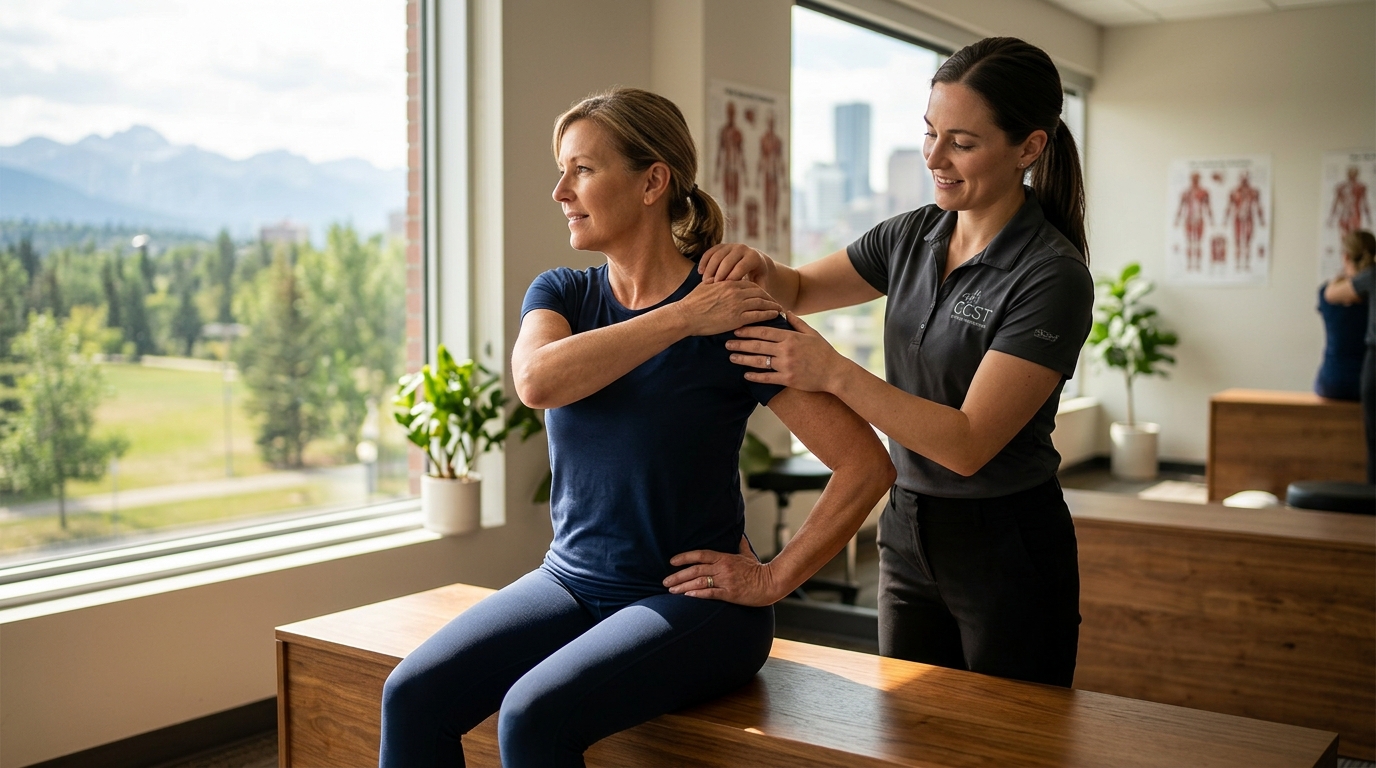
Joint stiffness can limit your daily life, from bending down to tie your shoes to reaching overhead for a cupboard. Physiotherapy is one of the most effective, evidence-based ways to restore and improve joint mobility. Whether you are recovering from surgery, managing arthritis, or dealing with a sports injury, a qualified physiotherapist uses targeted techniques to help your joints move freely again. In this guide, we break down exactly how physiotherapy works to improve joint mobility, which techniques deliver the best results, and what you can expect during treatment at a Calgary clinic like Complete Chiropractic and Sports Therapy (CCST).
What Is Joint Mobility?
Joint mobility is the degree to which a joint can move through its full, intended range of motion without pain or restriction. It depends on the health of cartilage, synovial fluid, surrounding muscles, ligaments, and tendons. When any of these structures are compromised, mobility decreases.
Healthy joint mobility is essential for performing basic movements like walking, squatting, and rotating your shoulders. According to the World Health Organization, musculoskeletal conditions affect roughly 1.71 billion people globally and are a leading contributor to disability, making mobility preservation a public health priority.
Common Causes of Restricted Joint Mobility
Understanding the root cause of restricted mobility is the first step toward effective treatment. Some of the most frequent causes include:
- Osteoarthritis — progressive cartilage breakdown that stiffens joints over time.
- Post-surgical adhesions — scar tissue that limits movement after operations such as knee or shoulder surgery.
- Muscle imbalances — when tight or weak muscles pull a joint out of its optimal alignment.
- Sedentary lifestyle — prolonged inactivity leads to shortened connective tissues.
- Sports injuries — sprains, strains, and tears that create inflammation and swelling around the joint.
A thorough assessment by a physiotherapist identifies which of these factors is most relevant to your condition. At CCST, physiotherapists like Bridget Pyke specialize in detailed evaluations before designing a treatment plan.
How Physiotherapy Restores Joint Mobility
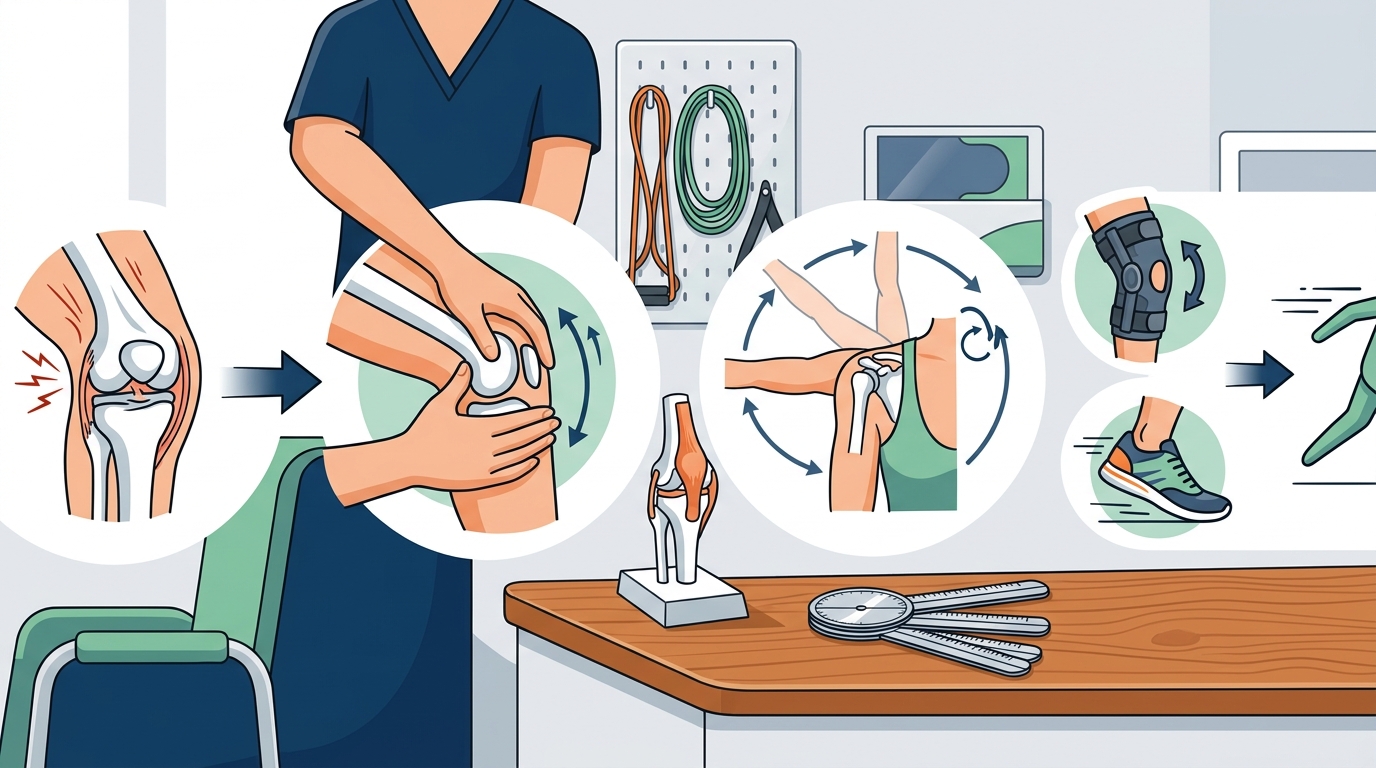
Physiotherapy restores joint mobility through a combination of manual therapy, targeted exercise, and patient education. The process typically follows three stages:
1. Assessment and Diagnosis
Your physiotherapist performs range-of-motion testing, strength assessments, and functional movement screens to identify exactly where restrictions exist. This data-driven approach ensures treatment targets the right structures.
2. Hands-On Treatment
Manual therapy techniques such as joint mobilizations and soft-tissue release reduce adhesions, decrease pain, and improve the glide of joint surfaces. Research published in the Journal of Orthopaedic & Sports Physical Therapy consistently supports manual therapy as effective for improving range of motion in shoulders, knees, and hips.
3. Rehabilitation and Exercise
Progressive stretching and strengthening exercises maintain the gains achieved during hands-on sessions. At CCST, your practitioner designs a rehabilitation program entirely specific to you, incorporating stretches, exercises, and lifestyle advice.
Key Physiotherapy Techniques for Mobility
Not all physiotherapy techniques serve the same purpose. Here are the most effective methods for improving joint mobility:
| Technique | How It Works | Best For |
|---|---|---|
| Joint Mobilization | Gentle, graded oscillations applied to joint surfaces to restore normal glide | Stiff knees, shoulders, ankles |
| Active Release Technique (ART) | Precise tension combined with specific patient movement to stretch restricted tissue | Soft-tissue adhesions, repetitive strain |
| Therapeutic Exercise | Progressive stretching and strengthening through controlled movements | Post-surgical recovery, chronic stiffness |
| Acupuncture / Dry Needling | Thin needles stimulate blood flow and reduce muscle tension around joints | Acute pain, muscle spasms |
| Proprioceptive Training | Balance and coordination drills that retrain the nervous system | Ankle instability, post-injury return to sport |
CCST integrates many of these approaches in a single visit. Their Active Release Technique (ART) practitioners use over 500 treatment protocols to identify and correct specific problems. Acupuncture is also available and is often combined with electrical stimulation for effective pain and spasm relief.
Physiotherapy vs. Other Mobility Treatments
Many patients wonder how physiotherapy compares to other options. Here is a quick comparison:
| Factor | Physiotherapy | Chiropractic | Massage Therapy | Medication Only |
|---|---|---|---|---|
| Addresses root cause | Yes | Yes | Partially | No |
| Active rehab component | Yes | Sometimes | No | No |
| Pain relief | Yes | Yes | Yes | Yes |
| Long-term mobility gains | Strong | Moderate | Mild | None |
| Evidence base | Extensive | Strong | Growing | Varies |
The ideal approach often combines disciplines. At CCST, the team-based healthcare model ensures chiropractors, physiotherapists, and massage therapists collaborate closely so you receive comprehensive care under one roof.
What to Expect During a Physiotherapy Session
A typical physiotherapy session focused on joint mobility lasts 30 to 60 minutes. Here is a general breakdown:
- Initial consultation: Your therapist reviews your medical history, current symptoms, and goals.
- Physical assessment: Range of motion, strength, and functional tests pinpoint the problem areas.
- Treatment: Hands-on techniques such as mobilizations, ART, or acupuncture are applied.
- Home exercise plan: You receive specific stretches and exercises to practice between visits.
CCST follows an evidence-informed, one-on-one approach where practitioners take the time to assess, treat, and educate patients for the most effective recovery. There are never hidden costs, and all techniques are included in the price of treatment. The clinic also offers convenient online booking and direct billing to most major insurance companies.
Key Takeaways
- Joint mobility is the ability of a joint to move through its full range of motion without pain.
- Restricted mobility can result from arthritis, surgery, muscle imbalances, inactivity, or injury.
- Physiotherapy addresses the root cause of stiffness through assessment, manual therapy, and progressive exercise.
- Techniques like joint mobilization, ART, and acupuncture are proven methods to restore movement.
- Combining physiotherapy with chiropractic and massage therapy provides the most comprehensive results.
- A personalized rehabilitation program ensures long-term mobility gains are maintained at home.
- Choosing a clinic with a team-based, one-on-one approach like CCST maximizes your recovery.
Frequently Asked Questions
How many physiotherapy sessions does it take to improve joint mobility?
Most patients notice improvements within 4 to 6 sessions, though the exact number depends on the severity of the restriction, the joint involved, and how consistently you perform your home exercises.
Is physiotherapy painful?
Some techniques may cause mild discomfort, especially when working on stiff or inflamed tissue. However, a skilled physiotherapist adjusts the intensity to keep treatment within a tolerable range. Communication with your therapist is key.
Can physiotherapy help with arthritis-related stiffness?
Yes. Physiotherapy is one of the front-line treatments recommended by the Arthritis Foundation for managing osteoarthritis symptoms, including stiffness, pain, and loss of function.
What is the difference between joint mobility and flexibility?
Flexibility is the ability of muscles and soft tissues to lengthen, while joint mobility refers specifically to the movement capacity of the joint itself. Both are important, but they require different treatment strategies.
Do I need a referral to see a physiotherapist in Calgary?
In Alberta, you do not need a physician referral to see a physiotherapist. You can book directly with a clinic like CCST for an assessment.
Can physiotherapy prevent future joint problems?
Absolutely. Regular physiotherapy-guided exercise programs strengthen the muscles supporting your joints, improve proprioception, and help you maintain healthy movement patterns that reduce injury risk over time.
Does CCST offer physiotherapy alongside other treatments?
Yes. CCST provides chiropractic, physiotherapy, massage therapy, osteopathy, and acupuncture all under one roof. Their team works collaboratively to create a unified treatment plan for each patient.
Is physiotherapy covered by insurance in Alberta?
Most extended health benefit plans in Alberta cover physiotherapy. CCST direct bills almost every major insurance company, which can reduce or eliminate out-of-pocket expenses.
Take the Next Step Toward Better Mobility
If joint stiffness is holding you back, do not wait for it to worsen. Book a one-on-one physiotherapy assessment at Complete Chiropractic and Sports Therapy in Calgary NW. With experienced physiotherapists, a collaborative team, and a commitment to evidence-based care, CCST is ready to help you move freely again. Book your physiotherapy appointment online today.