
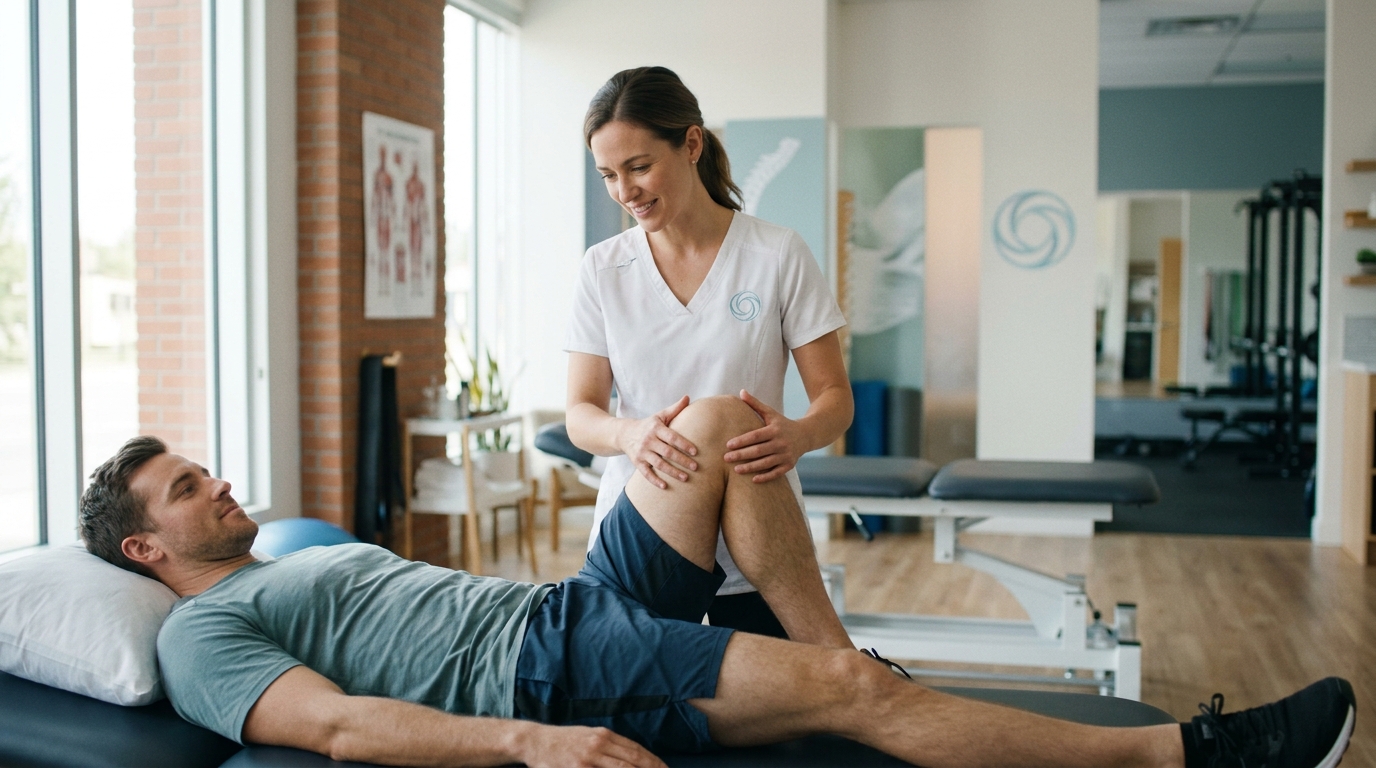
Joint stiffness is not merely an inconvenience; it is a physiological signal that your body’s biomechanical systems are under stress. According to recent orthopedic health data, nearly 40% of adults in North America report some form of chronic joint limitation that impacts daily function. This statistic highlights why understanding the mechanics of mobility restoration is critical for long-term health. At Complete Chiropractic & Sports Therapy (CCST) in Calgary, we utilize a team-based approach to diagnose and treat these limitations using advanced therapeutic techniques. This guide explains exactly how physiotherapy restores range of motion, reduces pain, and prevents future injury through evidence-based clinical interventions.
What is Physiotherapy?
Physiotherapy is a specialized branch of healthcare focused on diagnosing, treating, and preventing movement disorders and physical impairments. Unlike general wellness practices, physiotherapy relies on scientific principles to restore function. In our clinic, we define physiotherapy as the clinical application of manual therapy, exercise prescription, and patient education to optimize musculoskeletal health.
When joints become restricted, it is often due to a combination of soft tissue tightness, joint capsule adhesions, or neurological inhibition. Physiotherapists at CCST address these root causes rather than just masking symptoms. Our team includes certified professionals like Bridget Pyke and Ken Falconer, who specialize in restoring mobility through targeted interventions. By focusing on the underlying biomechanics, we ensure that improvements in mobility are sustainable and not just temporary fixes.
Understanding the difference between passive and active treatment is crucial. Passive treatments, such as massage or heat therapy, provide immediate relief but do not build long-term resilience. Active treatments, such as strengthening exercises, empower patients to maintain their progress independently. This dual approach is central to our philosophy at Complete Chiropractic & Sports Therapy.
The Mechanisms of Improved Mobility
Improving joint mobility involves several physiological processes. First, physiotherapy addresses soft tissue restrictions. Muscles and fascia can become tight or adhered due to injury, poor posture, or lack of movement. When these tissues are tight, they physically pull on the joint, limiting its range of motion. Techniques such as Registered Massage Therapy help break down these adhesions, allowing the joint to move more freely.
Second, joint mobilization techniques are used to restore arthrokinematic motion. Joints are not just hinges; they have complex rolling and gliding movements. When these small movements are restricted, the larger joint motion becomes painful and limited. Physiotherapists use specific manual forces to restore these gliding motions. This process is often described as "greasing the groove," where the joint surfaces are encouraged to move smoothly again.
Third, neuroplasticity plays a role in mobility restoration. Pain can cause the nervous system to guard against movement, leading to muscle spasms and further restriction. By gradually introducing safe movement patterns, physiotherapy retrains the nervous system to relax and allow greater range of motion. This neurological re-education is essential for patients recovering from injuries or surgeries.
According to research published in the Journal of Orthopaedic & Sports Physical Therapy, early mobilization after injury significantly reduces the risk of chronic stiffness. This data supports our clinical practice of initiating gentle movement as soon as possible after diagnosis. The goal is to prevent the formation of scar tissue that can permanently limit mobility.
Manual Therapy Techniques
Manual therapy is a cornerstone of physiotherapy for improving joint mobility. It involves hands-on techniques performed by a trained therapist. At CCST, we utilize a variety of manual therapies to address different types of restrictions.
Active Release Technique (ART®)
Active Release Technique is a patented, state-of-the-art soft tissue system that treats problems with muscles, tendons, ligaments, fascia, and nerves. ART® is particularly effective for conditions involving overuse injuries. The technique involves applying precise tension while the patient moves the affected area through a specific range of motion. This combination helps to break up scar tissue and restore normal tissue texture and function.
Many athletes and active individuals in Calgary rely on ART® to resolve chronic tightness that standard massage cannot address. The specificity of ART® allows therapists to target individual muscle fibers, making it highly effective for restoring mobility in complex joints like the shoulder and hip.
Graston Technique
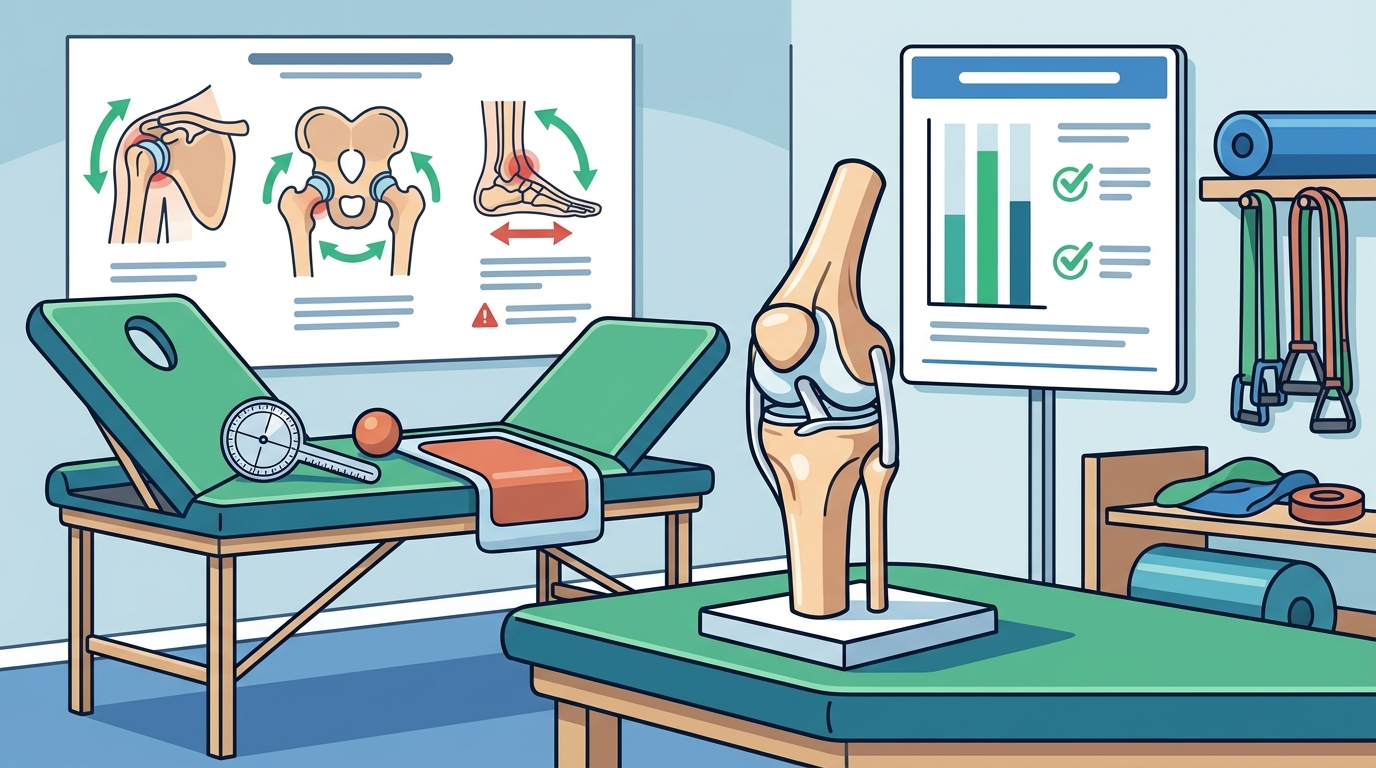
The Graston Technique involves the use of specialized stainless steel instruments to detect and break down scar tissue and fascial restrictions. These instruments allow therapists to feel the texture of the tissue and apply precise pressure to affected areas. This technique is often used for chronic conditions such as plantar fasciitis, tennis elbow, and lower back pain.
Studies indicate that the Graston Technique can increase blood flow to injured areas, promoting faster healing and improved mobility. By breaking down fibrous adhesions, the technique allows for greater flexibility and reduced pain during movement. This method is a key component of our Graston Technique services.
Shockwave Therapy
Shockwave therapy uses high-energy acoustic waves to stimulate healing in chronic soft tissue injuries. This non-invasive treatment can help break down calcifications and scar tissue that restrict joint movement. It is particularly effective for conditions that have not responded to other forms of therapy.
By promoting angiogenesis (the formation of new blood vessels), shockwave therapy enhances the body's natural healing process. This leads to improved tissue elasticity and joint mobility over time. Patients often report significant pain reduction and increased range of motion after a series of shockwave treatments.
Exercise and Rehabilitation
While manual therapy provides immediate relief, exercise is essential for long-term mobility. Physiotherapists design personalized exercise programs to strengthen the muscles surrounding the joint, improve flexibility, and enhance proprioception (body awareness).
Strengthening Exercises
Weak muscles place excessive stress on joints, leading to instability and pain. Strengthening exercises help to distribute forces more evenly across the joint, reducing wear and tear. For example, strengthening the quadriceps can significantly improve knee mobility and reduce pain in patients with arthritis.
Our rehabilitation programs focus on functional movements that mimic daily activities. This ensures that the improvements in mobility translate directly to real-world performance. Patients who complete our rehabilitation programs often report a return to their favorite hobbies and sports with greater confidence.
Flexibility and Stretching
Flexibility exercises help to lengthen tight muscles and improve the elasticity of connective tissues. Static stretching, dynamic stretching, and proprioceptive neuromuscular facilitation (PNF) are commonly used techniques. PNF stretching, in particular, has been shown to be highly effective for improving range of motion.
Consistency is key when it comes to flexibility. Patients are encouraged to perform their prescribed stretches daily to maintain and improve their gains. Our physiotherapists provide detailed instructions and video demonstrations to ensure proper technique.
Pelvic Health Physiotherapy
Joint mobility is not limited to the limbs. The pelvis is a critical joint complex that affects overall posture and movement. Pelvic health physiotherapy addresses restrictions in the pelvic floor and surrounding muscles. This is particularly important for women experiencing pain during pregnancy or after childbirth.
By restoring mobility in the pelvic region, patients can experience relief from lower back pain, hip pain, and other related issues. Our specialized pelvic health physiotherapy services offer a discreet and supportive environment for patients to address these sensitive concerns.
Comparison of Mobility Techniques
Choosing the right treatment depends on the specific condition and individual needs. The table below compares common techniques used to improve joint mobility.
| Technique | Primary Benefit | Best For | Typical Duration |
|---|---|---|---|
| ART® | Breaks down scar tissue | Overuse injuries, muscle tightness | 30-60 minutes |
| Graston Technique | Detects and breaks fibrous adhesions | Chronic pain, plantar fasciitis | 30-45 minutes |
| Shockwave Therapy | Stimulates healing in chronic injuries | Tendonitis, calcifications | 10-20 minutes |
| Massage Therapy | Relaxes muscles and improves circulation | General stiffness, stress relief | 30-60 minutes |
| Chiropractic Care | Restores joint alignment and function | Joint restrictions, back pain | 15-30 minutes |
At CCST, we often combine these techniques for a synergistic effect. For example, a patient might receive ART® to break down tissue, followed by chiropractic adjustments to restore joint alignment, and finally, a prescribed exercise program to maintain the gains. This comprehensive approach ensures that mobility improvements are both immediate and lasting.
Key Takeaways
- Physiotherapy addresses the root causes of joint stiffness, including soft tissue restrictions and neurological inhibition.
- Manual therapies like ART® and the Graston Technique are highly effective for breaking down scar tissue and adhesions.
- Exercise and rehabilitation are essential for long-term mobility, strengthening muscles and improving flexibility.
- CCST in Calgary offers a team-based approach, combining chiropractic, physiotherapy, and massage for optimal results.
- Direct billing is available for most major insurance companies, reducing out-of-pocket expenses for patients.
- Early mobilization after injury can prevent chronic stiffness and improve recovery outcomes.
- Pelvic health physiotherapy is a specialized service that addresses mobility issues in the pelvic region.
Frequently Asked Questions
How long does it take to see improvements in joint mobility?
Improvement timelines vary depending on the severity of the condition. However, many patients experience noticeable relief after just a few sessions. Long-term improvements require consistent participation in prescribed exercises and follow-up visits.
Is physiotherapy painful?
Some discomfort may occur during manual therapy or stretching, but it should not be unbearable. Our therapists work within your pain tolerance to ensure safe and effective treatment. Communication is key to adjusting the intensity of the therapy.
Can physiotherapy cure arthritis?
Physiotherapy cannot cure arthritis, but it can significantly manage symptoms and improve joint function. By strengthening surrounding muscles and improving mobility, patients can reduce pain and maintain an active lifestyle.
Do I need a referral to see a physiotherapist?
In Alberta, you do not need a referral to see a physiotherapist directly. You can book an appointment with one of our qualified professionals at CCST without a doctor's note.
What is the difference between chiropractic care and physiotherapy?
Chiropractic care focuses primarily on spinal alignment and nervous system function, while physiotherapy addresses a broader range of musculoskeletal issues through manual therapy and exercise. At CCST, we integrate both approaches for comprehensive care.
Are your services covered by insurance?
Yes, CCST offers direct billing to almost every major insurance company. This reduces or eliminates out-of-pocket expenses for our patients. Please contact our front desk to verify your specific coverage.
What should I wear to my physiotherapy appointment?
Wear comfortable, loose-fitting clothing that allows for easy movement. For lower body assessments, shorts are recommended. For upper body assessments, a tank top or loose shirt is ideal.
Book Your Consultation
Don't let joint stiffness limit your life. At Complete Chiropractic & Sports Therapy, we are committed to helping you achieve optimal mobility and pain-free movement. Our team of experts is ready to create a personalized treatment plan tailored to your needs. Visit our contact page to schedule your appointment today. We offer flexible hours, including evenings and weekends, to accommodate your busy schedule. Take the first step towards a more active and comfortable life by booking your consultation with CCST.