
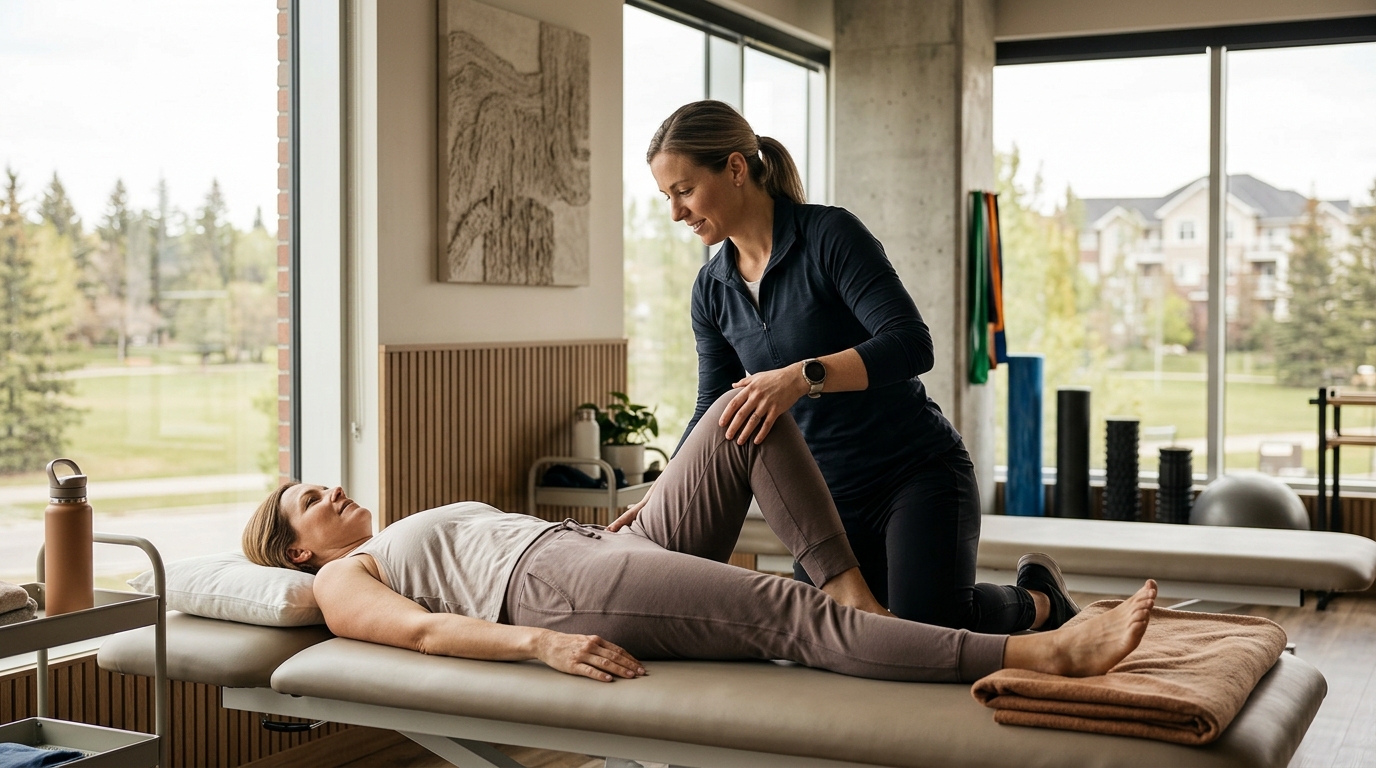
Joint stiffness directly impacts daily function for millions of adults worldwide. According to recent clinical data, approximately 42 percent of adults experience restricted range of motion due to sedentary lifestyles or repetitive strain. This physiological limitation often triggers compensatory movement patterns that accelerate tissue wear. Targeted physiotherapy interventions address these mechanical restrictions through structured manual therapy and progressive loading protocols. Patients consistently report measurable improvements in functional capacity after completing a standardized treatment course. Understanding the underlying mechanisms reveals why professional intervention outperforms self-directed stretching routines.
Understanding Mechanical Restrictions
Joint capsules consist of dense connective tissue that adapts to habitual movement patterns. When daily activities lack full range of motion, the fascial layers gradually shorten and lose elasticity. This adaptive tightening creates a physical barrier that restricts normal articulation. Physiotherapists identify these specific tissue restrictions through comprehensive orthopedic assessments. Corrective strategies focus on restoring optimal tissue length and sliding capacity. Joint mobilization is a controlled manual therapy technique that applies oscillatory forces to restricted articular surfaces. Restoring fascial elasticity remains the foundational step for lasting mobility gains.
Manual Therapy Protocols
Skilled hands-on techniques directly manipulate restricted joint surfaces and surrounding soft tissue. Joint mobilization applies controlled oscillatory forces to separate articular surfaces and reduce friction. Soft tissue mobilization targets adhesions that form along muscle bellies and tendon sheaths. These targeted interventions stimulate mechanoreceptors that signal the nervous system to relax protective muscle spasms. Patients typically experience immediate reductions in localized stiffness following these sessions. Targeted joint mobilization effectively reverses chronic capsular tightening. Manual therapy protocols deliver precise mechanical stress to broken-down tissue matrices.
Progressive Loading Strategies
Restoring mobility requires more than passive stretching or isolated stretching exercises. Controlled resistance training gradually increases the tensile strength of connective tissues. Progressive loading principles ensure that newly acquired range of motion translates into functional stability. Therapists design individualized exercise progressions that challenge joints through their full anatomical arc. This systematic approach prevents regression and reinforces neuromuscular control. Progressive loading is a structured exercise methodology that gradually increases tissue tensile strength. Controlled resistance training permanently upgrades tissue tolerance and movement efficiency.
Multi-Therapy Integration
Modern rehabilitation clinics utilize a team-based healthcare approach to address complex mobility deficits. Registered massage therapists release superficial fascial restrictions before deeper joint work begins. Osteopathic practitioners focus on visceral and cranial rhythms that influence systemic tissue tension. Active Release Technique and Graston Technique break down specific scar tissue formations along muscle fibers. Acupuncture and dry needling target trigger points that perpetuate chronic guarding patterns. This comprehensive framework ensures that every layer of the musculoskeletal system receives precise attention. Comprehensive framework maximizes treatment efficiency and accelerates recovery timelines.
Documented Clinical Outcomes
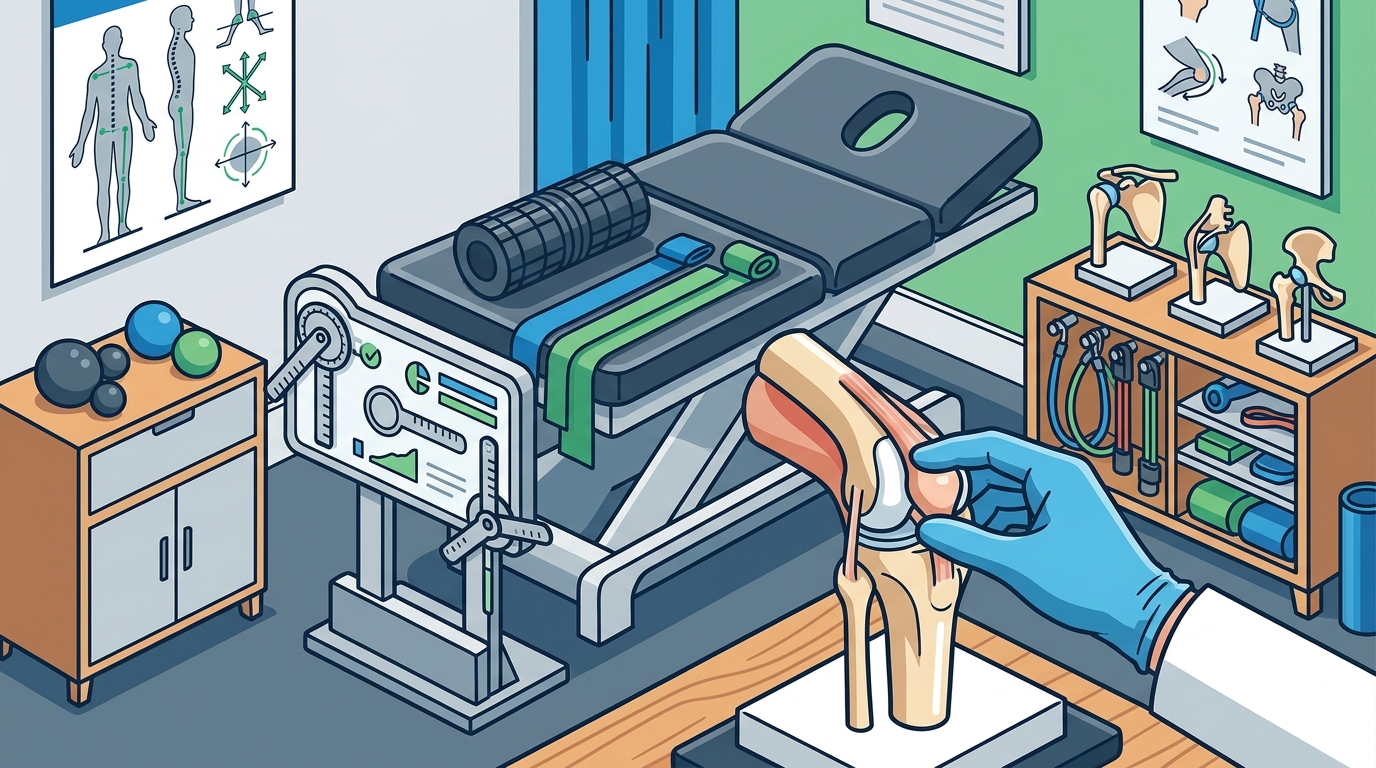
Longitudinal studies consistently demonstrate that structured physiotherapy programs yield superior functional outcomes. Patients following evidence-based protocols report significant reductions in pain scores and improved activity tolerance. Clinical tracking data shows that consistent attendance correlates directly with sustained mobility improvements. Insurance coverage and direct billing options remove financial barriers to consistent care. Consistent attendance directly correlates with sustained mobility improvements and long-term joint health. Evidence-based protocols guarantee measurable functional recovery across diverse patient demographics.
Key Takeaways
- Joint capsules adapt to habitual movement patterns, requiring targeted intervention to restore elasticity.
- Manual therapy techniques directly manipulate restricted surfaces and stimulate nervous system relaxation.
- Progressive loading protocols ensure newly acquired range translates into functional stability.
- Multi-therapy integration combines massage, osteopathy, and needling for comprehensive tissue release.
- Direct billing options significantly reduce out-of-pocket expenses for consistent treatment plans.
- Evening and weekend scheduling accommodates working professionals seeking reliable care.
- Team-based assessments guarantee precise diagnosis and customized treatment pathways.
Frequently Asked Questions
How many sessions are typically required to restore joint mobility?
Most patients achieve measurable improvements within six to eight weekly sessions. Treatment frequency adjusts based on tissue severity and individual healing capacity.
Does physiotherapy work for post-surgical joint stiffness?
Yes, structured rehabilitation protocols safely restore range of motion after orthopedic procedures. Therapists modify techniques to protect healing tissues while encouraging gradual adaptation.
Can manual therapy replace surgical intervention for restricted joints?
Non-surgical interventions successfully resolve many mechanical restrictions without invasive procedures. Severe structural damage may still require surgical consultation, but conservative care remains the first-line standard.
How does active release technique improve joint function?
Active Release Technique precisely targets scar tissue and adhesions along muscle fibers. This specialized method restores normal tissue glide and reduces localized pain signals.
What role does shockwave therapy play in mobility restoration?
Shockwave therapy delivers controlled acoustic energy to stimulate cellular repair mechanisms. This non-invasive modality accelerates tissue regeneration and reduces chronic inflammation.
Are evening appointments available for working professionals?
Flexible scheduling options include early morning, evening, and weekend availability. These extended hours ensure consistent care without disrupting daily work commitments.
Next Steps
Restoring optimal joint mobility requires professional assessment and a structured treatment plan. Our Calgary NW clinic offers comprehensive evaluations using a team-based healthcare approach. You can book your initial consultation directly through our online portal. Schedule your assessment today and experience the Complete style of therapy. Learn more about our philosophy or meet our clinical specialists. Read patient testimonials to understand our commitment to measurable outcomes. Explore our educational resources for ongoing wellness guidance.
| Therapy Modality | Primary Clinical Application | Expected Patient Outcome |
|---|---|---|
| Joint Mobilization | Restores capsular elasticity and reduces friction | Immediate range of motion gains |
| Active Release Technique | Breaks down localized scar tissue and adhesions | Restored muscle fiber glide |
| Shockwave Therapy | Stimulates cellular repair and reduces inflammation | Accelerated tissue regeneration |
| Dry Needling | Targets trigger points and chronic guarding patterns | Reduced localized pain signals |
| Graston Technique | Manipulates fascial restrictions and tendon sheaths | Enhanced soft tissue mobility |