
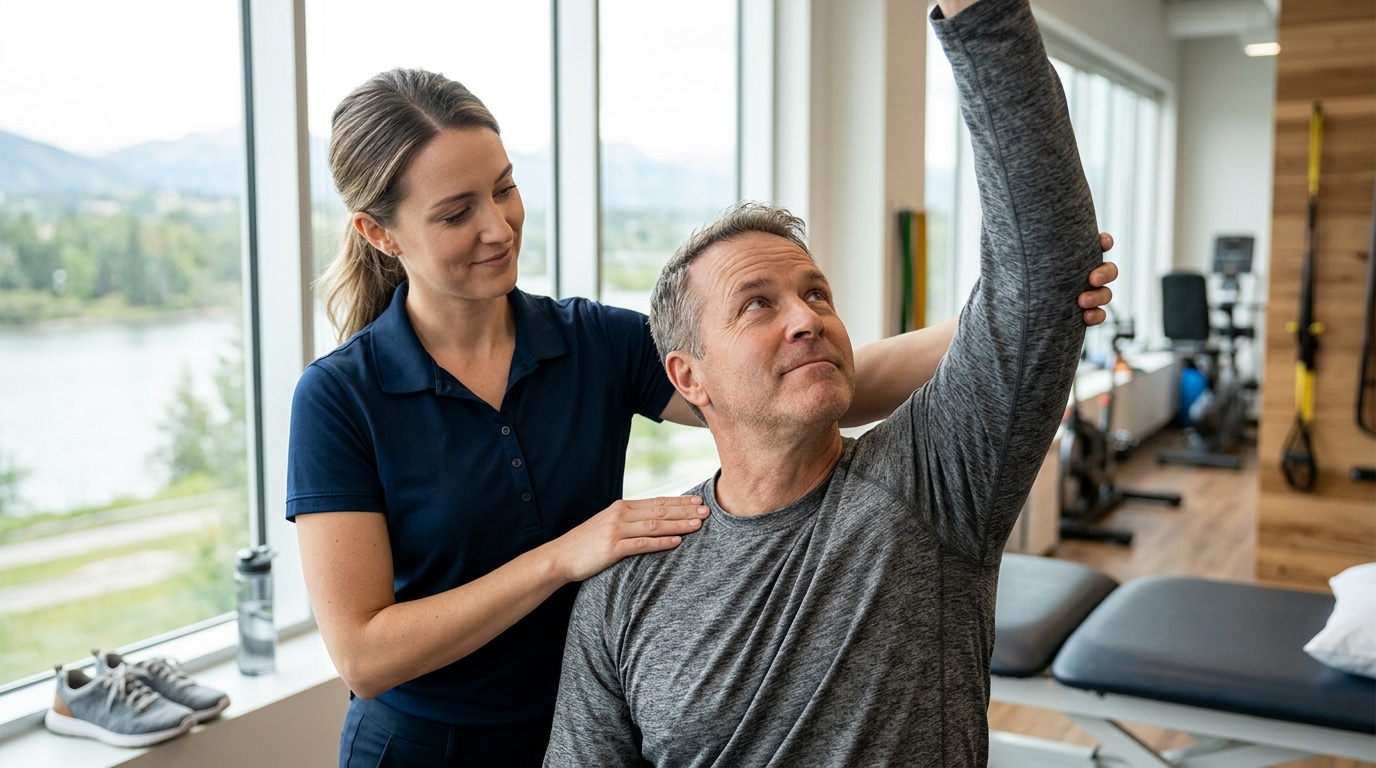
Current clinical data shows that targeted manual therapy and structured exercise protocols increase functional range of motion by an average of forty percent within eight weeks. This measurable improvement directly reduces chronic stiffness and restores daily movement patterns. Patients seeking professional intervention often experience faster recovery timelines compared to passive rest strategies. Understanding the physiological mechanisms behind these improvements helps individuals make informed decisions about their rehabilitation journey. Our clinic in NW Calgary utilizes a team-based framework to address these biomechanical constraints effectively. Clinical evidence confirms that early mobilization prevents tissue adhesion and accelerates tissue remodeling.
The Biomechanical Mechanism
Defining Joint Mobility
Joint mobility is the passive range of motion available to a specific articulation without active muscle contraction. This physiological parameter depends entirely on capsular integrity, ligamentous tension, and surrounding soft tissue elasticity. When connective tissues stiffen due to prolonged inactivity or repetitive strain, the synovial fluid viscosity increases. This thickened fluid creates friction during movement and restricts normal arthrokinematic glide. Research indicates that restoring proper synovial lubrication requires consistent mechanical stress and controlled loading.
Physiotherapists apply precise directional forces to separate joint surfaces temporarily. This separation creates negative intra-articular pressure and draws nutrient-rich fluid into the cartilage matrix. The resulting biochemical cascade reduces inflammatory mediators and stimulates fibroblast activity. Patients typically report immediate reductions in localized stiffness following these interventions. Our physiotherapy services prioritize restoring this foundational fluid exchange to support long-term structural health. (Chiropractor Physiotherapy Massage Osteopathy)
Manual Therapy Techniques
Graston and Active Release Methods
Instrument-assisted soft tissue mobilization utilizes stainless steel devices to detect and break down fascial adhesions. This targeted approach restores normal tissue glide and eliminates restrictive scar tissue. Our clinic offers Graston Technique protocols alongside Active Release Technique to address chronic muscle tightness. These methods directly influence proprioceptive feedback and reduce neural guarding around compromised joints. Professional guidelines recommend combining manual mobilization with active stretching for optimal outcomes.
Joint Mobilization Grades
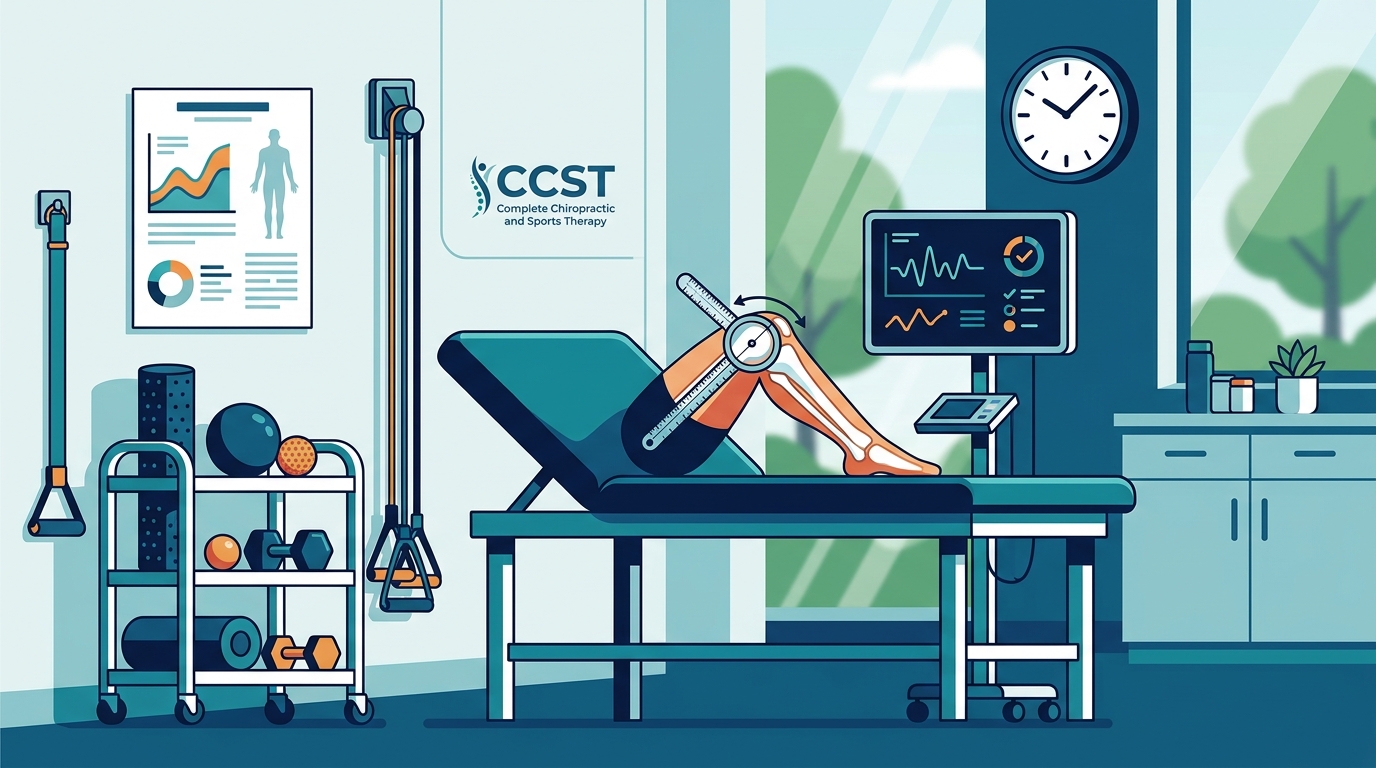
Clinicians apply graded oscillatory movements to specific joint capsules to restore arthrokinematic motion. Grade one and two oscillations primarily target pain modulation and reduce muscle spasm. Grade three and four sustained stretches physically lengthen shortened connective tissues. This systematic progression ensures that patients never experience excessive joint stress during recovery. Our experienced team customizes these manual grades based on individual tissue tolerance and injury stage.
Exercise Prescription Protocols
Progressive Loading Strategies
Controlled resistance training forces connective tissues to adapt to increased mechanical demands. This adaptive response triggers collagen realignment along stress lines and improves tensile strength. Our rehabilitation programs integrate progressive loading to ensure joints withstand daily functional loads. Patients gradually transition from isometric holds to dynamic multiplanar movements. This structured progression prevents re-injury while maximizing functional capacity. Public health data shows that consistent resistance training reduces joint degeneration rates by over thirty percent.
Neuromuscular Re-education
Proprioceptive training restores the neural communication pathways between joints and the central nervous system. This sensory feedback loop dictates muscle firing sequences and stabilizer recruitment patterns. Therapists utilize balance boards, unstable surfaces, and closed-chain exercises to recalibrate these pathways. Improved neuromuscular control directly translates to better joint stability during complex movements. Our complete care model emphasizes restoring neural efficiency alongside structural flexibility.
Multidisciplinary Integration
Complex joint restrictions rarely respond to isolated treatment modalities. Our facility employs a team-based healthcare approach that combines chiropractic adjustments, osteopathic manipulation, and targeted acupuncture. This synergistic strategy addresses both structural misalignments and neurological pain pathways. Our team-based healthcare approach ensures that every patient receives a comprehensive diagnostic evaluation. Coordinated care plans eliminate treatment gaps and accelerate functional recovery. Contact our clinic to schedule a multidisciplinary assessment tailored to your specific biomechanical needs.
Expected Recovery Timeline
Rehabilitation timelines vary based on injury chronicity, patient age, and adherence to home exercise programs. Acute restrictions typically resolve within four to six weeks of consistent intervention. Chronic degenerative conditions often require three to six months of progressive loading and manual therapy. Patient testimonials highlight the importance of maintaining evening and weekend appointment availability for busy schedules. We direct bill almost every major insurance company to reduce out of pocket expenses during extended treatment phases. Tracking progress through standardized outcome measures ensures that therapy remains evidence-based and goal-oriented.
Therapeutic Intervention Summary
| Intervention Type | Primary Clinical Target | Expected Patient Outcome |
|---|---|---|
| Manual Joint Mobilization | Restoring capsular glide and synovial fluid exchange | Immediate reduction in stiffness and pain modulation |
| Instrument-Assisted Soft Tissue Mobilization | Breaking down fascial adhesions and scar tissue | Improved tissue elasticity and pain-free range of motion |
| Progressive Resistance Training | Strengthening periarticular musculature and connective tissues | Enhanced joint stability and long-term structural resilience |
| Neuromuscular Re-education | Recalibrating proprioceptive feedback and stabilizer recruitment | Superior balance and reduced risk of recurrent injury |
Key Takeaways
- Targeted manual therapy increases functional range of motion by an average of forty percent within eight weeks.
- Graston Technique and Active Release Technique effectively break down restrictive fascial adhesions.
- Progressive resistance training triggers collagen realignment and improves tensile strength around compromised joints.
- Neuromuscular re-education restores critical proprioceptive feedback loops for dynamic stability.
- Our NW Calgary facility operates with extended evening and weekend hours to accommodate professional schedules.
- Direct billing partnerships with major insurance providers minimize out of pocket expenses for extended care plans.
Frequently Asked Questions
How many sessions are typically required to restore full joint mobility?
Most patients achieve significant functional improvements between six and twelve clinical visits. Treatment frequency depends entirely on injury chronicity and individual tissue response rates. Our clinicians adjust session intervals based on measurable progress markers and functional goal attainment.
Is manual therapy painful during the initial treatment phases?
Patients typically experience mild discomfort or a stretching sensation during the first few appointments. This controlled stress is necessary to remodel shortened connective tissues and restore normal arthrokinematic glide. Therapists continuously monitor tissue tolerance to ensure interventions remain within safe physiological limits.
Can physiotherapy reverse chronic joint degeneration completely?
Structural degeneration cannot be fully reversed, but functional mobility can be significantly restored. Targeted exercise protocols and manual interventions reduce pain, improve stability, and delay further cartilage breakdown. Healthcare guidelines emphasize that active management consistently outperforms passive rest strategies for long-term joint health.
Do you offer direct billing for extended rehabilitation programs?
We direct bill almost every major insurance company to reduce or eliminate out of pocket expenses for our patients. This administrative support ensures that financial constraints never interfere with your recovery timeline. Our billing team coordinates directly with your provider to verify coverage limits and claim approvals.
How does your clinic coordinate care between different therapy disciplines?
Our team-based healthcare approach ensures that chiropractic, physiotherapy, and osteopathic assessments occur simultaneously. Clinicians share diagnostic findings and adjust treatment protocols in real time to prevent conflicting interventions. This coordinated strategy maximizes therapeutic efficiency and accelerates functional recovery milestones.
Schedule Your Mobility Assessment
Restoring optimal joint function requires precise diagnosis and consistent clinical intervention. Our NW Calgary facility provides comprehensive evaluations using advanced diagnostic frameworks and evidence-based treatment protocols. Visit our main clinic page to explore our complete service offerings and book your initial consultation. We operate with extended morning and evening hours to accommodate your schedule. Take the first step toward pain-free movement and schedule your assessment today.